




The Saudi Arabian economy stands at a critical juncture, poised for a year of significant transformation. Recent insights from the International Monetary Fund (IMF) highlight السعودية (Saudi Arabia) as being well-prepared to navigate a challenging global landscape characterized by fluctuating oil prices and increasing financial demands. This assessment, delivered by Amin Matty and Yuan Rollinson, key officials from the IMF’s Middle East and Central Asia Department, underscores the success of ongoing economic reforms and positions the Kingdom for sustained growth. The year ahead will be pivotal in solidifying these gains and accelerating the diversification efforts central to Vision 2030.
عام محوري للسعودية: تقييم صندوق النقد الدولي (A Pivotal Year for Saudi Arabia: IMF Assessment)
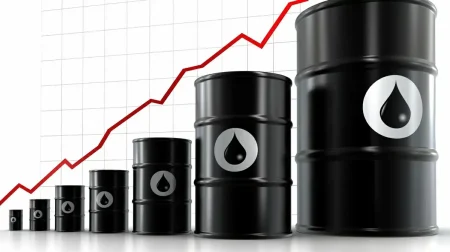
The IMF officials emphasized that 2024 will be a crucial year for Saudi Arabia, not as a point of vulnerability, but as a demonstration of the Kingdom’s increasing resilience. This newfound strength stems from substantial progress in reducing the economy’s reliance on oil revenue. While oil price volatility remains a concern, the non-oil sector has demonstrated remarkable momentum, indicating a successful shift in economic drivers. This is particularly important given the global economic uncertainties and potential for further disruptions in energy markets.
تعزيز الاقتصاد غير النفطي (Strengthening the Non-Oil Economy)
The growth of the non-oil sector is a direct result of the ambitious reforms outlined in Vision 2030. These reforms have focused on improving the business environment, attracting foreign investment, and developing key industries such as tourism, technology, and manufacturing. The narrowing gap between Saudi Arabia and other emerging markets in terms of economic diversification is a testament to the effectiveness of these initiatives. Furthermore, the Kingdom’s business regulations and practices are now increasingly comparable to those found in more developed economies, fostering a more competitive and attractive investment climate.
تحول استراتيجي في أولويات الإنفاق (Strategic Shift in Spending Priorities)
Saudi Arabia is proactively adjusting its spending priorities to align with its long-term economic goals. While large-scale infrastructure projects remain important, there’s a growing emphasis on investing in future-oriented sectors like artificial intelligence (AI) and advanced technologies. This strategic reallocation of resources is designed to accelerate innovation, enhance productivity, and create high-skilled jobs. This move towards التنويع الاقتصادي (economic diversification) is crucial for ensuring sustainable growth and reducing vulnerability to oil price shocks.
الاستثمار في الذكاء الاصطناعي والتكنولوجيا المتقدمة (Investing in AI and Advanced Technologies)
The Kingdom recognizes the transformative potential of AI and advanced technologies. Investments in these areas are expected to drive growth across various sectors, from healthcare and education to finance and transportation. This focus isn’t merely about adopting new technologies; it’s about building a domestic ecosystem that fosters innovation and allows Saudi Arabia to become a leader in these fields. This will require significant investment in education and training to develop a workforce capable of utilizing and advancing these technologies.
نمو الائتمان والاستدامة المالية (Credit Growth and Fiscal Sustainability)
The IMF officials noted that Saudi Arabia is entering this period of potential economic headwinds from a position of financial strength. The country maintains a relatively low level of public debt as a percentage of GDP, and its foreign asset reserves remain substantial. This provides a buffer against external shocks and allows the government to continue investing in key areas. However, they cautioned that maintaining fiscal discipline and basing spending decisions on a consistent, multi-year framework is vital for long-term الاستدامة المالية (fiscal sustainability).
الرقابة المالية القوية (Strong Financial Oversight)
To support healthy credit growth, particularly as banks increasingly rely on short-term external financing, the IMF stressed the importance of robust financial sector oversight. The Saudi Central Bank (SAMA) plays a critical role in monitoring emerging risks and ensuring the stability of the financial system. Continued vigilance and proactive risk management are essential to prevent potential vulnerabilities and maintain investor confidence. This includes strengthening regulatory frameworks and enhancing supervision of financial institutions.
دور القطاع الخاص والعمالة الماهرة (The Role of the Private Sector and Skilled Labor)
Sustaining the current growth trajectory will increasingly depend on the dynamism of the private sector and the availability of a skilled workforce. The IMF highlighted the significant increase in job creation within the private sector and the record-low unemployment rates as positive developments. However, further efforts are needed to close the remaining gaps compared to advanced economies and ensure that the transformation remains on track.
The Public Investment Fund (PIF) can play a crucial catalytic role by encouraging new projects and partnerships, creating opportunities for both local and international private sector investors. This requires fostering a business-friendly environment that attracts investment and supports entrepreneurship. Investing in education and training programs to develop a skilled workforce is also paramount. The future success of السعودية (Saudi Arabia) hinges on its ability to cultivate a thriving private sector and equip its citizens with the skills needed to compete in the global economy.
In conclusion, the IMF’s assessment paints a positive picture of Saudi Arabia’s economic outlook. While challenges remain, the Kingdom is well-positioned to navigate them thanks to its proactive reforms, strong financial fundamentals, and strategic investments. The year 2024 is indeed a pivotal one, offering a crucial opportunity to solidify these gains and accelerate the journey towards a diversified, sustainable, and globally competitive economy. Staying informed about these developments is vital for investors, policymakers, and anyone interested in the future of the Saudi Arabian economy.