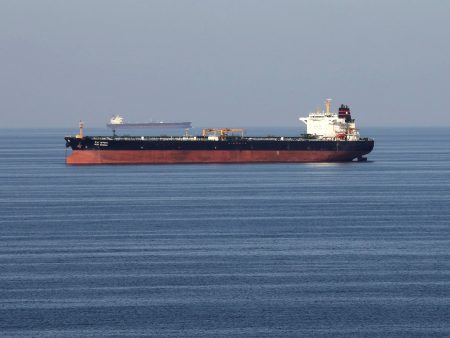





The economic repercussions of the United States’ blockade of Venezuelan oil tankers in the Caribbean Sea extend far beyond Venezuela, significantly impacting Cuba, an island nation heavily reliant on consistent support from Caracas for years. This situation is exacerbating an already dire economic crisis in Cuba, threatening widespread hardship and potentially triggering further instability. The core of the issue revolves around Cuban economy and its dependence on Venezuelan oil, a lifeline now severely constricted.
تداعيات الحصار الأمريكي على ناقلات النفط الفنزويلية وتأثيرها على كوبا (Repercussions of the US Blockade on Venezuelan Oil Tankers and its Impact on Cuba)
Cuba is currently grappling with one of its most severe economic downturns since Fidel Castro assumed power in 1959. This crisis, according to reports in the Wall Street Journal, is even more challenging than the one experienced after the collapse of the Soviet Union in 1991, a period when Havana also lost a crucial source of support. The tightening of US sanctions on Venezuela, specifically the interception of oil tankers, is a major contributing factor to this escalating crisis.
The Wall Street Journal reports that Cuba’s economy has already contracted by 15% since 2018, and the pressure is mounting as a key ally, Venezuelan President Nicolás Maduro, faces increased restrictions. This isn’t simply a matter of trade; it’s a complex relationship built on mutual support and ideological alignment.
أهمية النفط الفنزويلي للاقتصاد الكوبي (The Importance of Venezuelan Oil to the Cuban Economy)
Venezuelan crude oil covers approximately 40% of Cuba’s imported oil needs, a critical resource for power generation and the transportation sector. This preferential arrangement, dating back to 1999 when Hugo Chávez emphasized the “sea of happiness” connecting the two nations, provided Cuba with around 100,000 barrels of subsidized oil daily.
However, the volume of subsidized oil reaching Havana has drastically decreased to 30,000 barrels per day due to the US seizure of Venezuelan tankers. Further escalation of the blockade could halt these shipments entirely. George Piñon, a Cuban exile and oil researcher at the University of Texas, warns that a complete cessation of subsidized oil exports to Cuba “will undoubtedly lead to the collapse of the Cuban economy.”
Furthermore, Financial Times cited Schainer Parker, Head of Emerging Markets at Rystad Energy, suggesting that the continued US blockade could completely halt Venezuelan oil exports. Venezuela currently exports around 900,000 barrels per day, with 80% destined for China, representing a vital source of revenue for the country.
أزمة اقتصادية شاملة في كوبا (A Comprehensive Economic Crisis in Cuba)
The threat to Cuban oil supplies comes at a particularly vulnerable time. Economic indicators paint a grim picture:
- Economic Contraction: Cuba’s economy has shrunk by 15% since 2018.
- Hyperinflation: Total inflation since the start of the Cuban economic crisis has reached approximately 450%.
- Currency Devaluation: The Cuban Peso has plummeted, trading at around 450 pesos per US dollar on the black market, compared to approximately 30 pesos per dollar in 2020.
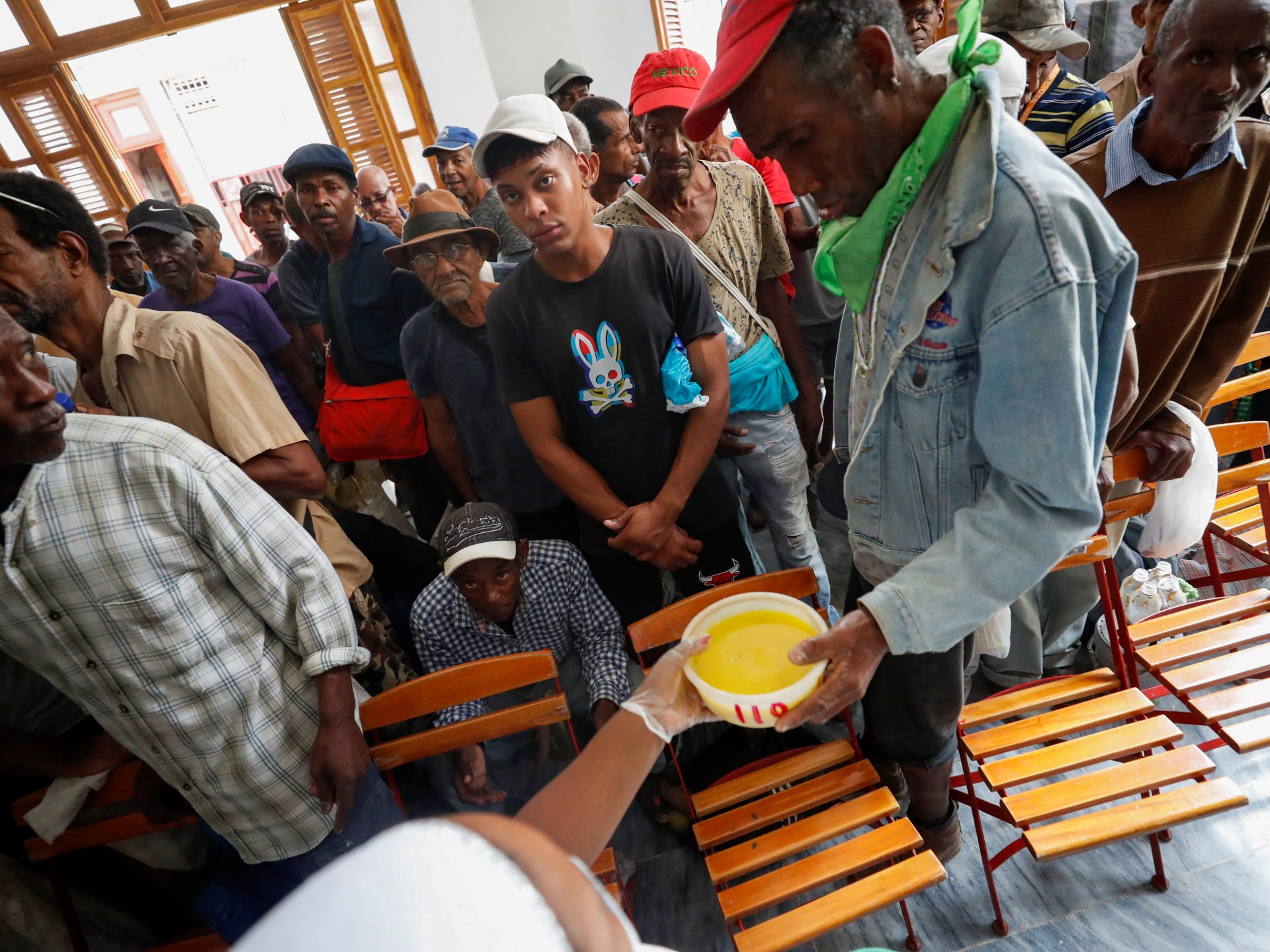
- Rising Poverty: Nearly 90% of Cuban citizens are living in extreme poverty, according to a survey by the Social Rights Observatory.
Ricardo Torres Pérez, a Cuban economist at American University in Washington, stated that if the decline in Venezuelan oil shipments continues for weeks or months, “the situation will be unsustainable.” The Bank of International Settlements estimates that Cuba’s GDP contracted by 1.1% in 2024, down from approximately $107 billion annually in 2020. While the bank lacks recent data on key indicators like inflation and foreign direct investment, the overall trend is undeniably negative. The economic hardship is driving a mass exodus from the island.
الهجرة وتأثيرها على كوبا (Migration and its Impact on Cuba)
Approximately 2.7 million people – nearly a quarter of Cuba’s population – have left the country since 2020, with hundreds of thousands seeking a better life in the United States. This demographic shift, as calculated by Cuban demographer Juan Carlos Albizu, is draining Cuba of its skilled workforce and contributing to the overall economic decline.
The Social Rights Observatory’s survey also revealed that over 70% of Cubans are primarily concerned about food shortages and frequent power outages, which can last for 18 hours or more per day in some areas. This widespread lack of basic necessities is fueling social unrest and further exacerbating the Cuban crisis.
مستقبل العلاقات الفنزويلية الكوبية (The Future of Venezuelan-Cuban Relations)
The historical relationship between Cuba and Venezuela has been one of reciprocal support. Cuba provided Venezuela with doctors, sports trainers, and intelligence agents to help bolster the Chávez regime. This support continues with the Maduro government, with Maduro himself having received socialist training in Havana during his youth. However, the current situation threatens to unravel this long-standing alliance.
The future of the Cuban economy is inextricably linked to the fate of Venezuelan oil exports. Without a reliable supply of subsidized oil, Cuba faces a potentially catastrophic economic collapse, leading to increased poverty, social unrest, and further emigration. The situation demands careful monitoring and a potential re-evaluation of US policy towards both Venezuela and Cuba to mitigate the humanitarian consequences.
This article aims to provide a comprehensive overview of the situation, highlighting the critical link between Venezuelan oil and the Cuban economy. Further research and analysis are needed to fully understand the long-term implications of the US blockade and the potential for alternative solutions.