


The situation in Gaza continues to deteriorate, placing immense strain on an already overwhelmed healthcare system. The recent statement by the World Health Organization (WHO) Director-General, Tedros Adhanom Ghebreyesus, highlighting the urgent need for medical evacuation for over 18,500 patients underscores the severity of the crisis. This article will delve into the details of this critical situation, the ongoing challenges, and the international efforts to provide aid, focusing on the vital need for إجلاء طبي عاجل (urgent medical evacuation) for the wounded and sick.
الوضع الصحي المأساوي في غزة والحاجة الماسة للإجلاء الطبي
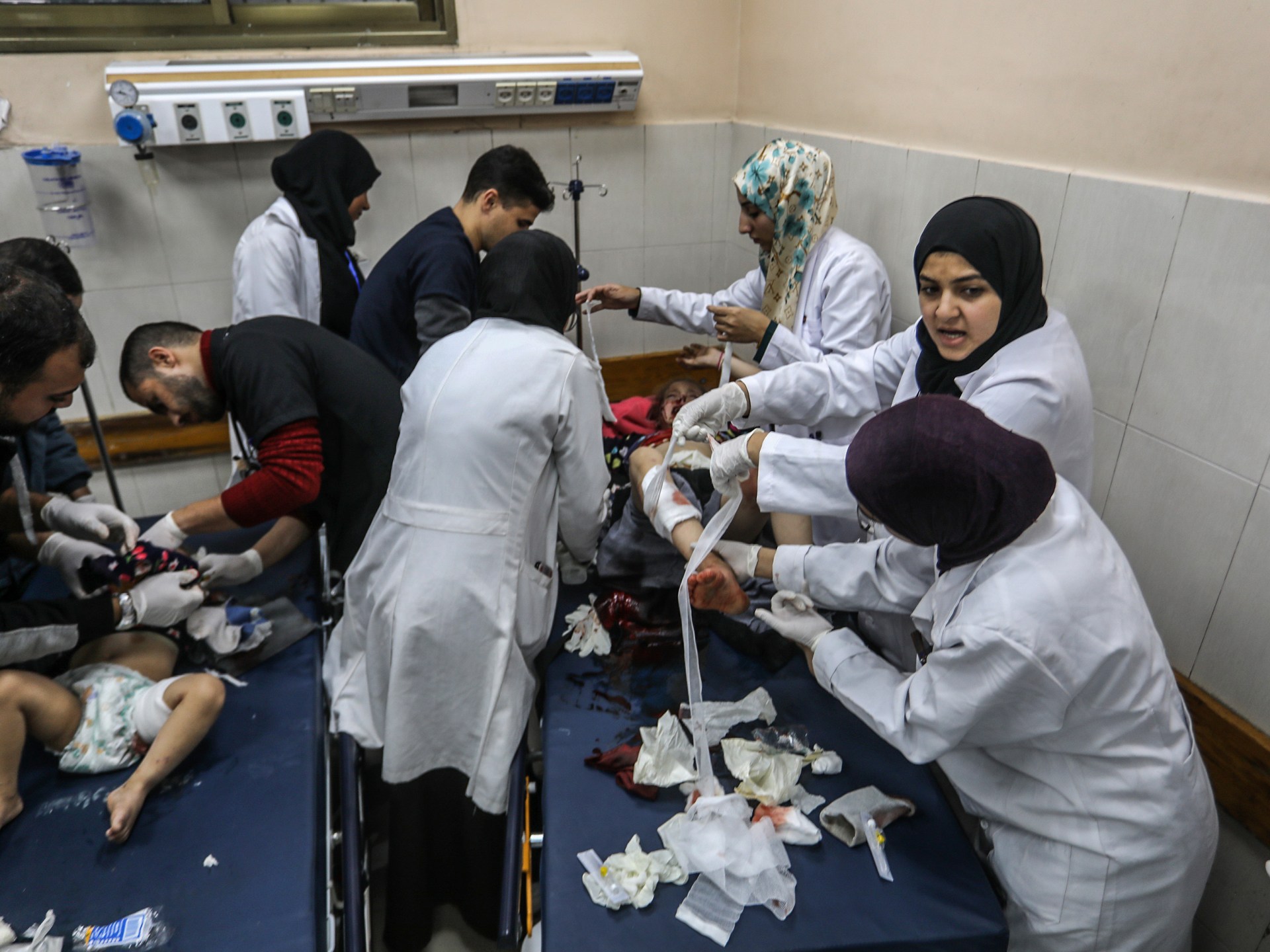
The health crisis in the Gaza Strip has reached catastrophic levels following the ongoing conflict. The WHO reports that the healthcare infrastructure has been severely damaged, with many hospitals either partially functioning or completely out of service. This has created a desperate shortage of medical supplies, beds, and qualified personnel, making even basic treatment incredibly difficult to access. The sheer number of casualties – over 71,000 killed and 171,000 injured – has overwhelmed the remaining facilities.
The lack of access to essential medicines, including those for chronic diseases, is exacerbating the suffering. Furthermore, the restrictions on the entry of humanitarian aid, including food, water, and shelter, are contributing to a widespread decline in overall health and increasing the vulnerability of the population to disease outbreaks. This complex interplay of factors makes إجلاء طبي عاجل not just a medical necessity, but a humanitarian imperative.
جهود منظمة الصحة العالمية والدول في دعم الإجلاء الطبي
Despite the immense challenges, the World Health Organization and numerous countries are working tirelessly to facilitate the medical evacuation of patients from Gaza. Last week alone, the WHO supported the transfer of 18 patients and 36 accompanying individuals to Jordan for specialized care, treating injuries, cancer, and other life-threatening conditions.
This effort builds on previous initiatives, with over 10,700 patients having been evacuated to more than 30 countries since October 2023. Jordan, in particular, has been lauded for its consistent solidarity and willingness to receive those in need of medical attention. However, the scale of the crisis far exceeds current capacity. The WHO is urgently calling on more nations to open their borders to Gazan patients and to resume medical evacuations to the West Bank, including East Jerusalem. The need for الإجلاء الطبي is growing exponentially with each passing day.
تحديات تعيق عمليات الإجلاء الطبي
Several significant obstacles hinder the effective implementation of medical evacuation plans. The ongoing breaches of the ceasefire, with reports of 442 Palestinians killed and 1236 injured since its inception, create a volatile and dangerous environment for transporting patients. Security concerns frequently delay or cancel planned evacuations.
Additionally, bureaucratic hurdles and logistical difficulties, including limited access to border crossings and the need for complex coordination between various parties, contribute to the slowdown. The restrictions imposed by Israel on the entry of essential medical supplies and personnel further complicate the situation, making it harder to stabilize patients before they can be moved. Addressing these challenges is crucial to ensuring that الإجلاء الطبي reaches those who need it most.
الوضع الإنساني العام وتأثيره على الاحتياجات الطبية
The overall humanitarian situation in Gaza is dire. With approximately 2.4 million Palestinians living in increasingly desperate conditions, the demand for medical care is overwhelming. The lack of adequate food, water, and sanitation facilities is leading to a rise in infectious diseases, placing an additional burden on the already strained healthcare system.
The psychological impact of the conflict is also significant, with widespread trauma and mental health needs. Children are particularly vulnerable, with over 4,000 among the patients requiring إجلاء طبي عاجل. The long-term consequences of this crisis will be profound, requiring sustained international support to rebuild the healthcare infrastructure and address the ongoing health needs of the population. The situation demands a comprehensive approach that goes beyond immediate medical interventions and tackles the root causes of the crisis.
دعوة للعمل: تلبية الاحتياجات الطبية العاجلة في غزة
The WHO’s call for increased international support for medical evacuations is a critical step in alleviating the suffering in Gaza. However, it is not enough. A sustained and coordinated effort is needed to address the broader humanitarian crisis and to ensure that all Gazans have access to the medical care they deserve.
This includes advocating for the full and unimpeded access of humanitarian aid, supporting the rebuilding of the healthcare infrastructure, and providing long-term mental health and psychosocial support. The international community must prioritize the needs of the Palestinian people and work towards a just and lasting resolution to the conflict. The urgency of الإجلاء الطبي is a stark reminder of the human cost of this crisis and the moral obligation to act. We must all contribute to easing the suffering and restoring hope to the people of Gaza.
Secondary Keywords Used:
- الوضع الصحي (health situation)
- المواد الغذائية والأدوية (food and medicine)
- الرعاية الطبية (medical care)