







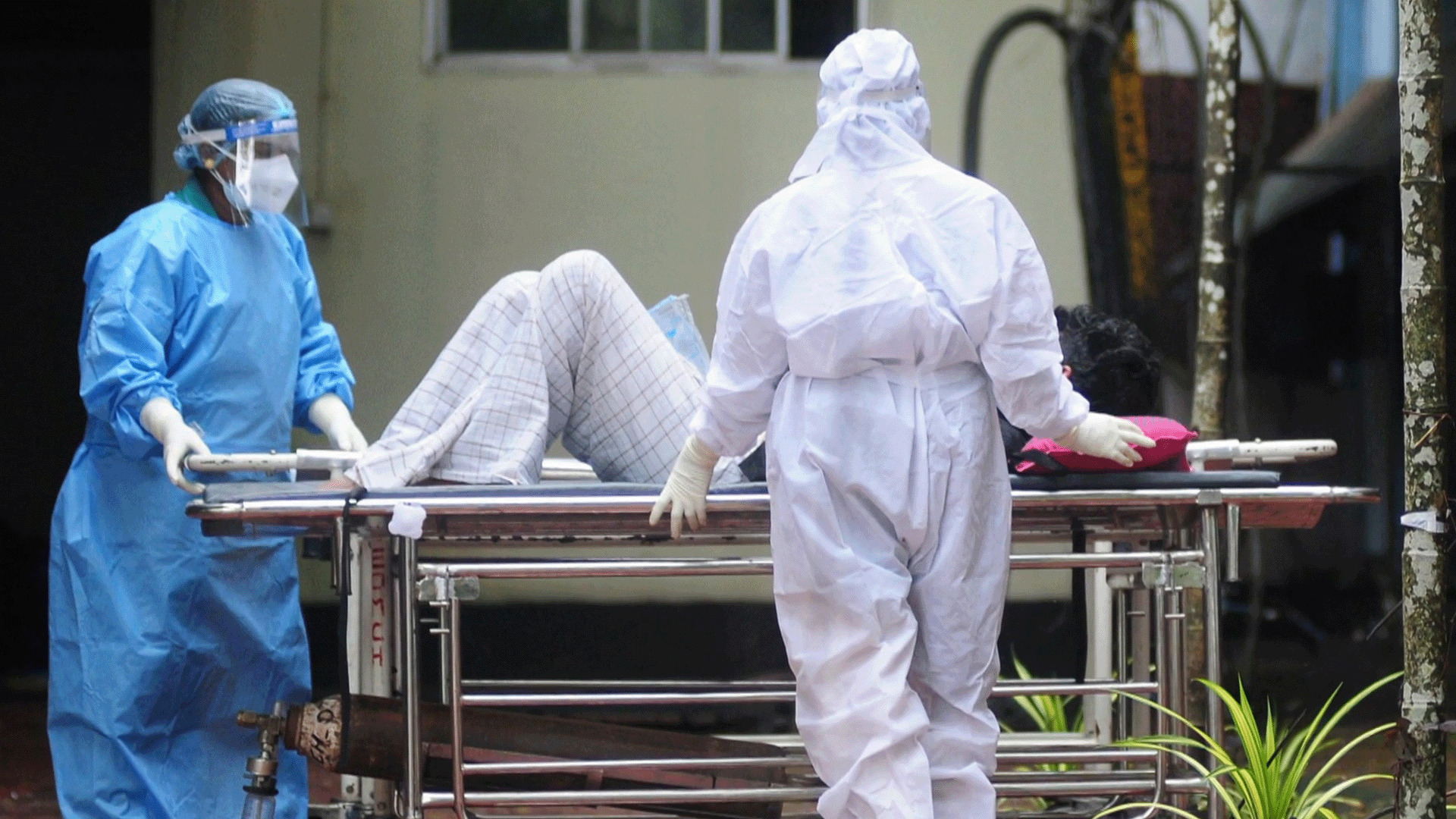
The emergence of a new strain of the Nipah virus, as reported in India, has sparked fear and renewed conversations about global health security. The recent outbreak in West Bengal, affecting healthcare workers and prompting quarantine measures, highlights the potent threat this virus poses. This article will delve into the details of the فيروس نيباه (Nipah virus), its dangers, how it spreads, and the reactions and concerns it’s generating, particularly in the Arab world, as seen through social media interactions.
ما هو فيروس نيباه؟ (What is the Nipah Virus?)
فيروس نيباه (Nipah virus) is a zoonotic virus, meaning it originates in animals and then spreads to humans. It’s classified as a Biosafety Level 4 virus – the highest level of containment – reflecting its high mortality rate and lack of specific treatments. First identified in Malaysia and Singapore in 1998 during an outbreak among pig farmers, the virus has since surfaced in Bangladesh, India, and the Philippines, largely linked to fruit bat populations. This recent outbreak in West Bengal is particularly concerning due to the infections among medical staff, suggesting a potential for wider, faster transmission.
The virus belongs to the Henipavirus family, known for their ability to cause severe respiratory and neurological illness. Its name derives from the village of Sungai Nipah in Malaysia where it was first isolated.
طرق انتقال فيروس نيباه (How Nipah Virus Spreads)
The primary source of the فيروس نيباه is believed to be fruit bats (specifically Pteropus species), considered the natural reservoir. Transmission to humans happens through several pathways.
Transmission Routes:
- Animal-to-Human: Direct contact with infected animals, such as pigs, bats, or other livestock, or by consuming contaminated animal products.
- Human-to-Human: This occurs through close contact with the bodily fluids (like respiratory droplets, blood, urine) of an infected person. While not as easily spread as airborne viruses, its proximity-based transmission within healthcare settings is a major worry.
- Contaminated Food: Drinking raw date palm sap contaminated by fruit bat excretions is a significant transmission route in some regions, like Bangladesh.
The virus possesses a relatively long incubation period, ranging from 4 to 45 days. This makes containment incredibly challenging as individuals can be infected and contagious without showing any symptoms.
خطورة فيروس نيباه (The Danger of the Nipah Virus)
The most frightening aspect of فيروس نيباه is its exceptionally high death rate. It’s estimated to range from 40% to 75%, varying based on the outbreak and the quality of healthcare available. The disease progresses rapidly, often leading to severe consequences.
Symptoms and Complications:
Initial symptoms resemble the flu – fever, headache, muscle pain, and fatigue. However, these quickly escalate into more serious neurological issues, including:
- Encephalitis (Inflammation of the Brain): This is the most frequent and severe complication, leading to seizures, coma, and permanent neurological damage.
- Respiratory Distress: The virus can cause acute respiratory syndrome, requiring intensive care and ventilation.
- Neurological Damage: Even in patients who survive, lasting neurological impairments are common.
Currently, there is no specific vaccine or antiviral treatment for Nipah virus infection. Treatment primarily focuses on managing symptoms, providing supportive care (like intensive care and ventilation), and preventing secondary infections. This lack of targeted therapy makes the virus a major public health threat. Controlling outbreaks relies heavily on rapid identification, isolation, and contact tracing. الأمراض المستجدة (Emerging diseases) like Nipah pose significant challenges to global healthcare systems.
ردود الفعل العربية ومخاوف الجائحات (Arab Reactions and Pandemic Concerns)
The news of the Nipah outbreak in India has resonated across the Arab world, eliciting concerns about potential spread and triggering comparisons to the COVID-19 pandemic. Social media platforms have become a space for discussion, ranging from alarm and anxiety to skepticism and calls for caution.
As reported by the “Networks” program on January 26, 2026, several prominent figures voiced their opinions. Activist Talal highlighted the international classification of فيروس نيباه as a global threat, tweeting about its potential to evolve and its lack of a cure.
Blogger Saleh expressed a sense of weary familiarity, remarking, “Do you think we’ll see days like with Corona again, with curfews and people stuck at home, and no one going out?” This sentiment reflects the lingering trauma and disruption caused by the COVID-19 pandemic.
Interestingly, blogger Fatima offered a humorous defense of the often-blamed fruit bat, writing, “Is this bat always accused? It’s just a harmless fruit eater and doesn’t bother anyone!”
Other reactions showed some cynicism, with activist Abu Sultan suggesting a tendency toward overblown virus warnings, stating, “In the end, they’ll discover the cure is half an orange and two extra Panadol… after the coronavirus, we don’t trust these virus scares anymore.”
Finally, blogger Hana stressed the importance of preventative measures for travelers arriving from affected areas, saying, “May God protect us and keep us safe. They need to take precautions with travelers coming from India to prevent it from spreading further.” This underscores a globally shared need for robust travel protocols when facing emerging infectious diseases. السفر الآمن (Safe travel) is a key consideration during these times.
الخلاصة والاحتياطات (Conclusion & Precautions)
The recent emergence of فيروس نيباه (Nipah virus) in India serves as a stark reminder of the constant threat posed by zoonotic diseases. Its high mortality rate and lack of specific treatment demand vigilance and preparedness. The concerns expressed across the Arab world demonstrate a collective awareness of the potential for global health crises.
In light of these developments, it’s crucial to:
- Stay informed about the outbreak through reliable sources like the World Health Organization (WHO) and local health authorities.
- Practice good hygiene, including frequent handwashing.
- Avoid close contact with potentially infected animals or individuals.
- Pay attention to travel advisories and implement necessary precautions.
Continued investment in disease surveillance, research, and public health infrastructure is essential to effectively prevent and respond to future pandemics.