





Understanding Mallory-Weiss Syndrome: Causes, Symptoms & Treatment
Mallory-Weiss syndrome, a condition often overlooked despite its potential seriousness, involves tears in the esophageal lining. This article will delve into the details of متلازمة مالوري-وايس (Mallory-Weiss Syndrome), its causes, how it manifests, and the available treatment options, aiming to provide a comprehensive understanding for those potentially affected or seeking information. Recognizing the symptoms and seeking prompt medical attention are crucial for managing this condition effectively.
What is Mallory-Weiss Syndrome?
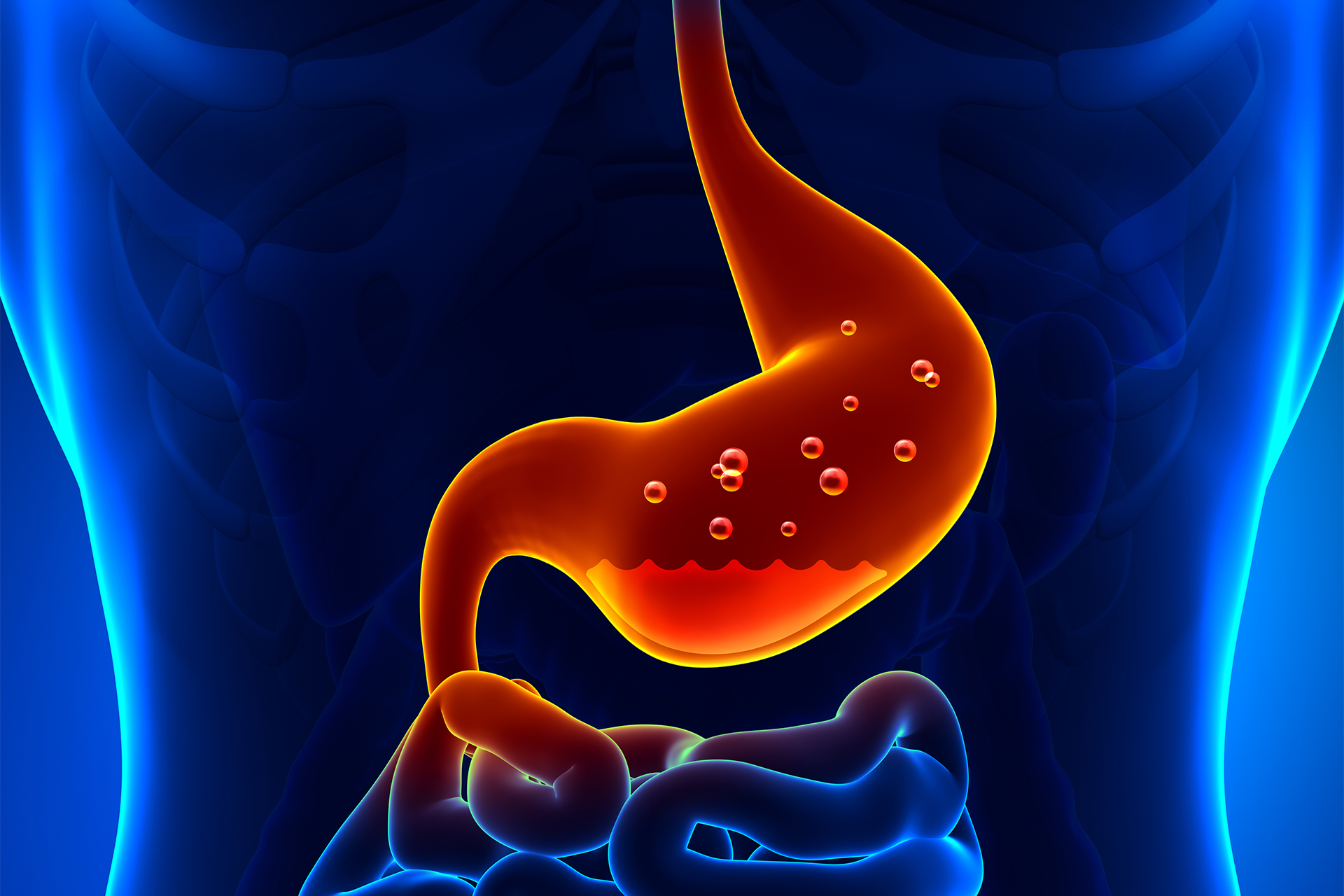
The German Society for Digestive and Metabolic Diseases defines متلازمة مالوري-وايس as a medical condition characterized by longitudinal tears in the mucosa – the inner lining – of the esophagus. Typically, these tears range from 2 to 4 centimeters in length and occur where the esophagus connects to the stomach. These tears don’t usually penetrate deeply into the esophageal wall, and thankfully, it doesn’t generally cause long-term complications.
The syndrome is named after Kenneth Mallory and Soma Weiss, the doctors who first described it in 1950. It’s important to understand that while often benign and self-limiting, متلازمة مالوري-وايس can sometimes lead to significant, even life-threatening, complications, making diagnosis and management vital.
Causes and Risk Factors of Esophageal Tears
The primary catalyst for متلازمة مالوري-وايس is forceful or repeated vomiting. This can be triggered by several factors:
- Alcohol Abuse: Heavy alcohol consumption is a significant contributor, often linked to episodes of violent vomiting.
- Gastroenteritis (“Stomach Flu”): Intense vomiting due to inflammation of the stomach and intestines can cause these tears.
- Severe Coughing: Prolonged and vigorous coughing can increase pressure in the esophagus.
- Straining During Bowel Movements: Although less common, forceful straining can also contribute.
- Hiatal Hernia: This condition, where part of the stomach protrudes into the chest, can slightly increase the risk.
- Bulimia Nervosa: The cycle of binge eating and induced vomiting associated with bulimia is a recognized risk factor.
Essentially, any activity that causes a sudden increase in pressure within the esophagus can potentially create these tears.
Recognizing the Symptoms: What to Watch Out For
The most common symptoms associated with متلازمة مالوري-وايس are readily identifiable:
- Vomiting Blood (Hematemesis): This is the hallmark symptom, ranging from bright red blood to “coffee grounds” appearance, indicating partially digested blood.
- Upper Abdominal Pain: A sharp or burning pain in the upper abdomen, often exacerbated by swallowing, is frequently reported.
- Black, Tarry Stools (Melena): If blood is present in the digestive system and processed, it can cause dark, sticky stools.
- Lightheadedness or Weakness: These can occur as a result of blood loss.
It’s important to note that the severity of symptoms can vary greatly. Some individuals may only experience mild discomfort and a small amount of blood, while others can present with significant bleeding and require immediate medical intervention. Even seemingly minor episodes of vomiting blood should warrant a medical evaluation.
Diagnosing and Treating Esophageal Lacerations
Diagnosing متلازمة مالوري-وايس usually involves a medical history review and a physical examination. However, a definitive diagnosis typically requires an esophagoscopy.
Esophagoscopy: A Detailed Examination
تنظير المريء (Esophagoscopy) allows a doctor to directly visualize the esophagus and identify any tears. During this procedure, a thin, flexible tube with a camera attached is inserted down the esophagus.
- Stopping the Bleeding: If bleeding is observed, the doctor can often stop it during the esophagoscopy. Techniques used include:
- Injection of a Sclerosant: A medication injected near the tear to promote clotting.
- Clip Application: Small clips are used to mechanically close the tear.
- Medication: Alongside endoscopic intervention, doctors often prescribe:
- Proton Pump Inhibitors (PPIs): These medications reduce stomach acid production, allowing the esophageal lining to heal more effectively. (مثبطات مضخة البروتون is the arabic equivalent).
- Anti-Emetics: To help control nausea and vomiting.
Recovery and Prevention
Fortunately, most cases of متلازمة مالوري-وايس heal spontaneously, especially with appropriate medical management. The duration of healing depends on the severity of the tear and underlying health conditions.
Preventing recurrence often involves addressing the underlying cause. If alcohol abuse is a factor, seeking help and reducing or eliminating alcohol consumption is critical. For individuals with bulimia nervosa, psychological counseling and nutritional rehabilitation are essential components of treatment. Managing conditions like hiatal hernia can also play a preventative role.
When to Seek Immediate Medical Attention
While most cases are not life-threatening, متلازمة مالوري-وايس can sometimes lead to severe complications, primarily massive bleeding. Seek immediate medical help if you experience:
- Large amounts of blood in your vomit.
- Symptoms of shock, such as rapid heartbeat, dizziness, and confusion.
- Persistent or worsening abdominal pain.
- Difficulty breathing.
Don’t underestimate the potential risks associated with any amount of bleeding from the esophagus. Prompt diagnosis and treatment are key to ensuring a favorable outcome.
Conclusion
متلازمة مالوري-وايس is a condition that, while often self-limiting, requires careful attention and appropriate management. Understanding the causes, recognizing the symptoms, and seeking timely medical care can significantly improve outcomes and prevent complications. If you suspect you or someone you know may be experiencing symptoms, consult a healthcare professional immediately. Early intervention and lifestyle adjustments are crucial for both treatment and preventing future occurrences of this esophageal injury. Remember, prioritizing your health and addressing these concerns proactively is always the best course of action.
Disclaimer: This article is for informational purposes only and should not be considered medical advice. Always consult with a qualified healthcare professional for any health concerns or before making any decisions related to your health or treatment.