







Maintaining kitchen hygiene is paramount to safeguarding our health. Recent warnings from the German Federal Institute for Risk Assessment highlight the critical importance of meticulous cleanliness, particularly when handling raw meat. This article delves into the specific dangers of كامبيلوباكتر (Campylobacter) and other foodborne pathogens, offering practical advice to protect you and your family from infection and ensuring a healthy kitchen environment. We’ll explore how to prevent cross-contamination and guarantee proper cooking temperatures when preparing meat.
مخاطر التلوث الغذائي وفيروس كامبيلوباكتر (Foodborne Illness Risks and Campylobacter)
Foodborne illnesses are a significant public health concern globally, and كامبيلوباكتر is one of the most common bacterial culprits. According to the German Institute, raw meat, especially poultry, frequently harbors these disease-causing microorganisms. The insidious nature of these bacteria lies in their invisibility and lack of odor. They don’t necessarily cause spoilage, meaning food can look and smell perfectly fine while being dangerously contaminated.
The consequences of كامبيلوباكتر infection can range from unpleasant to severe. Typically, it manifests as gastroenteritis – an intestinal infection – characterized by diarrhea and abdominal pain. However, less frequently, it can lead to neurological disorders, such as Guillain-Barré syndrome, and even arthritis. This demonstrates the importance of proactive preventative measures. Understanding these risks is the first step towards creating a safer kitchen.
التلوث المتقاطع: العدو الخفي في المطبخ (Cross-Contamination: The Hidden Enemy in the Kitchen)
One of the primary ways foodborne pathogens spread is through cross-contamination. This occurs when harmful bacteria are transferred from raw foods – particularly meat and poultry – to foods that are consumed without further cooking, like salads, fruits, or ready-to-eat meals. The transfer can happen directly, through contact, or indirectly via hands, countertops, cutting boards, and kitchen utensils.
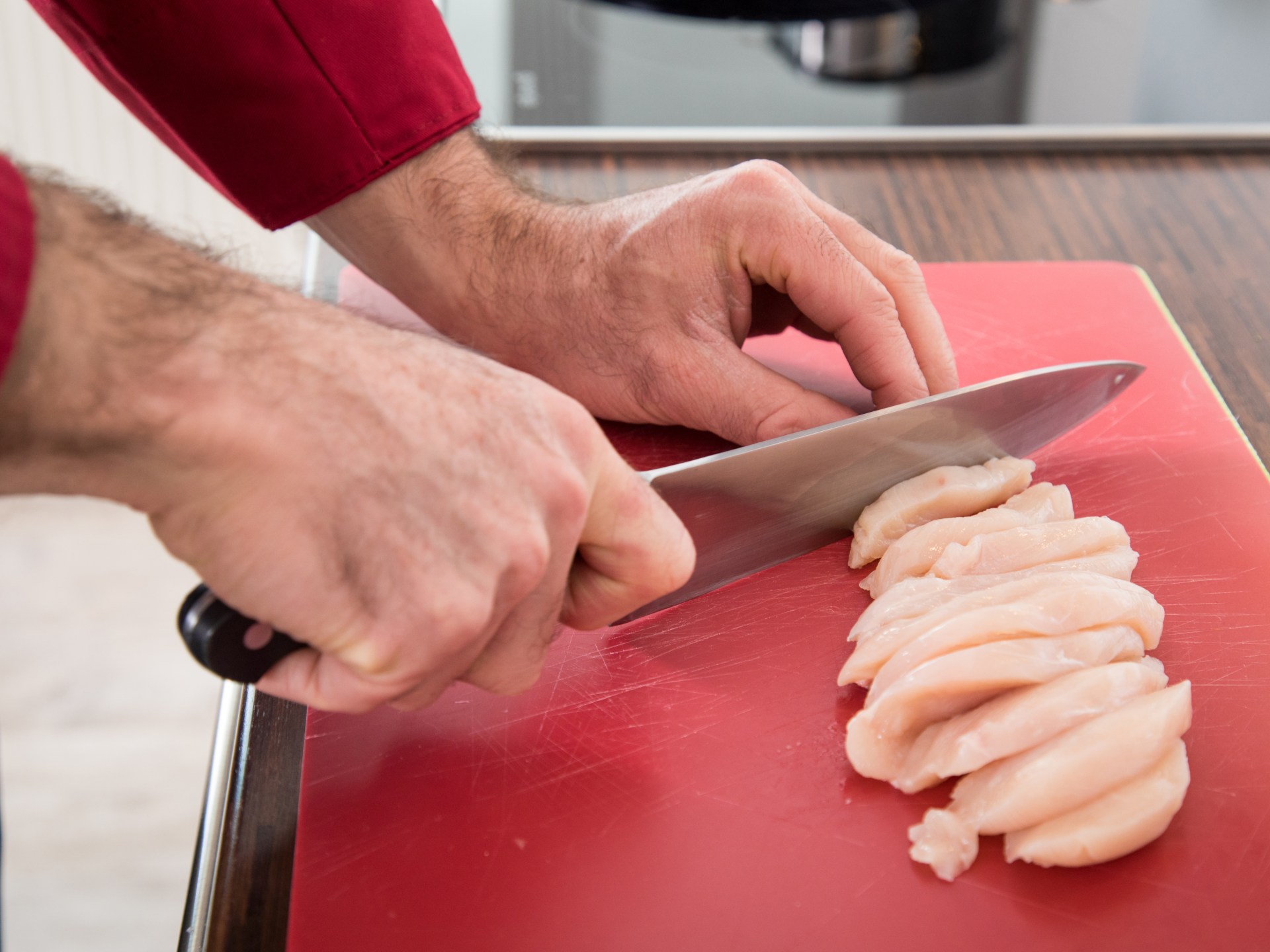
For example, if you cut raw chicken on a cutting board and then immediately use that same board to slice vegetables for a salad, you’ve created a pathway for كامبيلوباكتر to contaminate your fresh produce. Similarly, using the same utensils for handling raw meat and prepared food poses a risk. The concept of سلامة الغذاء (food safety) hinges on eliminating these cross-contamination routes.
نصائح لتجنب التلوث المتقاطع (Tips to Avoid Cross-Contamination)
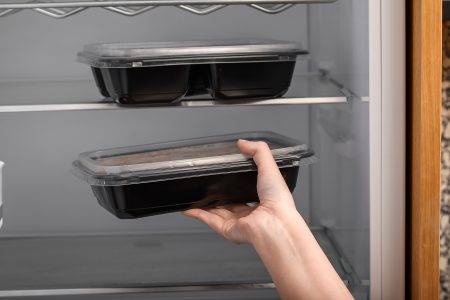
- Dedicated Storage: Always store raw meat, especially poultry, completely separate from other foods in the refrigerator. Use separate containers or place them on the lowest shelf to prevent drips.
- Separate Utensils and Equipment: Designate specific cutting boards, knives, and other utensils exclusively for raw meat. Clearly label them to avoid confusion.
- Thorough Handwashing: Wash your hands thoroughly with soap and warm water for at least 20 seconds after handling raw meat.
- Surface Sanitization: Clean and sanitize all countertops, cutting boards, and any other surfaces that have come into contact with raw meat.
الطهي الآمن: حماية نفسك من البكتيريا الضارة (Safe Cooking: Protecting Yourself from Harmful Bacteria)
While preventing cross-contamination is essential, properly cooking meat is your most effective defense against foodborne illnesses like كامبيلوباكتر. Heat kills bacteria, so ensuring the meat reaches a safe internal temperature is critical.
The German Institute for Risk Assessment stresses that meat must be cooked to an internal temperature of at least 70 degrees Celsius (158 degrees Fahrenheit) and maintained for a minimum of two minutes. Using a meat thermometer is the most reliable way to verify that this temperature has been reached. Don’t rely on visual cues alone, as appearance can be deceiving. Prioritizing إعداد الطعام الصحي (healthy food preparation) involves understanding and applying these temperature guidelines.
Furthermore, avoid partially cooking meat and then finishing it later, as this provides an opportunity for bacteria to multiply. If defrosting meat, do so in the refrigerator, in cold water (changing the water every 30 minutes), or in the microwave (cook immediately after defrosting). Avoid defrosting at room temperature.
أهمية النظافة العامة في المطبخ (The Importance of Overall Kitchen Hygiene)
Beyond handling raw meat, maintaining overall kitchen cleanliness is vital. Regularly cleaning and disinfecting your entire kitchen, including floors, sinks, and appliances, minimizes the risk of bacterial growth and spread. Pay close attention to areas that frequently come into contact with food, such as handles and knobs.
Additionally, proper food storage practices, such as using airtight containers and refrigerating leftovers promptly, are crucial. A clean and organized kitchen isn’t just aesthetically pleasing; it’s a core component of الصحة والسلامة (health and safety).
In conclusion, protecting yourself from foodborne illnesses, particularly those caused by كامبيلوباكتر, requires diligent attention to detail in the kitchen. By consistently implementing practices to prevent cross-contamination and ensuring meat is thoroughly cooked, you can significantly reduce your risk of infection. Remember, prioritizing سلامة الأغذية isn’t merely a recommendation – it’s a necessity for safeguarding your health and well-being. Share this information with your family and friends to promote a healthier and safer food preparation environment for everyone. Do you have any further questions about food safety practices? Consult your local health authority or the German Federal Institute for Risk Assessment for more detailed guidance.