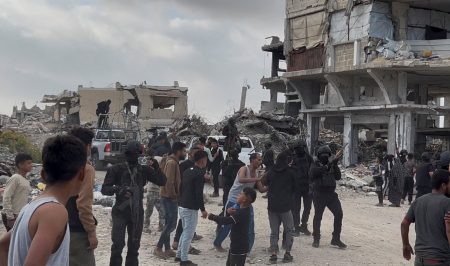






The situation in Gaza remains a focal point of international diplomacy, with recent statements from US Secretary of State Marco Rubio highlighting the complexities and long road ahead in achieving lasting peace. The implementation of the Gaza agreement’s second and third phases is projected to take over three years, and crucial discussions are ongoing to solidify the first phase and pave the way for future progress. A key element of these talks revolves around the Gaza ceasefire and the conditions necessary for its sustained success.
Rubio’s Assessment of the Gaza Agreement and Reconstruction Efforts
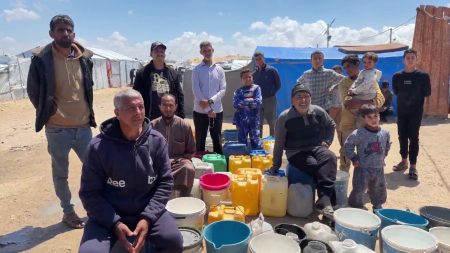
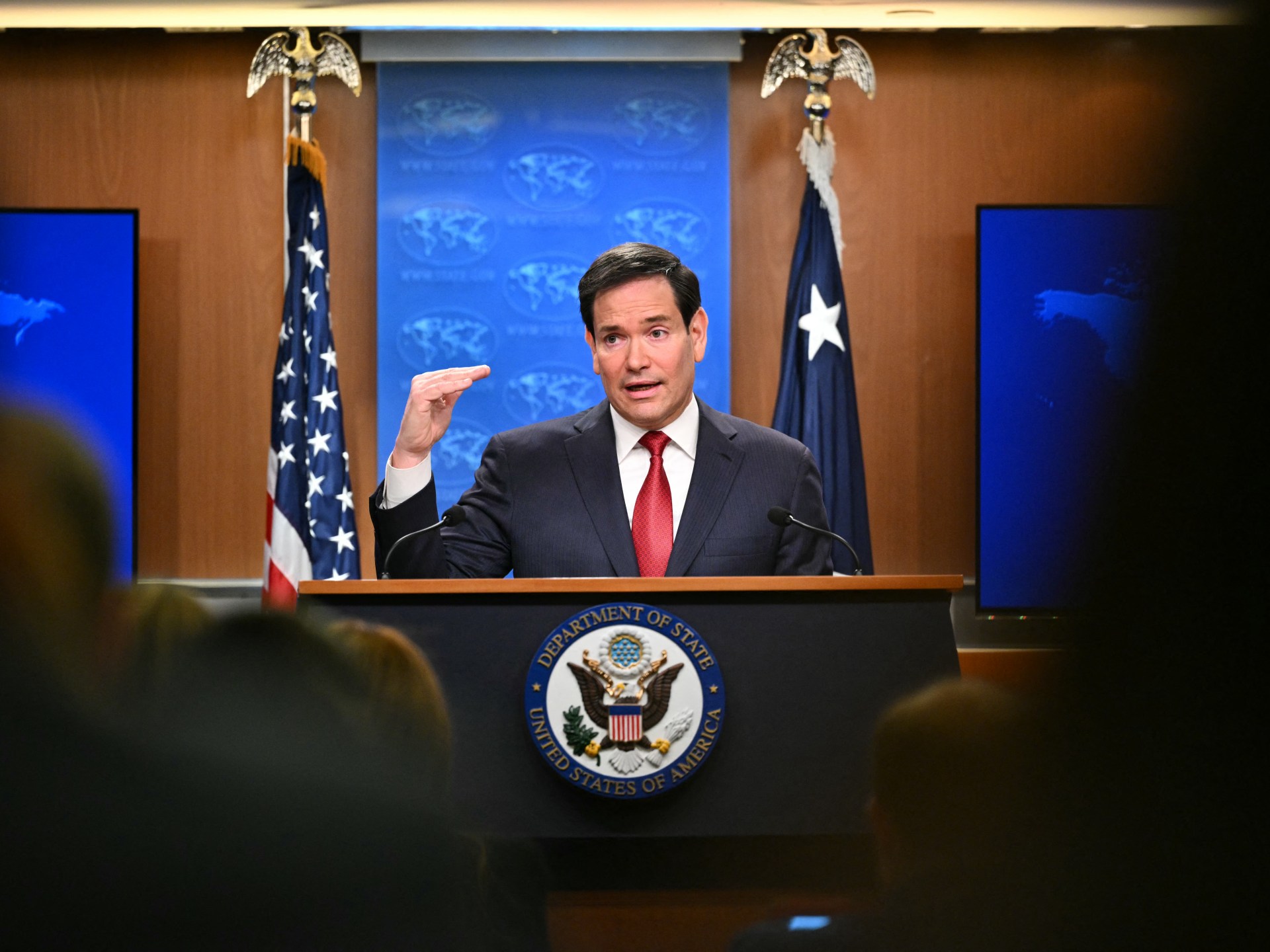
Secretary Rubio, during a press conference in Washington, emphasized the importance of completing the initial phase of the cessation of hostilities. He stressed the urgent need for aid to reach the population and for reconstruction efforts to begin in earnest. “We are in a hurry to end this phase of the agreement so that aid flows and we move on to reconstruction,” he stated. His remarks underscore the US administration’s commitment to alleviating the humanitarian crisis in Gaza.
However, Rubio also made it clear that security must be an integral part of any future assistance. The desire is to move towards a stage where humanitarian aid delivery is inextricably linked to security arrangements on the ground, a critical consideration given past experiences. He indicated a strong preference for the establishment of a stabilization force and a technocratic government in Gaza, believing these would facilitate the effective delivery and management of aid. Acknowledging the challenges, Rubio admitted, “It’s not easy.”
Challenges for the Trump Administration
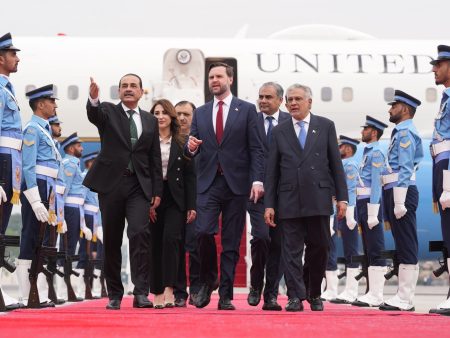
Rubio positioned the situation in Gaza as one of the most significant challenges facing the Trump administration. He celebrated the current cessation of hostilities as a major achievement for the administration, showcasing their diplomatic efforts. He expressed confidence in the existence of nations acceptable to all parties who are willing to contribute to a stabilization force, citing Pakistan’s offer of participation as a positive sign. This potential international involvement is seen as vital to maintaining security and stability post-conflict.
Accusations Against Hamas and UNRWA
A significant obstacle to progress, according to Rubio, is the alleged violation of the ceasefire agreement by Hamas through attacks on Israeli soldiers. He vehemently condemned these actions, asserting that lasting peace is impossible if Hamas retains the ability to threaten Israel. “If Hamas is able to threaten Israel or attack it in the future, there will be no peace, and no one will be convinced to invest money in Gaza if they believe a new war will break out in two or three years,” he warned.
This concern underlines the necessity for verifiable security guarantees before significant investment can be directed towards Gaza’s long-term recovery. Rubio also criticized the United Nations Relief and Works Agency for Palestine Refugees in the Near East (UNRWA), accusing it of “corruption” and suggesting that aid could be delivered effectively without its involvement. This stance represents a potential shift in US policy toward bypassing UNRWA in future assistance programs, a move likely to be controversial. The focus is shifting toward direct aid delivery to ensure transparency and accountability.
The Miami Talks: A Crucial Step Towards a Durable Peace
Currently, all eyes are on the ongoing negotiations in Miami. US envoys Steve Witkoff and Jared Kushner are meeting with representatives from Qatar, Egypt, and Turkey to discuss the transition to the next phase of the Gaza agreement. A White House spokesperson confirmed that Witkoff will specifically focus on advancing the second phase of the ceasefire with the mediating parties.
The participants include Sheikh Mohammed bin Abdulrahman Al Thani, Qatar’s Prime Minister and Foreign Minister, Turkish Foreign Minister Hakan Fidan, and Egyptian Foreign Minister Sameh Shoukry. These discussions are critical in navigating the complex path towards a sustainable solution. The presence of these key regional players demonstrates the international commitment to resolving the situation.
Hamas’s Stance and Requirements for the Future
In response to the Miami talks, a member of Hamas’s political bureau, Basem Naim, stated that the negotiations must address and halt Israeli violations of the existing truce. Naim called on the participating parties to “put an end to the Israeli rampage and stop all violations and breaches” and to ensure Israel adheres to the terms of the Sharm el-Sheikh agreement. This highlights Hamas’s insistence on demonstrable good faith from the Israeli side before proceeding further.
The second phase of the agreement reportedly includes Hamas surrendering its weapons, Israel withdrawing from its current positions in Gaza, and the establishment of a transitional governing authority alongside an international stabilization force. Achieving these steps will require significant concessions and ongoing negotiations, demanding the full cooperation of all involved parties. The political future of Gaza hinges on the success of these agreements.
In conclusion, the path to a lasting Gaza ceasefire is fraught with challenges, as underscored by Secretary Rubio’s statements. The Miami talks represent a pivotal moment, requiring all parties to address concerns regarding security, aid delivery, and governance. The prospect of an international stabilization force, alongside a commitment to combating corruption and holding Hamas accountable, is essential for building trust and securing a future where peace and prosperity can flourish in Gaza. Continued diplomatic engagement and a focus on tangible progress are critical to prevent a recurrence of violence and to unlock the potential for long-term stability in the region. Readers are encouraged to stay informed about developments as these important negotiations unfold.