





The recent severe weather system impacting the Gaza Strip has tragically claimed lives and dramatically worsened the already dire humanitarian situation for Palestinian civilians, particularly the internally displaced. The ongoing crisis, exacerbated by the harsh winter conditions, demands urgent international attention. This article will detail the devastating effects of the Gaza weather crisis, the challenges faced by residents, and the desperate need for aid.
The Devastating Impact of the Current Weather System
The Gaza Strip is currently grappling with a particularly brutal winter storm, the third of its kind this season. The combination of torrential rain, strong winds, and plummeting temperatures has led to widespread destruction and loss of life. The situation is particularly acute for the hundreds of thousands of Palestinians who have been displaced from their homes due to the recent conflict and are living in inadequate shelters.
The Ministry of Health in Gaza has confirmed the deaths of a two-month-old infant, Arkan Firas Maslah, due to the extreme cold, bringing the total number of weather-related fatalities to three. Furthermore, a Palestinian man lost his life in a building collapse, adding to the 17 injuries reported from similar incidents caused by the storm. These numbers are tragically expected to rise as the weather continues to deteriorate.
Collapsing Infrastructure and the Plight of the Displaced
A major contributing factor to the escalating crisis is the widespread damage to infrastructure. Over 18 residential buildings have completely collapsed since the onset of the recent weather systems, and more than 110 others have suffered partial collapses, posing an immediate threat to the lives of those living nearby.
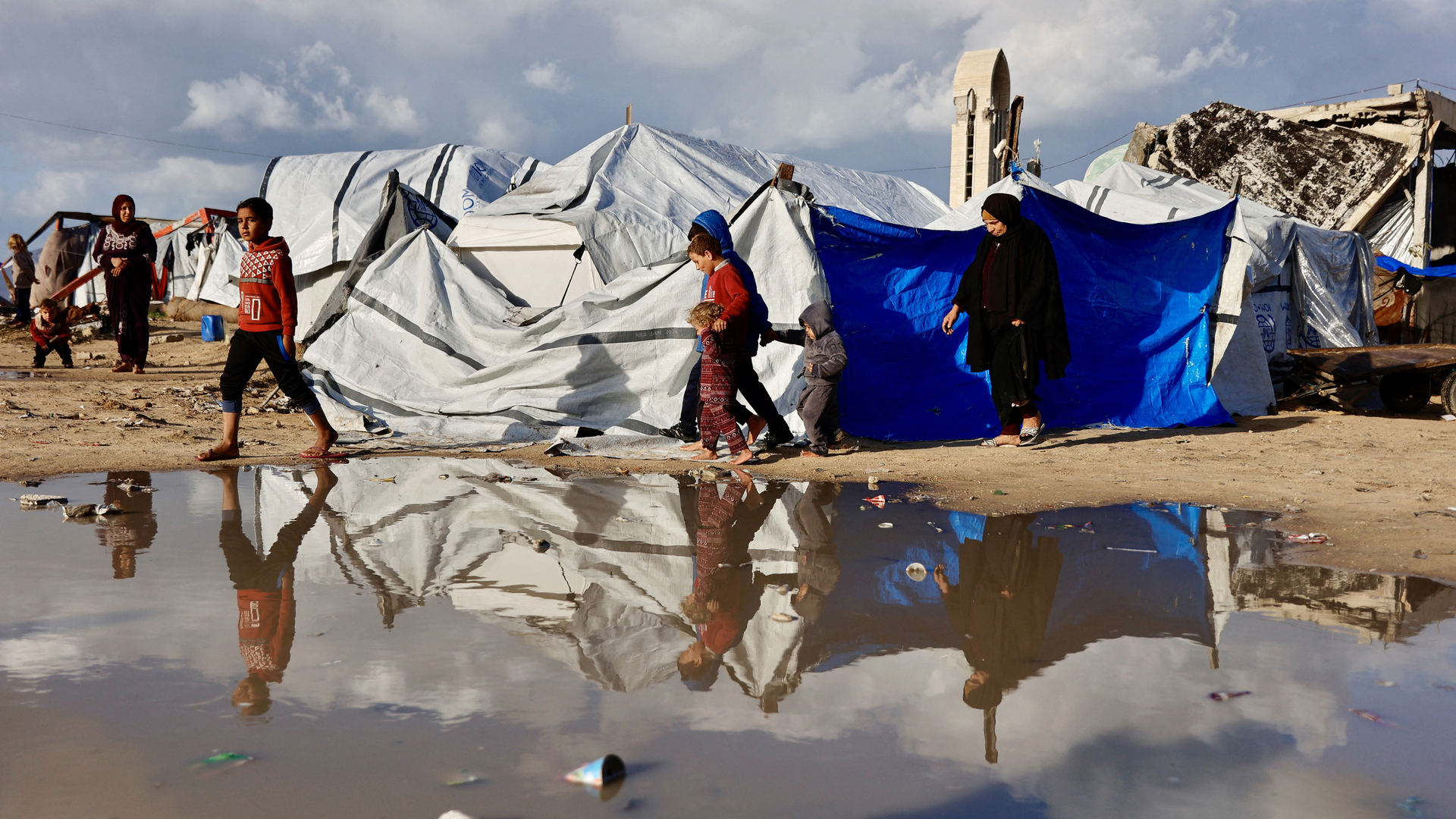
However, the most visible and heartbreaking consequence is the destruction of displacement camps. Over 90% of the tents providing shelter to displaced families have been either torn apart by the wind or flooded by the heavy rainfall. This leaves countless individuals exposed to the elements, with little to no protection from the cold and wet. The situation is a stark illustration of the humanitarian catastrophe unfolding in Gaza.
Israel’s Role and Obstacles to Aid
The crisis is further compounded by what many are describing as a deliberate exacerbation of the situation. Reports indicate that the Israeli army unexpectedly opened the floodgates of the Wadi Gaza, a river previously contained by dams. This action resulted in the inundation and destruction of nearby displacement camps, washing away what little possessions the residents had left.
Adding to the difficulties, the ongoing restrictions on the entry of essential supplies into Gaza are hindering relief efforts. Despite a ceasefire agreement coming into effect on October 10th, 2025, Israel has been accused of failing to uphold its commitments to facilitate the delivery of food, medical supplies, and crucially, shelter materials like mobile homes and building supplies. This deliberate obstruction is significantly delaying the provision of vital assistance to those in need.
Urgent Appeals for International Intervention
Palestinian civil defense spokesperson, Mahmoud Bassel, has issued a desperate plea for international assistance. He reported receiving over 700 distress calls since the beginning of the current weather system, ranging from rescuing individuals trapped in floodwaters to responding to building collapses. He highlighted the inadequacy of tents as a long-term solution, emphasizing their inability to provide sufficient protection against the harsh weather conditions.
The United Nations Relief and Works Agency for Palestine Refugees in the Near East (UNRWA) estimates that approximately 235,000 people in Gaza have been affected by the recent storm, with 17 buildings collapsing and over 42,000 tents or temporary shelters damaged. This underscores the massive scale of the humanitarian challenge. The Gaza weather crisis is not simply a natural disaster; it is a man-made catastrophe amplified by political obstacles and a lack of adequate support.
The Human Cost: Beyond the Numbers
The statistics, while alarming, fail to capture the full extent of the suffering. Families are huddled together in damaged buildings, desperately trying to stay warm and dry. Children are particularly vulnerable, facing the risk of hypothermia and respiratory infections. The psychological toll of displacement, loss, and exposure to the elements is immense. The winter storm in Gaza is stripping away dignity and hope, pushing already vulnerable communities to the brink. The need for emergency aid, including blankets, heaters, food, and medical supplies, is critical. Beyond immediate relief, there is a pressing need for durable shelter solutions and a commitment from all parties to ensure the unimpeded delivery of humanitarian assistance.
The international community must respond swiftly and decisively to alleviate the suffering of the Palestinian people in Gaza. Ignoring this crisis is not an option; it is a moral imperative to provide assistance and advocate for a lasting solution that addresses the root causes of the vulnerability and ensures the safety and well-being of all residents. The Gaza weather crisis demands immediate action and sustained commitment to a just and equitable future for the region.