




The situation in Ukraine remains deeply volatile, with recent escalations raising serious concerns about the prospects for a peaceful resolution. A stark warning from Russian President Vladimir Putin, coupled with reported territorial gains by Russian forces, casts a long shadow over upcoming diplomatic efforts, particularly a crucial meeting between Ukrainian President Volodymyr Zelenskyy and former US President Donald Trump. This article will delve into the latest developments, analyzing Putin’s stance, the battlefield dynamics, and the potential outcomes of the Zelenskyy-Trump talks, focusing on the ongoing Ukraine conflict.
تصعيد الموقف: تصريح بوتين والتقدم العسكري الروسي
Russian President Vladimir Putin has effectively signaled a rejection of diplomatic solutions, stating that Russia will resolve the conflict in Ukraine militarily if Kyiv refuses to negotiate. This declaration, reported by Interfax, underscores a hardening of Moscow’s position and a commitment to pursuing its objectives through force. Putin’s assertion that Kyiv is “not in a hurry” to end the conflict peacefully further complicates the already fraught situation.
Simultaneously, the Kremlin announced advances by Russian forces, claiming the “liberation” of the settlements of Dmytrivka (Russian name for Myrnohrad) and Holubivka. These gains, particularly around Myrnohrad, a key logistical hub in the Donetsk region, represent a tangible shift on the ground. However, the Ukrainian military contests these claims, reporting that its forces have successfully repelled Russian attempts to advance in the areas surrounding these towns. This discrepancy in reporting highlights the challenges in verifying battlefield information and the ongoing intensity of the fighting.
الهجوم الروسي بالطائرات المسيّرة والصواريخ وتأثيره على البنية التحتية
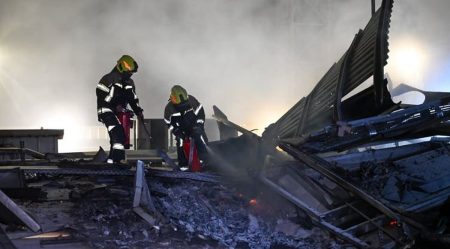
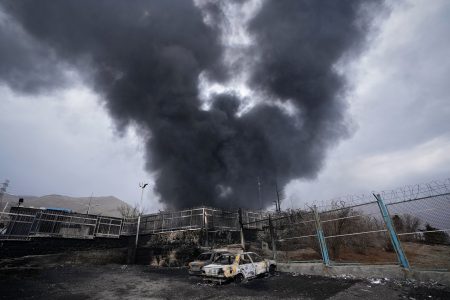
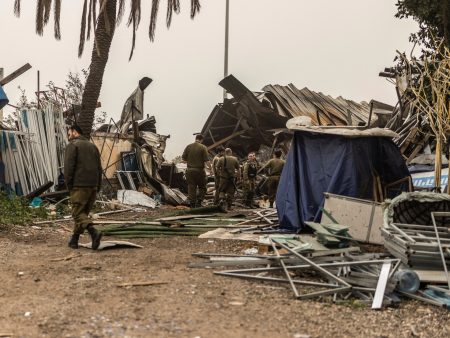
The latest escalation includes a large-scale Russian attack utilizing drones and missiles. President Zelenskyy described the attack, which occurred the night before his planned meeting with Trump, as involving approximately 500 drones and 40 missiles. The assault resulted in significant disruptions to critical infrastructure in the capital, causing power and heating outages in several areas. This demonstrates Russia’s continued strategy of targeting Ukraine’s essential services, aiming to weaken the country’s resilience and potentially pressure its leadership into concessions. The severity of the attack underscores the urgent need for enhanced air defense capabilities for Ukraine.
لقاء زيلينسكي وترامب: آمال معلقة على إيجاد حل
Despite the bleak outlook, a glimmer of hope remains with the anticipated meeting between President Zelenskyy and Donald Trump in Florida. Zelenskyy has characterized the meeting as vital for advancing efforts to reach a peace agreement. The core of the discussions is expected to revolve around territorial control and the future status of the Zaporizhzhia Nuclear Power Plant, both major sticking points in the Ukraine crisis.
Zelenskyy revealed that a 20-point peace plan, spearheaded by the United States, is approximately 90% complete. This plan reportedly addresses the complex issue of security guarantees, with the US initially offering a 15-year renewable agreement. However, Ukraine is seeking a longer-term commitment with legally binding provisions to deter future Russian aggression. This highlights the Ukrainian desire for robust and reliable security assurances.
الدعم الأوروبي والكندي لجهود السلام
Prior to his meeting with Trump, Zelenskyy received strong expressions of support from European leaders and Canada during a visit to Halifax, Canada. German Chancellor Friedrich Merz affirmed that Zelenskyy enjoys the “full support” of European and Canadian leaders in their pursuit of a “just and lasting peace in Ukraine.” Ursula von der Leyen, President of the European Commission, emphasized the necessity of a peace that upholds Ukraine’s sovereignty and territorial integrity.
Canadian Prime Minister Mark Carney acknowledged the possibility of achieving a just and lasting peace but stressed that Russia’s willingness to cooperate is a prerequisite. This unified front of support from key international partners aims to bolster Ukraine’s negotiating position and signal a collective commitment to finding a resolution to the Russian-Ukrainian war.
التحديات المستمرة والعقبات التي تواجه الحل
While the proposed peace plan and international support offer a potential pathway forward, significant challenges remain. The issue of territorial control, particularly the status of Crimea and the Donbas region, is deeply contentious. Russia views its annexation of Crimea as legitimate and has made substantial gains in the Donbas, while Ukraine insists on the restoration of its territorial integrity.
The Zaporizhzhia Nuclear Power Plant, currently under Russian control, presents another major obstacle. Ensuring the safety and security of the plant, and determining its future management, are critical concerns for the international community. Furthermore, the lack of trust between the parties and the ongoing military operations create a difficult environment for meaningful negotiations. The potential for further escalation, as indicated by Putin’s recent statements, remains a constant threat.
In conclusion, the situation in Ukraine is at a critical juncture. Putin’s rejection of peaceful solutions and the ongoing military advances pose a significant challenge to diplomatic efforts. The meeting between Zelenskyy and Trump represents a crucial opportunity to explore potential pathways to peace, but overcoming the deep-seated disagreements and building trust will require sustained commitment and a willingness to compromise from all parties involved. The international community must continue to provide unwavering support to Ukraine and work towards a just and lasting resolution to this devastating conflict. Further updates on the Ukraine conflict will be crucial in the coming weeks.