




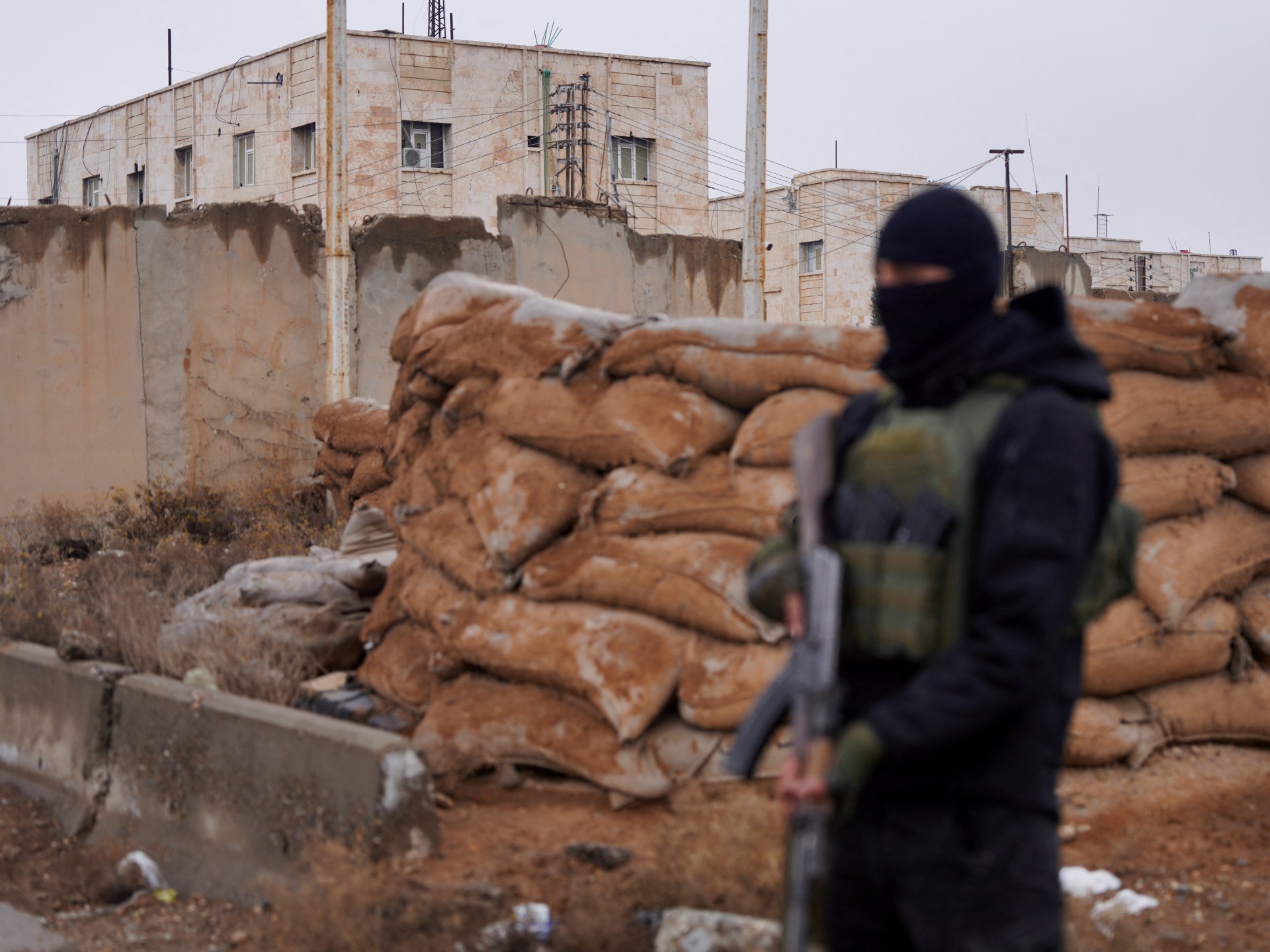
The situation in Syria remains delicately poised as the deadline for a potential extension of the ceasefire between the Syrian government and the Syrian Democratic Forces (SDF) approaches. While indications suggest a willingness to continue the truce, particularly to facilitate the transfer of ISIS detainees, official confirmation from Damascus is still pending. This development, occurring on January 24th, 2026, with the last update at 19:39 (Mecca time), is crucial for the stability of the region and the future of the Syria ceasefire.
Turkish Mediation and the Importance of Continued Calm
Turkish Foreign Minister Hakan Fidan has publicly stated the necessity of extending the current Syria ceasefire, linking it directly to the ongoing transfer of ISIS prisoners to Iraq. He emphasized that maintaining the truce is vital to minimizing security risks during this sensitive operation and preventing further destabilization in northeastern and eastern Syria. Fidan’s comments highlight Turkey’s continued involvement as a key mediator in the Syrian conflict and its concern over the resurgence of extremist groups.
He explained in a televised interview that the cessation of hostilities is not merely a pause in fighting, but a prerequisite for a secure and orderly transfer of detainees. Any breakdown in the truce could create a power vacuum exploited by remaining ISIS cells, jeopardizing regional security.
Conflicting Reports on Extension Possibility
Sources within the SDF have indicated that the deadline for a response regarding the ceasefire extension might be prolonged. However, this optimism is tempered by reports from Syrian officials denying any current discussions about an extension. A high-ranking Syrian government source, as quoted by Reuters, explicitly stated that no negotiations are underway concerning a continuation of the truce with the SDF.
This discrepancy in reporting underscores the complexity of the situation and the lack of complete transparency surrounding the negotiations. It also suggests a potential divergence in perspectives between the parties involved, with the SDF seemingly more open to extending the truce than the Syrian government.
ISIS Detainee Transfer and Control of Al-Hol Camp
The impetus for the ceasefire stems from the ongoing transfer of ISIS detainees from northeastern Syria to Iraq. The US-led coalition has begun relocating these prisoners to secure detention facilities in Iraq, with an estimated 7,000 individuals expected to be transferred. This operation is a significant undertaking, requiring a stable security environment to ensure its success.
Prior to the ceasefire, the SDF withdrew from the Al-Hol camp, a notorious detention facility housing thousands of ISIS-affiliated women and children, without coordinating with Syrian authorities. Subsequently, the Syrian army gained control of the camp and its surrounding areas. This move, while potentially destabilizing, has been described by some as a positive sign, indicating a willingness by the SDF to relinquish control to the government through negotiation.
Syrian Army Gains Control of Al-Qutaan Prison
A particularly significant development has been the Syrian government’s takeover of Al-Qutaan prison in the Raqqa province. This occurred following negotiations with the SDF, who allowed government forces to enter and assume control. Sources describe this as a “positive indicator” suggesting the Syria ceasefire could hold and potentially lead to a broader political resolution.
The Syrian army has already begun transferring SDF fighters from Al-Qutaan prison and its vicinity to Ain al-Arab (Kobani), east of Aleppo. With the capture of Al-Qutaan, the Syrian government now controls all of Raqqa province. This represents a substantial territorial gain for the government and a further reduction in the SDF’s area of influence.
The Proposed Integration Agreement
The current ceasefire is linked to a comprehensive agreement reached on January 18th, aiming for the full integration of the SDF into the Syrian army. This agreement outlines a series of steps, including the immediate handover of administrative and military control of Raqqa and Deir ez-Zor provinces to the Syrian government.
Furthermore, the government is expected to assume control of the prisons and detention camps currently managed by the SDF, which hold both fighters and individuals linked to ISIS. The Syrian President, Ahmed al-Shar’a, has requested the SDF nominate a candidate for the position of Deputy Minister of Defense as part of the integration process. However, as of today, no response has been received from the SDF regarding their integration plan or the proposed nominee. This lack of response is a key point of contention.
Military Preparations Continue Despite Hope for Resolution
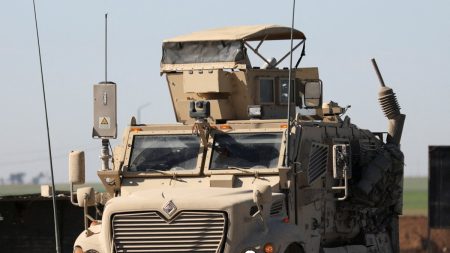
Despite the glimmer of hope offered by the Al-Qutaan handover and ongoing negotiations, both sides are actively preparing for a potential resumption of hostilities. Syrian military officials report they are mobilizing forces in anticipation of a confrontation, and Reuters journalists have observed military vehicles and troop transports heading towards areas controlled by the SDF, particularly near Hasakah.
International actors, including the United States and France, are actively urging the Syrian government to refrain from deploying forces to SDF-held territories. These countries, key players in the anti-ISIS coalition and mediators in the Syrian conflict, are keen to see a peaceful resolution and prevent a further escalation of violence. The political settlement remains the preferred outcome for these international stakeholders.
Looking Ahead: A Fragile Peace
The future of the Syria ceasefire remains uncertain. While the transfer of ISIS detainees and the handover of Al-Qutaan prison represent positive steps, the lack of a definitive response from the SDF regarding integration and the continued military preparations on both sides highlight the fragility of the situation. The coming days will be critical in determining whether a lasting peace can be achieved or if Syria is once again plunged into full-scale conflict. Continued diplomatic efforts and a genuine commitment to dialogue are essential to navigate this complex and volatile landscape and achieve a sustainable political settlement for the region.