





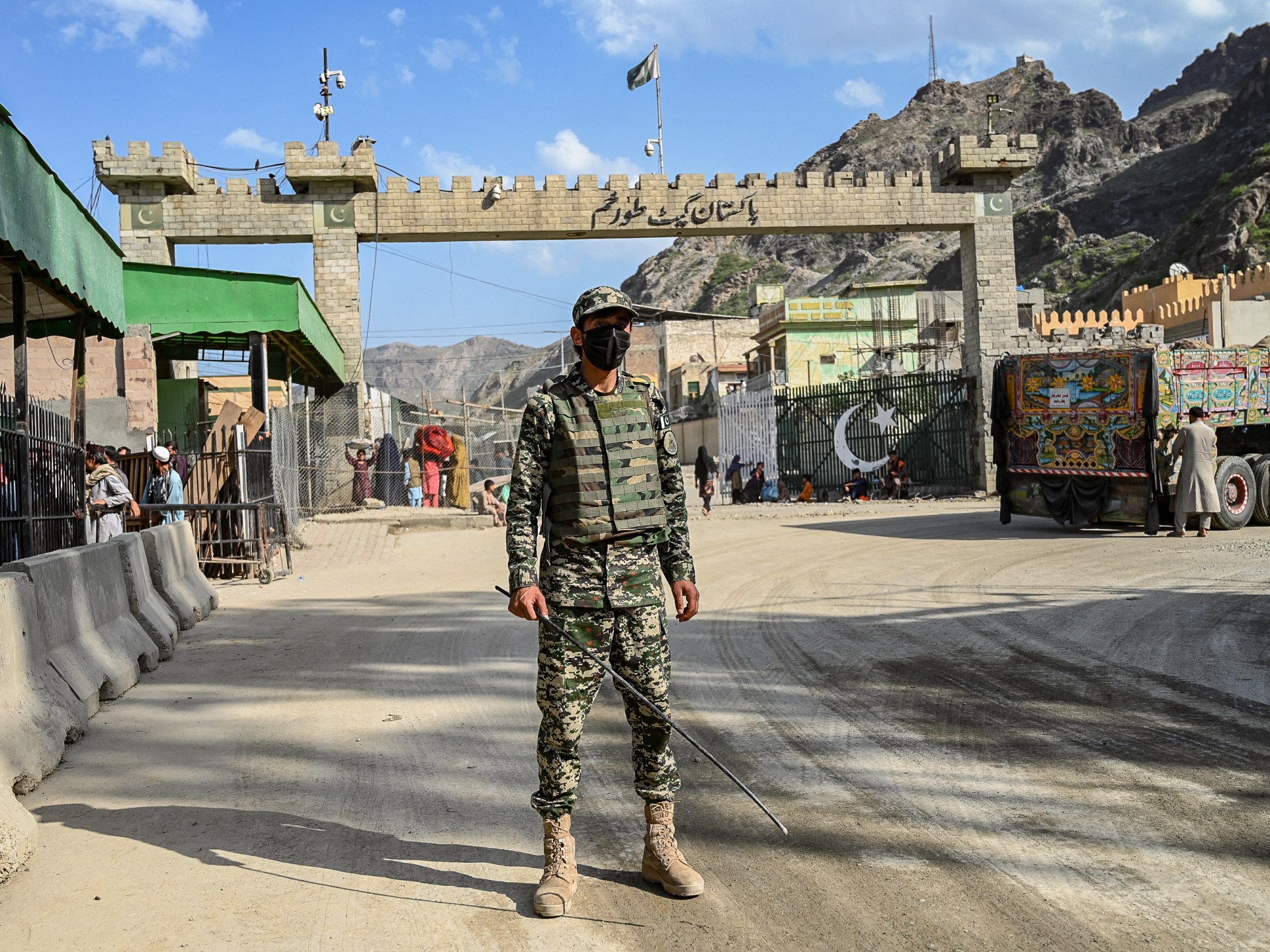
The ongoing closure of the Pakistan-Afghanistan border continues to inflict hardship on thousands, disrupting lives and livelihoods. Since the closure on October 12th, many students, traders, and families find themselves stranded, unable to return home. Despite mediation efforts, a permanent resolution remains elusive, and fears of renewed conflict loom. This article examines the human cost of the Pakistan-Afghanistan border closure and the growing anxieties surrounding the situation.
أسباب إغلاق الحدود وتصاعد التوترات (Reasons for the Border Closure and Escalating Tensions)
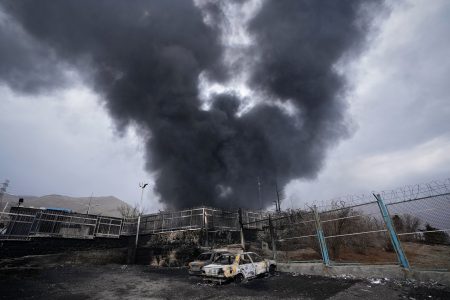
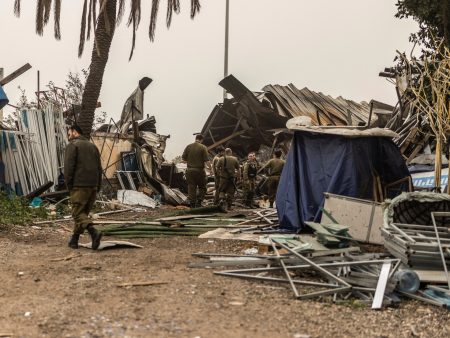
The immediate trigger for the border closure was a series of border clashes that erupted between Pakistani and Afghan forces, resulting in over 70 fatalities. However, the underlying causes are far more complex and rooted in long-standing issues. Islamabad accuses Kabul of harboring militant groups operating against Pakistan, a charge vehemently denied by the Afghan government. The disputed Durand Line, a 2,600-kilometer border stretching through rugged mountainous terrain, further exacerbates tensions. This border geographically divides communities, primarily Pashtun populations, who share deep cultural, economic, and social ties on both sides.
The issue isn’t simply a military one. Pakistan has also taken measures to repatriate Afghan families, refugees, and migrants living within its borders, adding to the instability and human suffering. This has created a challenging humanitarian situation and increased the pressure for a swift and lasting resolution.
معاناة الطلاب العالقين (The Suffering of Stranded Students)
The border closure has had a particularly devastating impact on students pursuing education in both countries. Hundreds of Pakistani students studying at universities in Afghanistan, especially in Nangahar province, are unable to return to their families. Similarly, Afghan students in Pakistan face the same predicament.
Shah Faisal, a 25-year-old medical student in Afghanistan, expressed his disappointment, stating he had hoped to visit his family during the winter break. “We miss our parents and relatives,” he said. Another medical student, Shah Fahd Amjad (22), in Jalalabad, urged both nations to open the border specifically for students. Brakatullah Wazir (23), also a student in Jalalabad, highlighted the broader impact on the academic community, noting the difficulties faced by students from both countries. Reports indicate between 500-600 Pakistani students alone are stuck in Nangahar province, yearning for home.
تأثيرات اقتصادية وخسائر فادحة للتجار (Economic Impacts and Significant Losses for Traders)
The economic ramifications of the border blockade are substantial and far-reaching. The closure has effectively halted trade between the two nations, impacting businesses and livelihoods on both sides. Khan Muhammad, a 39-year-old truck driver stranded at the Spin Boldak border crossing, lamented that he hasn’t been able to transport a single kilogram of goods in over two months. “All our livelihoods depend on this gateway,” he explained, hoping for a swift reopening.
The disruption affects not only large-scale trade but also the daily income of individuals like Ihsanullah Hamat, a 21-year-old shopkeeper who traveled with his family to Kandahar for a wedding. He now finds himself indefinitely stranded, burdened by the financial and emotional strain of relying on relatives for support. Alternative routes are either prohibitively expensive or too lengthy for families to consider, making the situation even more desperate.
تأشيرات متوقفة وأوضاع مالية حرجة (Stopped Visas and Critical Financial Conditions)
Beyond the difficulties faced by students and traders, a growing number of Pakistani citizens are worried about the validity of their visas and their financial stability in Afghanistan. The lack of guaranteed return options adds to this anxiety. While the Pakistani Foreign Ministry reported that around 1200 individuals approached its embassy in Kabul for assistance, with 549 being students, only a little over 300 were able to return by air by the end of December. Air travel, however, remains an expensive and inaccessible option for many.
The desperate circumstances are driving some to consider dangerous illegal crossings, highlighting the lack of safe and legal alternatives. This underscores the urgency for diplomatic solutions.
البحث عن حلول وإمكانية استئناف القتال (Searching for Solutions and the Possibility of Resuming Conflicts)
The absence of clear indications from either government regarding the resumption of border operations is deeply concerning. While mediation efforts have been ongoing, they have yet to yield a permanent agreement. Both sides continue to issue warnings about the potential for renewed hostilities should a resolution not be found.
The Pakistani government maintains that it requires assurances that Afghanistan will not allow its territory to be used as a haven for terrorist groups. Kabul, however, insists it is committed to preventing its land from being used for attacks against neighboring countries. Finding common ground and building trust are vital steps towards de-escalation and a sustainable solution to the Pakistan-Afghanistan border crisis.
In conclusion, the prolonged Pakistan-Afghanistan border closure is a multifaceted crisis with significant human and economic costs. The situation demands immediate attention and collaborative efforts from both governments to prioritize the well-being of those stranded, address the underlying security concerns, and restore vital trade and educational links. Sharing this information and continuing the dialogue are essential to alleviate the suffering and foster a peaceful resolution for the future.