






The relentless conflict in Sudan continues to exact a horrific toll on civilians, with reports of systematic killings and a dire humanitarian crisis unfolding across multiple regions. The situation, particularly in cities besieged by the Rapid Support Forces (RSF), demands immediate attention and a surge in international aid. This article delves into the escalating violence, the challenges faced by humanitarian organizations, and the increasingly desperate plight of millions of Sudanese people affected by the ongoing Sudan crisis.
تصاعد العنف ضد المدنيين: الفاشر وكردفان في قلب المعاناة
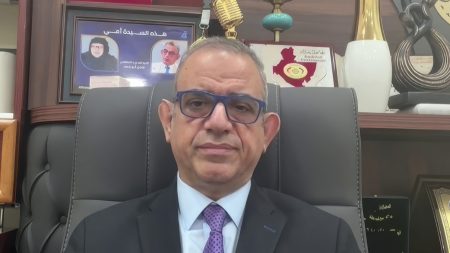
The United Nations Coordinator for Humanitarian Affairs in Sudan, Denise Brown, has painted a grim picture of the continuing atrocities, revealing that the deliberate targeting of civilians persists in numerous Sudanese cities encircled by the RSF, who are actively blocking access for vital humanitarian assistance. The brutality witnessed in Al-Fashir, the capital of Darfur, following the RSF’s control in October, is now tragically repeating itself in Babnusa and Kadugli in the Kordofan region.
Brown’s recent interview with Al Jazeera highlighted the systematic nature of these killings. She spoke of tens of thousands of civilians fleeing for their lives, often with nothing but the clothes on their backs. Eyewitness accounts detail people walking for upwards of 20 kilometers in dilapidated shoes, enduring unimaginable hardship just to escape the violence. This exodus underscores the complete breakdown of security and the escalating humanitarian disaster in Sudan.
حاجة ملحة للمساعدات الإنسانية: أرقام صادمة وتحديات التمويل
The scale of displacement is staggering. Brown emphasized that an estimated 10 million Sudanese citizens have been forced to flee their homes due to the fighting, desperately requiring food, water, shelter, healthcare, and resources for children. However, the United Nations is facing a critical funding shortfall, severely hindering its ability to provide this essential support.
As of now, the organization has only received 32% of the funds it requested at the beginning of the year. The worsening situation in Al-Fashir and other cities has further amplified the need, necessitating additional financial resources. The lack of funding isn’t simply a bureaucratic issue; it directly translates into a lack of life-saving aid for vulnerable populations. The unfolding displacement crisis in Sudan requires a rapid and substantial increase in international support.
جهود الأمم المتحدة للدخول إلى الفاشر والتفاوض مع الدعم السريع
Despite the immense challenges, the United Nations remains committed to reaching those in need. Brown explained that the UN’s approach focuses on engagement with both parties to the conflict, currently including talks with the RSF. These dialogues are guided by international principles designed to ensure the safety of humanitarian workers – specifically, a commitment to entering areas without armed escort.
According to these principles, any entry must allow access to prisoners and facilitate the evacuation of the injured. The UN is “very clear about what needs to be provided to ensure the safe access of all organizations to Al-Fashir and other areas”. A small UN team hopes to enter Al-Fashir soon to assess the situation on the ground, but this requires extreme caution, as Brown described the city as a “killing field”. Successfully negotiating access, meanwhile, is critical to mitigating the conflict’s impact on civilians.
الهدنة الإنسانية المتضاربة: تصريحات متناقضة وتصعيد مستمر
Recent announcements regarding a humanitarian pause are overshadowed by continued reports of violence. The RSF commander, Mohamed Hamdan Dagalo (Hemedti), announced a three-month ceasefire last week, including a halt to hostilities and promises to establish a monitoring mechanism with the involvement of international stakeholders.
However, this declaration directly contradicts the rejection of a similar international proposal by the Chairman of the Transitional Sovereignty Council of Sudan, Abdel Fattah al-Burhan. This disconnect highlights the deep-seated mistrust and the difficulty in achieving a lasting cessation of hostilities. Despite Hemedti’s claims, waves of new displacement continue in North Darfur and West Kordofan, particularly in cities like Taweila, where the number of internally displaced persons has exceeded 600,000 according to UN figures.
الوضع الراهن والسيطرة على الأرض
Currently, the RSF controls all five states of the Darfur region in the west, alongside some northern parts of North Darfur state still contested by the Sudanese Armed Forces (SAF). The SAF maintains control over the majority of the remaining 13 states, including the capital, Khartoum. This geographical division underscores the complexity of the conflict and the challenge of establishing unified security arrangements. The prolonged Sudan crisis is creating destabilizing effects throughout the region.
In conclusion, the situation in Sudan remains incredibly perilous. Driven by escalating violence and hampered by insufficient funding, the humanitarian situation is spiraling out of control. The need for a genuine, respected ceasefire and a massive injection of aid is paramount to alleviating the suffering of millions. It is crucial for the international community to increase its support and pressure all parties to prioritize the safety and well-being of the Sudanese people. Stay informed and consider supporting organizations actively working on the ground to provide desperately needed assistance.