





The ongoing conflict in Sudan has taken a dramatic turn with the increasing deployment of unmanned aerial vehicles, commonly known as drones. The ability of the Rapid Support Forces (RSF) to utilize these technologies for both reconnaissance and attack has significantly altered the battlefield dynamics. This article delves into the RSF’s growing drone capabilities, the sources of these technologies, and the potential implications for the future of the war. Understanding the طائرات مسيرة في السودان (drones in Sudan) is crucial to comprehending the current state and potential trajectory of the conflict.
تطور قدرات قوات الدعم السريع في استخدام الطائرات المسيرة (The Evolution of RSF Drone Capabilities)
Initially, the Sudanese Armed Forces (SAF) held a considerable advantage in drone warfare, executing 280 strikes against RSF positions in 2023 compared to the RSF’s mere 10. However, the landscape has shifted dramatically in the years 2024 and 2025. Colonel Hatem Karim Al-Falahi, a military and strategic expert, highlights that the RSF has successfully acquired substantial technical capabilities and military resources, enabling them to deploy drones across a wider geographical area. This includes strikes reaching as far as the Red Sea coast, demonstrating a clear escalation in their operational reach.
The change isn’t simply about quantity; it’s about quality and sustained capability. The RSF’s ability to consistently launch and execute drone operations signifies a significant investment in training, maintenance, and logistical support. This evolution is directly linked to external assistance, as detailed by Al-Falahi.
مصادر الطائرات المسيرة: سوق عالمي ودعم خارجي (Sources of Drones: A Global Market and External Support)
The RSF isn’t relying on a single source for its drone technology. Al-Falahi points to the existence of a “market” facilitating the acquisition of these unmanned systems. Crucially, many commercially available drones can be modified and repurposed for military applications, including becoming armed or loitering munitions.
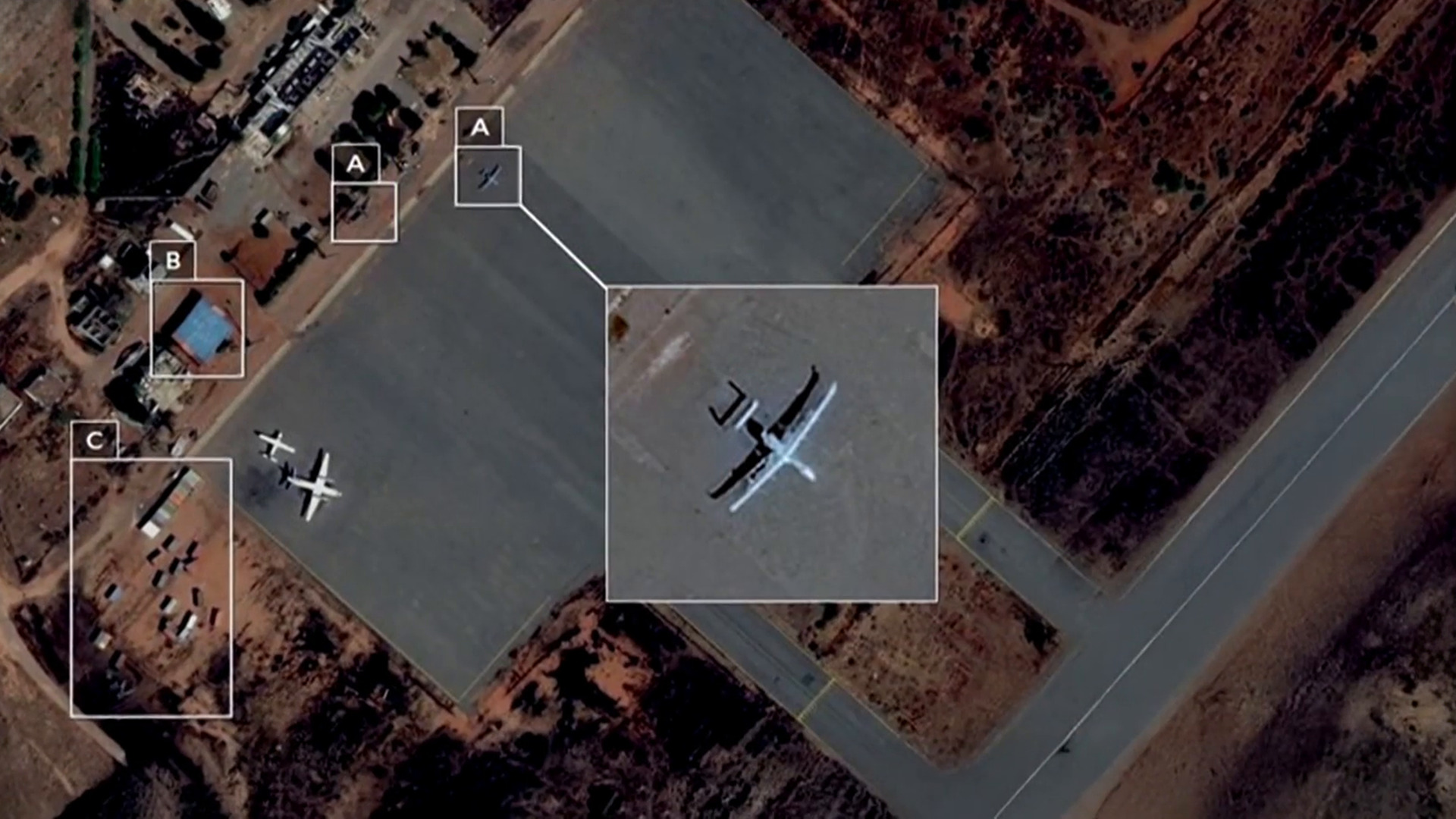
Satellite imagery has revealed the presence of various drone models originating from China. This raises the possibility that the RSF is obtaining these systems through countries with established arms trade relationships with China, despite the typical stipulations governing the use of such weaponry. While direct sales from China are less likely due to international regulations, indirect procurement routes are plausible.
Additionally, reports indicate that the RSF has received modified drones from Serbia. Furthermore, the Wagner Group, a Russian private military company, provided support to the RSF from 2023 until mid-2024, likely including expertise and potentially equipment related to drone warfare. This diverse sourcing highlights the RSF’s adaptability and willingness to leverage multiple international connections. The availability of الأسلحة بدون طيار (unmanned weapons) on the global market is a key factor in this dynamic.
القدرات الاستخباراتية والاستطلاعية للطائرات المسيرة (Intelligence and Reconnaissance Capabilities of Drones)
Beyond their offensive capabilities, drones provide the RSF with invaluable intelligence, surveillance, and reconnaissance (ISR) assets. These systems can gather information and conduct surveillance over distances of 10 to 15 kilometers, offering a significant advantage in understanding enemy movements and identifying potential targets. This intelligence gathering is a critical component of their overall strategy.
The RSF’s operational range now exceeds 1600 kilometers, a figure Al-Falahi emphasizes as indicative of their “significant capabilities.” This expansive reach allows them to monitor vast areas and project power across a considerable portion of Sudan.
السيناريوهات المستقبلية لحرب الطائرات المسيرة في السودان (Future Scenarios of Drone Warfare in Sudan)
The future of the conflict in Sudan is increasingly intertwined with the use of drones. Several factors will determine the trajectory of this “drone war.” Firstly, continued external support for the RSF, providing access to advanced technologies and training, will be crucial. Secondly, the RSF’s ability to integrate drone operations with their existing ground forces, utilizing them as a force multiplier for fire support and tactical advantage, will be paramount.
Furthermore, the RSF could strategically employ الطائرات بدون طيار (drones) to disrupt SAF supply lines, hindering their ability to sustain operations. The intelligence gathering capabilities of drones will also remain a vital asset, allowing the RSF to anticipate and counter SAF movements.
الأزمة الإنسانية وتأثير الصراع (The Humanitarian Crisis and the Impact of the Conflict)
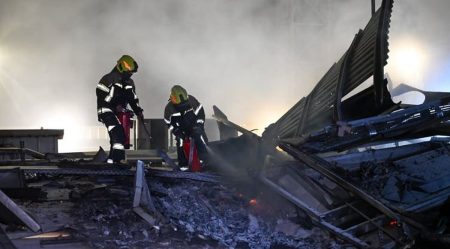
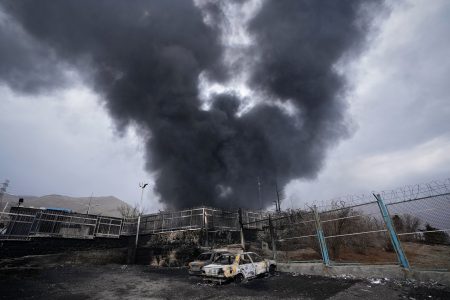
The war in Sudan, which erupted on April 15, 2023, between the SAF and the RSF, has resulted in a devastating humanitarian crisis. Tens of thousands have been killed, and over 10 million people have been displaced, including hundreds of thousands injured. The escalating use of drones, while altering the military landscape, also contributes to the overall instability and suffering of the civilian population. The increased range and precision of these weapons raise concerns about collateral damage and the targeting of civilian infrastructure.
الخلاصة (Conclusion)
The increasing sophistication and deployment of طائرات مسيرة في السودان by the Rapid Support Forces represent a significant development in the ongoing conflict. Driven by external support and access to a global market for unmanned systems, the RSF has transformed from a recipient of drone strikes to an active perpetrator. The future of the war will likely be shaped by the continued availability of these technologies and the RSF’s ability to effectively integrate them into their overall military strategy. Understanding these dynamics is essential for any analysis of the Sudanese conflict and for seeking potential pathways towards a peaceful resolution. We encourage readers to stay informed about the situation in Sudan and to support organizations providing humanitarian aid to those affected by the crisis.