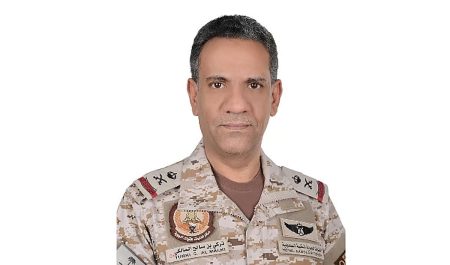





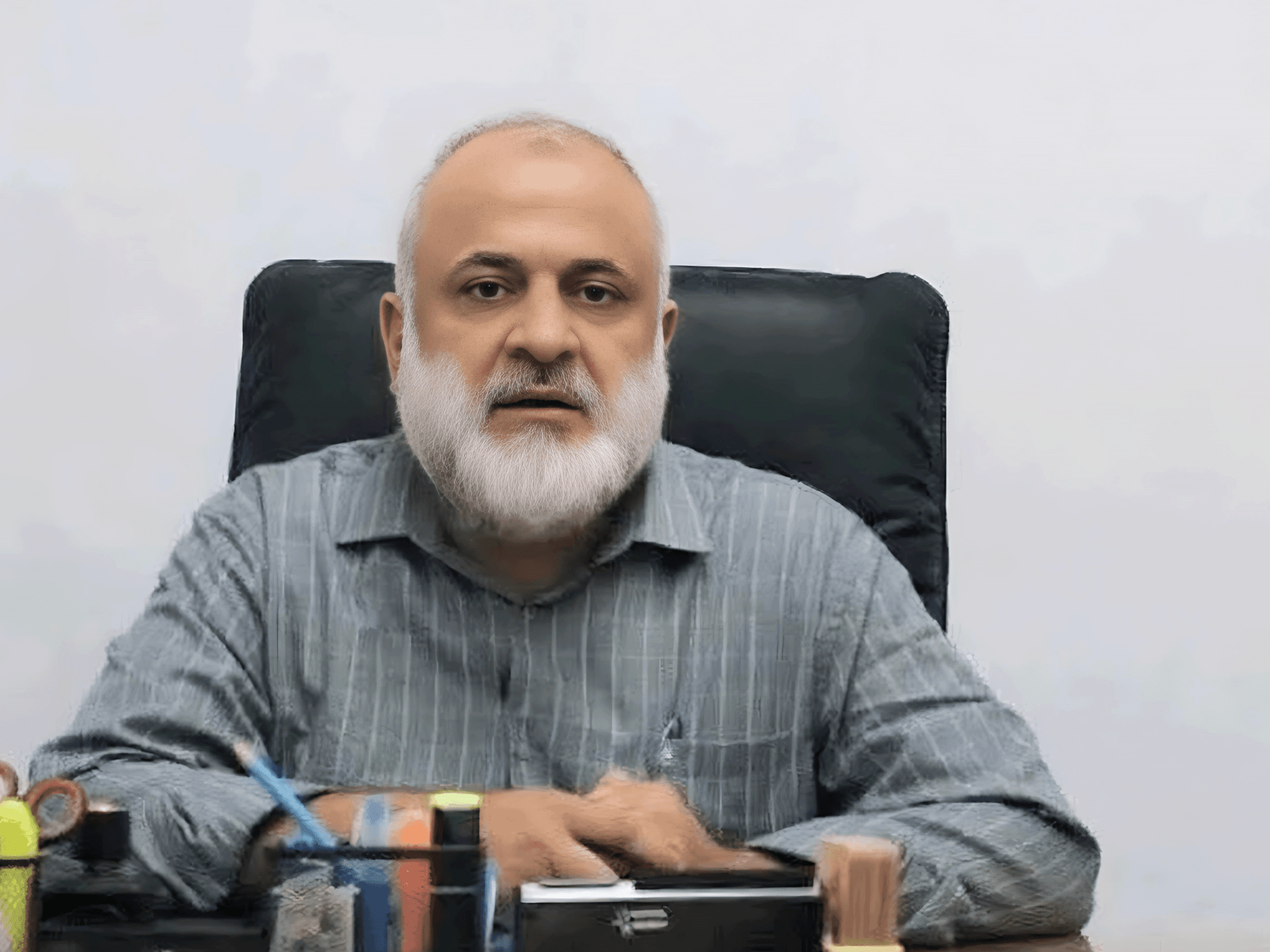
The recent assassination of Raed Saad, a prominent commander in Hamas’s military wing, the Qassam Brigades, has dramatically escalated tensions in Gaza, despite the existing ceasefire agreement. This event, occurring on December 13, 2025, raises serious questions about Israel’s commitment to the truce and signals a potentially new phase in the ongoing conflict. This article delves into the details of the assassination of Raed Saad, the Israeli narrative surrounding it, and the implications for the security landscape in Gaza.
تفاصيل عملية الاغتيال: How the Assassination Unfolded
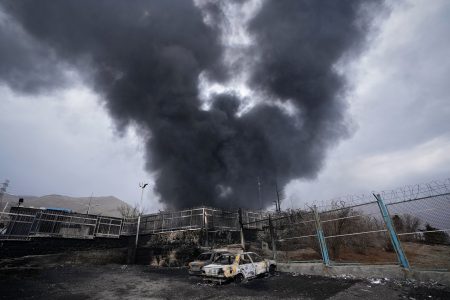
According to the Israeli Occupation Forces (IOF), Raed Saad was killed in a targeted strike on a civilian vehicle traveling along the coastal road southwest of Gaza City. The IOF claimed the operation was a response to a breach of the ceasefire, alleging an explosive device was detonated earlier in the day targeting Israeli soldiers within Gaza. However, this claim was quickly contested by Israeli media itself. Channel 12 reported that the assassination was opportunistic, exploiting a favorable situation to eliminate Saad without any direct connection to a ceasefire violation.
The operation was dubbed “quick meal” by the IOF, highlighting the swiftness with which they acted upon identifying Saad. He was considered the second-in-command of the Qassam Brigades, following the lead of Mohammed Deif. After more than 35 years of pursuit, Israel has finally succeeded in reaching him, having survived numerous previous assassination attempts.
من هو رائد سعد؟: Who Was Raed Saad?
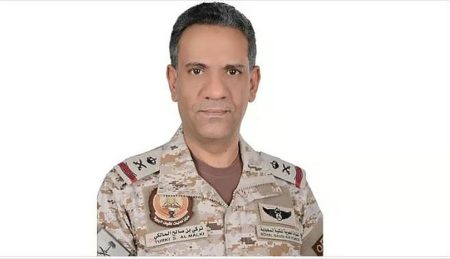
Raed Hussein Saad was born on August 15, 1972, in the Al-Shati refugee camp west of Gaza City. He joined Hamas early in his life and became a target of the occupation forces with the outbreak of the First Intifada in 1987. He endured multiple arrests throughout his involvement with the movement.
Despite his imprisonment, Saad continued his education, earning a Bachelor’s degree in Sharia (Islamic Law) from the Islamic University in 1993 while incarcerated. He remained active within the Islamic Bloc, the student wing of Hamas. He later obtained a Master’s degree in Sharia from the same university in 2008.
Saad’s early involvement focused on military operations, working alongside veteran Qassam commanders like Saad Al-Arabeed. He is considered one of the last remaining figures from the generation of operatives active during the Al-Aqsa Intifada, which began in 2000. He rose through the ranks, becoming the commander of the Northern Gaza Brigade in 2007 and playing a key role in establishing and training the Qassam Brigades’ naval forces in Gaza. From 2012 to 2021, Saad served on a small military council alongside Deif and Marwan Issa, overseeing operations within the Gaza Strip.
دور سعد في طوفان الأقصى: Saad’s Role in Operation Al-Aqsa Flood
Israel alleges that Saad was responsible for the operational planning of the recent war, specifically overseeing two strategic steps that formed the basis for the execution of Operation Al-Aqsa Flood. These steps were the creation of elite units within the Qassam Brigades and the development of the “Jericho Wall” plan, aimed at decisively defeating the Israeli Gaza Division.
During the recent conflict, the IOF even claimed to have arrested Saad during a raid on Al-Shifa Medical Complex in March 2024, publishing his photograph amongst a group of detainees. However, they later admitted the inclusion was an error, indicating a significant weakness in their intelligence regarding Saad’s whereabouts and activities. Furthermore, Saad reportedly survived several assassination attempts during the war, including a strike on a residential area in Al-Shati camp in May 2024. The IOF offered a reward of $800,000 for information leading to his capture.
الإعلام الإسرائيلي والاغتيال: Israeli Media Coverage of the Assassination
The Israeli army reportedly searched for Raed Saad for a very long time, attempting to assassinate him twice in the past two weeks, but without success. Once he was identified on Saturday evening while traveling in a vehicle with his bodyguards, the raid was immediately carried out. The differing narratives – the official claim of responding to a ceasefire breach versus the Channel 12 report of an opportunistic strike – highlight the internal complexities within the Israeli security apparatus and the potential for manipulating information. This assassination has sparked debate about the true intentions behind Israel’s actions.
واقع أمني جديد: A New Security Reality
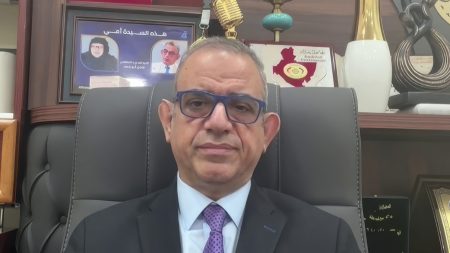
The assassination of Raed Saad, a prominent military figure within the Palestinian resistance, while a ceasefire was in effect, has led security analyst Rami Abu Zbeida to believe that Israel does not view the truce as a cessation of hostilities, but rather as a different operational phase. He argues that the recent assassinations and targeted strikes demonstrate that the war has not ended, but has been recycled into a pattern of intermittent strikes and conflict management.
Abu Zbeida points out that Israel consistently fabricates justifications for its aggression, framing it as a defensive response. However, he describes this as a transparent attempt to redefine what constitutes a breach of the ceasefire, turning any security incident or fabricated event within the “yellow line” into a pretext for assassination. He believes Israel is attempting to establish a new equation: “ceasefire does not mean security,” reserving the right to strike at will and imposing unilateral rules of engagement that grant it freedom of operation in the air and intelligence sectors without political or legal obligations.
These limited strikes, Abu Zbeida explains, are not solely aimed at inflicting immediate losses but also at maintaining the initiative and preventing the resistance from transitioning from a phase of steadfastness to one of recovery and reorganization. The intensified intelligence efforts suggest Israel is using the period of calm to update its target bank in preparation for future rounds of conflict, evidenced by the continued operation of air force and drone units and the full capacity of military intelligence.
The most dangerous scenario, according to Abu Zbeida, is the normalization of this pattern of extrajudicial killings, where swift strikes become a permanent feature of the Gaza security landscape. This would effectively entrench a new reality of constant ceasefire violations and a continuous cycle of violence, lacking a time limit or genuine guarantees. The implications of this targeted killing are far-reaching and demand careful consideration from all parties involved.