





The ongoing conflict in Ukraine continues to escalate, with recent developments including attacks on Russian territory, intensified fighting in eastern Ukraine, and a crucial international meeting in Paris aimed at solidifying future security guarantees for Kyiv. This article will delve into the latest events, focusing on the Ukraine war and the diplomatic efforts to potentially bring it to an end, while acknowledging the significant obstacles that remain. The situation remains volatile, demanding close attention from the international community.
Recent Escalations: Attacks and Counter-Attacks
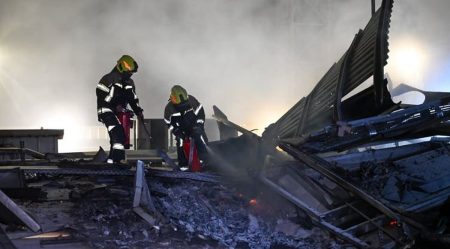
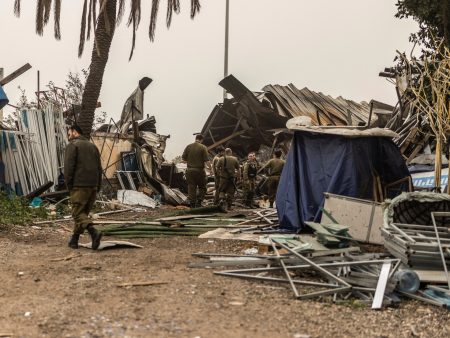
The past 24 hours have witnessed a worrying increase in attacks on both sides of the conflict. Reports from Russia indicate Ukrainian drone attacks have disrupted railway traffic in the Bryansk region, a border area. Governor Alexander Bogomaz stated that infrastructure sustained minor damage, but thankfully, no casualties were reported. Simultaneously, Ukrainian authorities have reported three deaths and several injuries resulting from Russian shelling in the Zaporizhzhia, Donetsk, and Kherson regions.
Further north, in the Tver region near Moscow, a civilian was killed and two others injured in a drone strike targeting a residential building. Another incident in the Bryansk region saw two drivers wounded when their vehicles were hit by drones. These attacks on Russian soil, while relatively limited in scope, represent a notable escalation and a shift in the dynamics of the Ukraine war.
Ukrainian Claims of Russian Targeting of US Companies
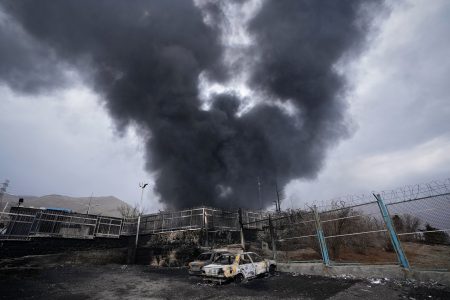
Ukraine has accused Russia of deliberately targeting companies with American ties. Specifically, Ukrainian Foreign Minister Andriy Sybiha highlighted an attack on a sunflower oil depot in Dnipro, which he attributed to a Russian strike and linked to the US agricultural products firm, Bunge. This claim, if substantiated, could further complicate international relations and potentially draw more direct involvement from the United States, even if only in the form of increased support. The incident underscores the growing concerns about the protection of foreign investments within Ukraine during the ongoing hostilities. This situation is fueling discussions about the need for stronger security assurances.
Paris Summit: Forging Security Guarantees for Ukraine
A pivotal meeting is currently underway in Paris, bringing together leaders and diplomats from over 27 allied nations. The core objective of this summit, dubbed the “Coalition of Willing,” is to finalize the details of future security guarantees for Ukraine. These guarantees are intended to provide Kyiv with a degree of reassurance should a ceasefire or peace agreement with Russia be reached. The aim is to deter future aggression and ensure Ukraine’s long-term security.
The Ukrainian President, Volodymyr Zelenskyy, is participating in the talks, alongside high-profile representatives from the United States, including Steve Witkoff, a special envoy for former President Donald Trump, and Jared Kushner, Trump’s son-in-law. The presence of these figures suggests a continued, albeit potentially evolving, US interest in the resolution of the Ukraine war.
Focus on Multinational Force and Binding Commitments
Discussions in Paris are reportedly centered around establishing a multinational force to support Ukraine in the event of a renewed attack. This force would operate in coordination with Ukrainian forces and with the backing of the United States. Furthermore, diplomats are seeking to agree on legally binding commitments from participating nations, outlining their responsibilities should Ukraine’s security be threatened again. These commitments are crucial for building trust and providing a credible deterrent against future Russian aggression. The concept of a robust security architecture is central to the ongoing negotiations.
Obstacles to Peace: Territorial Disputes and Continued Fighting
Despite the intensified diplomatic efforts, significant hurdles remain in the path towards a peaceful resolution. Russia has shown little indication of being willing to accept the current proposals on the table, with the issue of territorial control remaining a major sticking point. The status of Crimea and the Donbas region continues to be a source of deep disagreement between the two sides.
Moreover, the intensity of the fighting shows no sign of abating. Ukrainian officials reported that Russia launched five missile attacks on Kharkiv on Monday, causing damage to energy infrastructure. This ongoing violence underscores the difficulty of achieving a lasting ceasefire in the current environment. The conflict in Ukraine is deeply entrenched, and a breakthrough appears unlikely without significant concessions from both sides. The situation is further complicated by the involvement of various external actors and the complex geopolitical dynamics at play. The need for de-escalation and a return to meaningful negotiations is paramount.
The Path Forward: A Long and Uncertain Road
The Paris summit represents a crucial step in the ongoing efforts to secure a future for Ukraine. However, the road ahead remains long and uncertain. While the commitment to providing security guarantees is a positive development, the success of these efforts will ultimately depend on Russia’s willingness to engage in genuine negotiations and to respect Ukraine’s sovereignty and territorial integrity.
The international community must continue to exert pressure on Russia to de-escalate the Ukraine war and to abide by international law. Furthermore, sustained support for Ukraine, both militarily and economically, is essential to ensure its ability to defend itself and to rebuild its shattered infrastructure. The situation demands continued vigilance, diplomatic engagement, and a unwavering commitment to finding a peaceful and just resolution to this devastating conflict.