

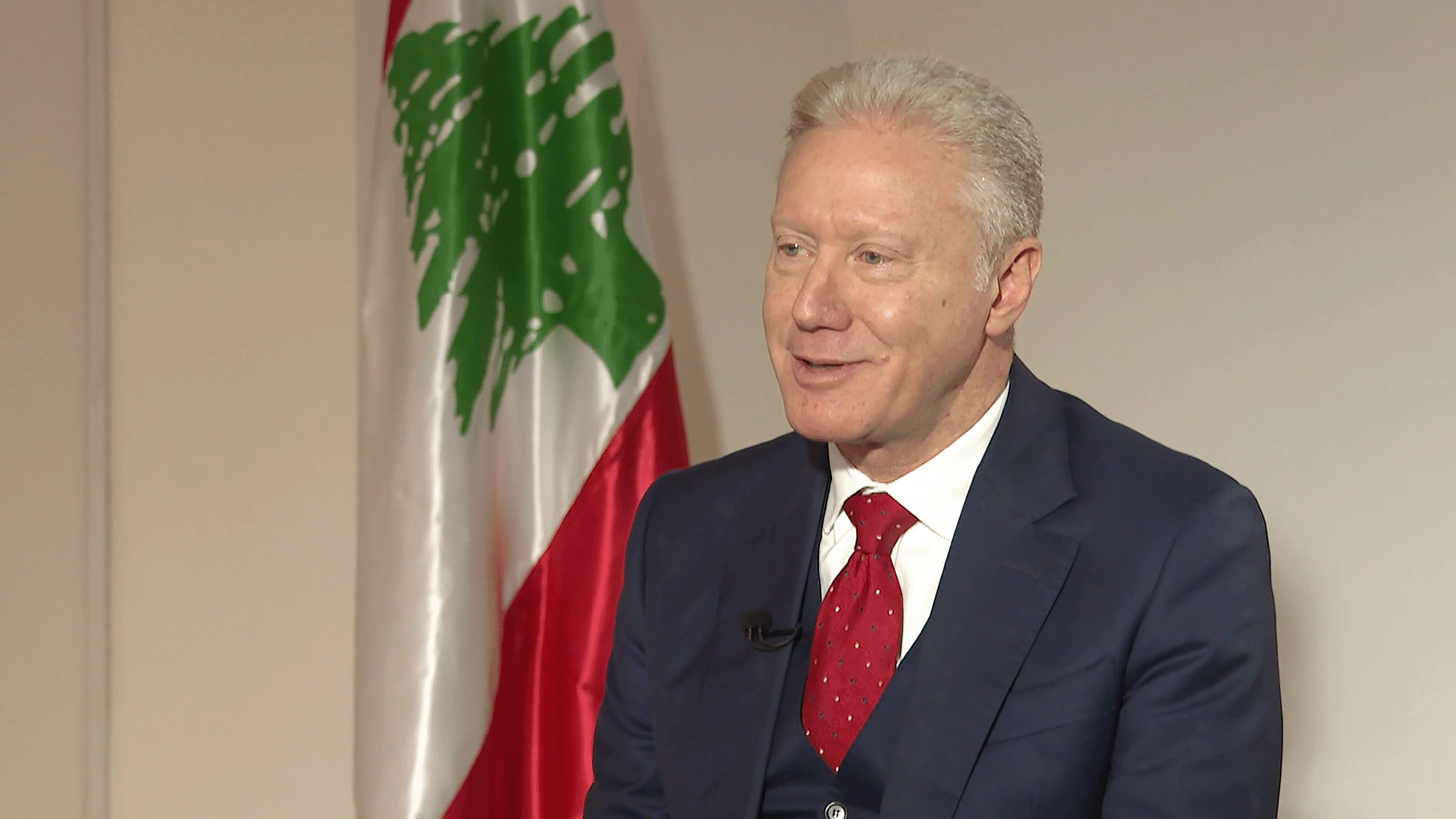
The recent statements by Lebanese Foreign Minister Youssef Ragi have ignited a firestorm of controversy and outrage across Lebanon. His assertion that Israel has the right to continue its attacks on Lebanese territory if Hezbollah’s weaponry isn’t fully contained has sparked a national debate, raising fundamental questions about sovereignty, national unity, and the ongoing conflict. This article delves into the details of the تصريحات يوسف رجي (Youssef Ragi’s statements), the reactions they provoked, and the broader context of the fragile ceasefire and the issue of Hezbollah’s arms.
موجة غضب بسبب تصريحات وزير الخارجية (Wave of Anger Over the Foreign Minister’s Statements)
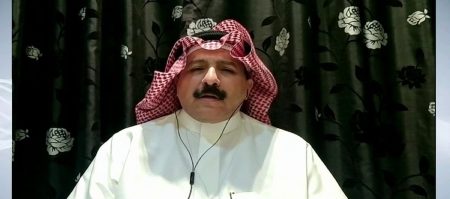
Minister Ragi made the contentious remarks during a televised interview on Sky News Arabia. He stated that the ceasefire agreement accepted by the Lebanese government was predicated on the complete disarmament of Hezbollah, and that, “Unfortunately, as long as the weapon is not contained, Israel has the right to complete its attacks.” This statement was widely interpreted as a justification for Israeli strikes, a position that many Lebanese citizens found deeply offensive and damaging to national interests. The timing of the statement, amidst continued Israeli violations of the ceasefire, further exacerbated the anger.
The immediate aftermath saw a surge of condemnation on social media platforms. The hashtag dedicated to tracking the reaction, monitored by Al Jazeera Mubashir, quickly became a trending topic, filled with expressions of shock, disbelief, and anger. Many questioned how a government minister could seemingly legitimize attacks on Lebanese soil.
تساؤلات حول الاتفاق مع إسرائيل (Questions About the Agreement with Israel)
The core of the debate revolves around the nature of the ceasefire agreement and the extent of Hezbollah’s disarmament obligations. Many citizens are demanding clarity on the specifics of the deal, particularly regarding the reciprocal commitments made by Israel.
Several commentators expressed skepticism about the agreement’s enforceability and Israel’s intentions. George, in a widely shared comment, questioned the guarantee of safety even after disarmament, stating: “Is the agreement really like this? But who guarantees that even if the weapon is surrendered, Israel won’t attack? We all know it doesn’t need a pretext. And why didn’t you mention that Israel also hasn’t committed to the agreement and withdrew within the 60-day deadline? The five points became seven, and that certainly isn’t about the weapon… Why not a word about the army using this weapon?” This highlights a deep-seated distrust of Israel and concerns about the potential for continued aggression regardless of Hezbollah’s actions.
Youssef echoed these concerns, demanding transparency from the government: “Is this statement true or not? As Foreign Minister, he must speak on behalf of the Lebanese government, and the President, Prime Minister, and the majority of ministers must have approved it. Does the agreement really say that Hezbollah must surrender all its weapons to the Lebanese state in order to stop the attacks? This statement is unclear to many Lebanese people. Who is hiding this clarification and why?”
دفاع عن موقف الحكومة (Defense of the Government’s Position)
Despite the widespread criticism, some voices defended Minister Ragi’s position, arguing that it simply reflected the official stance of the Lebanese state. Sharbli asserted that the political path was clear from the beginning: “They elect a President whose speech clearly favors the state’s monopoly on weapons, and they participate in a government whose ministerial statement and the President’s positions are decisive on the exclusivity of weapons. They agree to a ceasefire agreement that stipulates the dismantling of their military structure. All of this, and they are shocked by the positions of the Foreign Minister, who is expressing the official position of the state.” This perspective frames the minister’s statements as a logical consequence of the government’s stated policy.
سابقة خطيرة وتأثيرها على الجنوب (A Dangerous Precedent and its Impact on the South)
However, many view the statements as a dangerous precedent, effectively giving Israel a green light to continue its military operations. Hala Jaber strongly criticized the minister, stating: “A Lebanese official, and not just any official but the Foreign Minister, gives Israel the green light to continue striking his country? Instead of protecting his country, he simply repeats what the enemy says.” This sentiment underscores the perceived betrayal of national duty and the prioritization of external pressures over the safety and security of Lebanese citizens.
The most scathing critique came from researcher Omar Nashabe, who argued that the statements sent a chilling message to residents of targeted areas: “No country in the world has its Foreign Minister justify to a hostile foreign power the killing of its citizens for any reason. The message from this minister, and his government and president, to our people in the South, Bekaa, and the Southern Suburbs is clear: the Israeli enemy has the right to kill you, kill your children, displace you, and destroy your homes… and you must remain silent.” This highlights the fear and vulnerability felt by those living in areas frequently subjected to Israeli attacks. The تصريحات يوسف رجي are seen as abandoning these communities.
الوضع الحالي والانتهاكات المستمرة (Current Situation and Ongoing Violations)
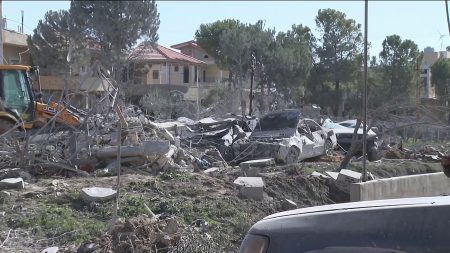
On August 5, 2025, the Lebanese government officially acknowledged the need to limit weapons possession to the state, including those held by Hezbollah. Despite this, Israel continues to violate the ceasefire agreement established in November 2024, resulting in hundreds of casualties and injuries. Furthermore, Tel Aviv continues to occupy five Lebanese hills seized during the recent conflict, alongside other territories occupied for decades. This ongoing aggression casts a long shadow over the debate surrounding the تصريحات يوسف رجي and the future of Lebanon’s security. The issue of السيادة اللبنانية (Lebanese sovereignty) remains paramount. The need for a comprehensive and just resolution to the conflict, ensuring the full withdrawal of Israeli forces and respecting Lebanon’s territorial integrity, is more urgent than ever. The سلاح حزب الله (Hezbollah’s weaponry) is a complex issue intertwined with Lebanon’s security concerns and regional dynamics.
In conclusion, Youssef Ragi’s statements have opened a Pandora’s Box of controversy in Lebanon. While some defend them as reflecting the government’s official policy, the overwhelming majority view them as a dangerous betrayal of national interests and a justification for Israeli aggression. The ongoing violations of the ceasefire and the unresolved issue of occupied territories only amplify these concerns. The debate underscores the urgent need for a clear and unified national strategy to address the challenges facing Lebanon, protect its sovereignty, and ensure the safety and security of its citizens. Further discussion and transparency from the government are crucial to rebuilding trust and navigating this delicate situation.