




The situation in Gaza remains incredibly fragile, even as a temporary ceasefire holds. Recent reports indicate a disturbing escalation of violence, with Palestinian casualties reported following Israeli fire in various areas of the Gaza Strip. These developments raise serious concerns about the sustainability of the current truce and the ongoing humanitarian crisis. This article will delve into the details of the latest events, the international response, and the deepening challenges faced by the people of Gaza. We will focus on the Gaza ceasefire, examining its breaches and potential for collapse.
Escalation of Violence Despite the Gaza Ceasefire
Despite a hard-won agreement for a cessation of hostilities that began on October 10th, the reality on the ground is far from peaceful. The past 24 hours have witnessed a renewed increase in Israeli military activity, leading to tragic loss of life. Sources within Gaza hospitals have confirmed the deaths of five Palestinians due to Israeli fire in Jabalya and Beit Lahiya, both located in the northern part of the Strip. Early reports indicated three deaths near the “Yellow Line” in Beit Lahiya, highlighting the dangers even in designated safe zones.
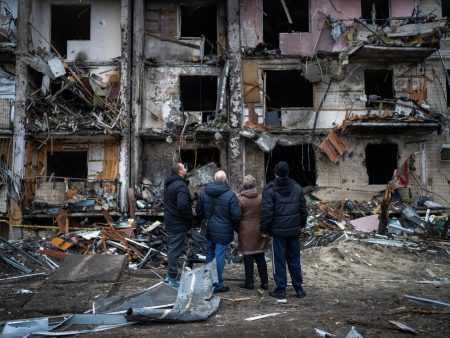
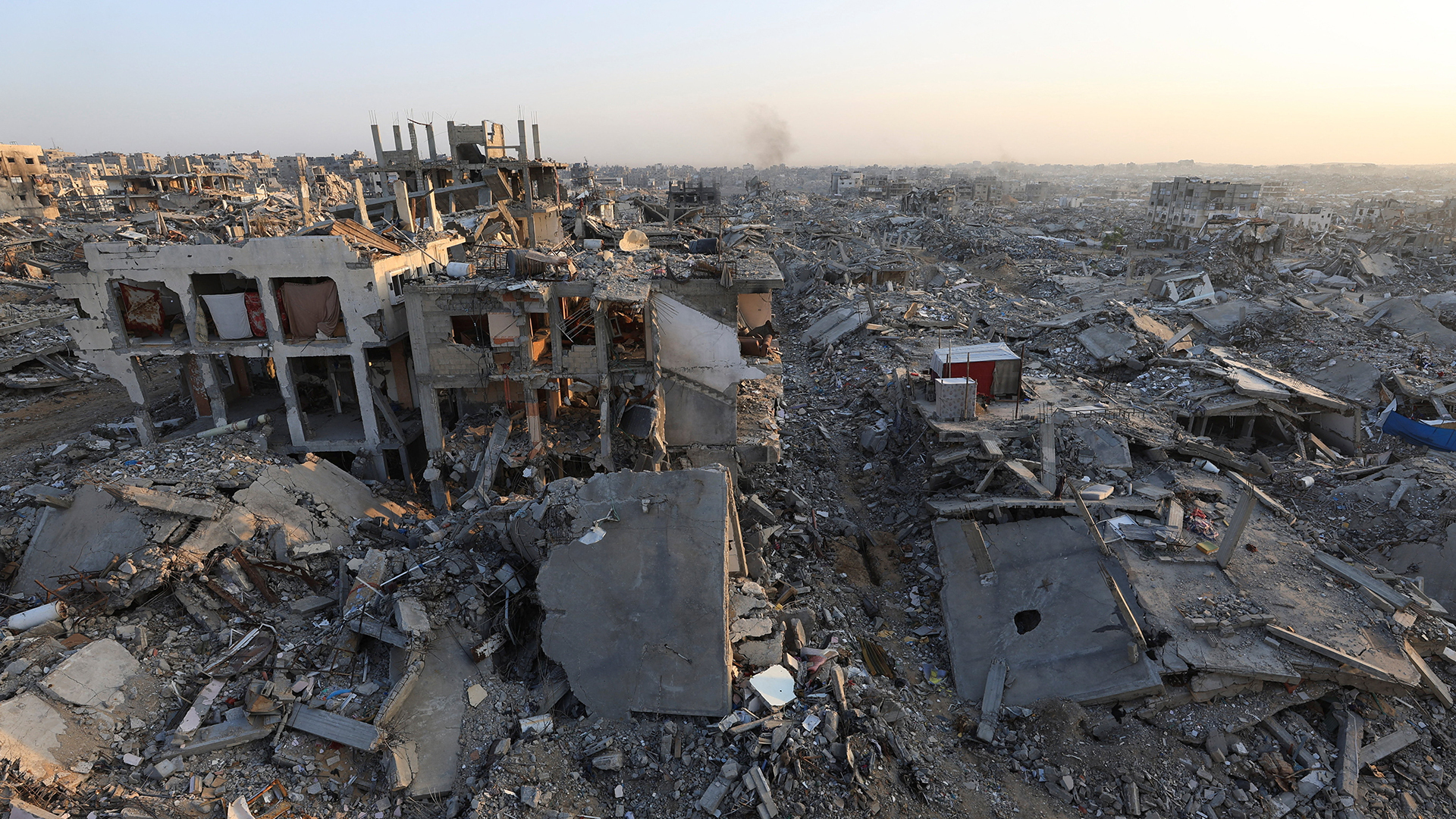
The violence isn’t limited to direct gunfire. Israeli fighter jets have launched repeated airstrikes targeting areas east of Rafah and Khan Yunis in the south, coupled with artillery shelling around Khan Yunis and Gaza City in the north. Eyewitness accounts describe Israeli vehicles opening fire with machine guns towards the northeast of Khan Yunis. Moreover, reports mention the demolition of residential buildings in the Al-Tuffah neighborhood of Gaza City and Beit Lahiya in the north, and even within the Al-Bureij camp in the central Gaza Strip. Illumination flares have been deployed by Israeli forces east of Gaza City, further compounding the atmosphere of fear and instability. A single airstrike was also reported near the Al-Maghazi camp in the central Gaza Strip, though details regarding casualties remain unclear.
Israeli Operations and Conflicting Reports
Israeli media reports suggest that explosions heard in central Israel were a result of controlled demolitions carried out by the military within the Gaza Strip. This claim, if verified, indicates a deliberate escalation of activity, even while the Gaza ceasefire is technically in effect.
In the Shuja’iyya district east of Gaza, reports confirm the demolition of buildings within the “Yellow Line.” Simultaneously, two Palestinians were injured by an Israeli drone strike in the Al-Falouja area of Jabalya refugee camp. The artillery also targeted Shuja’iyya late Friday, accompanied by heavy drone activity. These incidents paint a grim picture of ongoing military pressure despite the agreed-upon pause in fighting.
International Concerns and the Rafah Crossing
The escalating violence coincides with growing discussions surrounding the potential transition to a second phase of the ceasefire agreement, which includes more comprehensive terms. Eight Arab and Islamic nations have jointly emphasized the urgent need for full implementation of the plan proposed by former US President Donald Trump, specifically focusing on the complete and unobstructed opening of the Rafah crossing in both directions. They have also firmly rejected any attempts to forcibly displace the population of Gaza beyond its borders.
Foreign ministers from Qatar, Saudi Arabia, Jordan, Egypt, the UAE, Turkey, Indonesia, and Pakistan have voiced their anxieties regarding Israeli statements hinting at opening Rafah crossing unilaterally, to facilitate only the exit of Palestinians towards Egypt. They underscored their absolute opposition to any form of population transfer. The nations are also calling for a permanent cessation of hostilities, the unhindered entry of humanitarian aid, and the guarantee of freedom of movement for Gaza’s residents.
A US official has suggested that an international stabilization force could become a reality in early next year, contingent upon the full execution of the agreement. The situation at Rafah remains a key point of contention.
The Collapsing Health System and Humanitarian Crisis
The ongoing violence and restrictions have exacerbated the already dire humanitarian situation in Gaza. Medical sources report a disturbing rise in the number of children born with rare congenital abnormalities, linked to the breakdown of the healthcare system and widespread malnutrition stemming from the prolonged siege and recent hostilities.
According to the UN Office for the Coordination of Humanitarian Affairs (OCHA), 61% of Gaza’s healthcare facilities are currently non-operational, despite the reopening of 42 facilities – including four hospitals – since the beginning of the truce. OCHA also warns of increasing risks for people with disabilities, particularly in overcrowded shelters that lack basic necessities.
Furthermore, reports indicate that two-thirds of children under the age of five are not consuming sufficient nutritional rations, raising serious concerns about a worsening malnutrition crisis compounded by winter weather and the spread of infectious diseases. This highlights the critical need for sustained and increased humanitarian assistance. The stability of the Gaza ceasefire is inextricably linked to the ability to provide essential aid to the vulnerable population.
Looking Ahead: The Future of the Gaza Ceasefire
The recent escalation threatens to unravel the fragile peace established by the current Gaza ceasefire. The ongoing military operations and the lack of a consistently open Rafah crossing are deeply concerning. While international efforts are underway to solidify the agreement and address the humanitarian crisis, the path forward remains uncertain.
The full implementation of agreed-upon terms, including a permanent cessation of hostilities and the unimpeded flow of aid, is crucial. Continued monitoring of the situation and pressure on all parties to adhere to the ceasefire are essential to prevent a further deterioration of the situation and ensure the safety and well-being of the people of Gaza. A lasting solution will require addressing the root causes of the conflict and achieving a just and sustainable peace for all involved.