



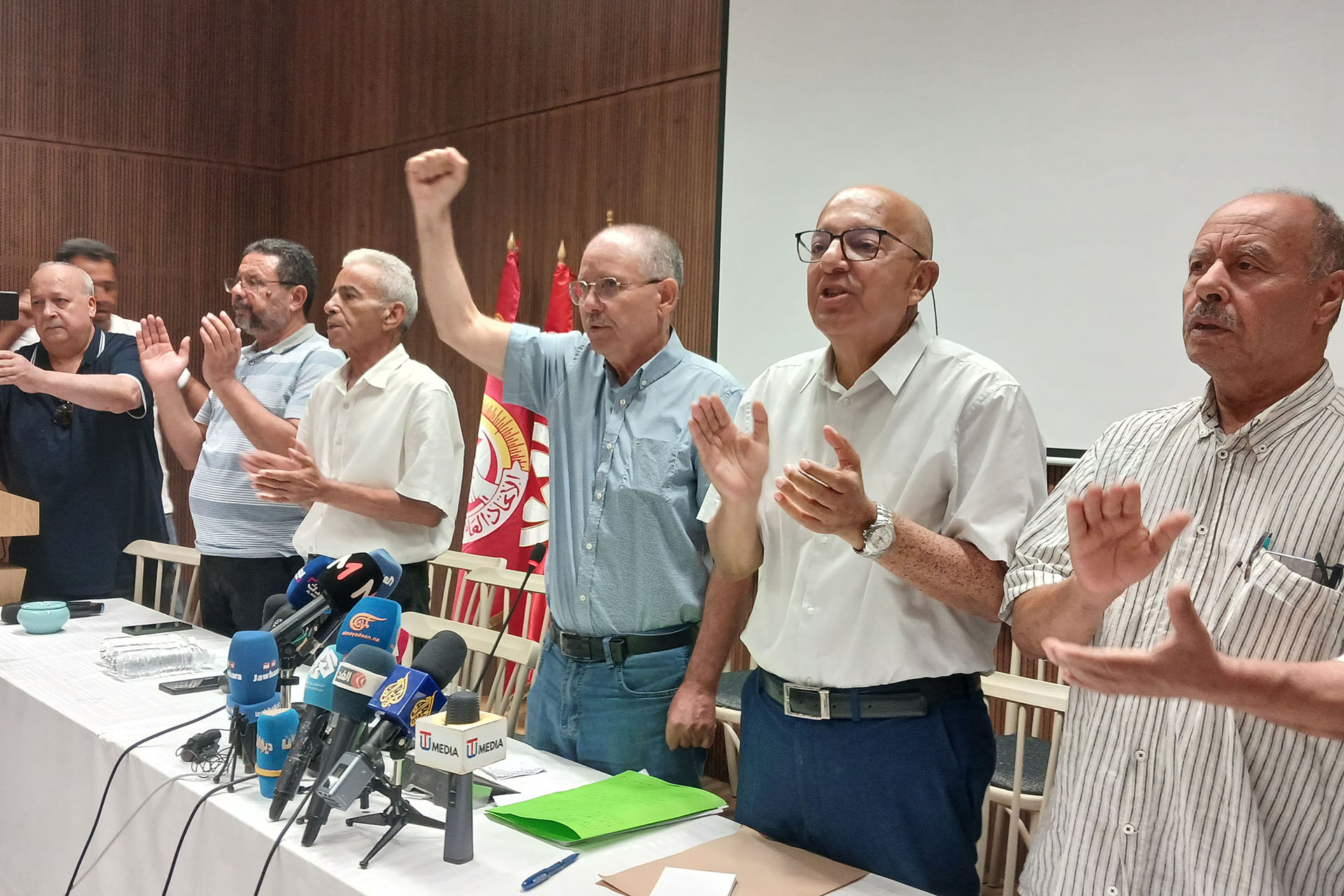
The resignation of Noureddine Taboubi, Secretary-General of the Tunisian General Labour Union (UGTT), on Tuesday has marked a significant turning point in the complex crisis facing the country’s largest trade union organization. This crisis is fueled by internal divisions and escalating tensions with the government led by President Kais Saied. The future of the اتحاد الشغل التونسي (UGTT), a historically powerful force in Tunisian society, now hangs in the balance.
استقالة نور الدين الطبوبي: منعطف حاسم في مسار الاتحاد (Noureddine Taboubi’s Resignation: A Decisive Turn in the UGTT’s Path)
Sami Tahri, the UGTT spokesperson, confirmed Taboubi’s resignation, which he has held since 2017, in a press statement yesterday. He indicated that the union’s structures will now deliberate on the matter. The resignation comes after days of speculation, triggered by deep disagreements within the Executive Bureau regarding the timing of the upcoming electoral conference. Some members advocate for holding the conference in March, while others propose postponing it until 2027. This internal struggle has created a highly charged atmosphere within the union.
أسباب الاستقالة والخلافات الداخلية (Reasons for the Resignation and Internal Disputes)
While no official reasons have been released, the difficulty of managing the internal conflicts within the UGTT is widely believed to be a major factor in Taboubi’s decision. The situation has become so fraught that continuing in his position was deemed unsustainable. A key point of contention stems from amendments made to Article 20 of the union’s internal regulations.
These amendments, approved at an extraordinary non-electoral conference in Sousse in July 2021, allowed for the possibility of extending the terms of leading officials, potentially enabling current leaders to run for a third or even more terms. This deviated from the original article, which limited the Executive Bureau’s term to five years, renewable only once. This change sparked significant division, with some members fiercely defending the democratic principle of holding an election in March, and others justifying a postponement to 2027, citing the overall political deadlock.
تصاعد التوتر بين الاتحاد والسلطة (Escalating Tension Between the Union and the Government)
Taboubi’s resignation arrives amidst a broader political impasse and open confrontation between the government and intermediary bodies, including political parties and organizations like the UGTT. The union has found itself increasingly marginalized, particularly in social negotiations, especially those concerning wage increases. The government, under President Saied, has effectively excluded the UGTT from these crucial discussions.
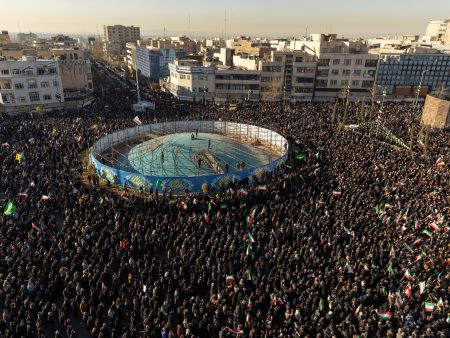
The union’s leadership had planned a general strike for January 21, 2026, to protest its exclusion from wage negotiations and the non-implementation of previous agreements. This strike, intended as a direct challenge to the government, is now potentially jeopardized by the leadership vacuum created by Taboubi’s departure. Some observers believe the resignation is a strategic move to avoid accountability, while others see it as a symptom of deeper issues within the الحركة النقابية (trade union movement).
تداعيات الاستقالة ومستقبل الاتحاد (Implications of the Resignation and the Future of the Union)
The immediate impact of Taboubi’s resignation is uncertainty. The internal regulations dictate a process where the relevant bodies must review the resignation – either approving it, rejecting it, or attempting to persuade Taboubi to reconsider. A meeting date has not yet been set, but the regulations require a response within 15 days.
Many are questioning the long-term consequences for this historic organization. Rumors of further resignations within the UGTT are circulating, raising concerns that the strike could be postponed or even cancelled. Such a move would likely weaken the union further and potentially open the door for government intervention and control. The situation is further complicated by the potential for a power struggle within the Executive Bureau.
ردود فعل متباينة وتحليلات مختلفة (Mixed Reactions and Diverse Analyses)
Initial reactions to Taboubi’s resignation have been varied. Some emphasize his personal qualities, noting that despite a limited academic background, he remained a union leader open to diverse ideologies and known for his conciliatory approach. Others view the resignation as a pivotal and potentially destabilizing moment in the UGTT’s history, after years of internal erosion and fractures. They fear it could pave the way for a leadership more aligned with the government, effectively ending a period of independence.
Pragmatic voices are calling for a swift and transparent process to fill the leadership void, urging the union to announce a clear roadmap for the upcoming conference and avoid a divisive succession battle that could further undermine its unity. There are also warnings about the potential disintegration of the UGTT, a vital institution that has played a crucial role in Tunisian public life since independence. Its weakening or internal collapse would have significant social and national repercussions. Conversely, some see the resignation as an opportunity to reform the union’s structures and restore its independence and transparency. The future of the النقابات التونسية (Tunisian unions) is undeniably at a crossroads.
In conclusion, Noureddine Taboubi’s resignation represents a critical juncture for the UGTT. The coming weeks will be decisive in determining whether the union can overcome its internal divisions, maintain its independence, and continue to play a meaningful role in Tunisian society. The situation demands careful consideration and a commitment to democratic principles to ensure the stability and future of this important institution. The unfolding events will undoubtedly be closely watched by both union members and the wider political landscape.