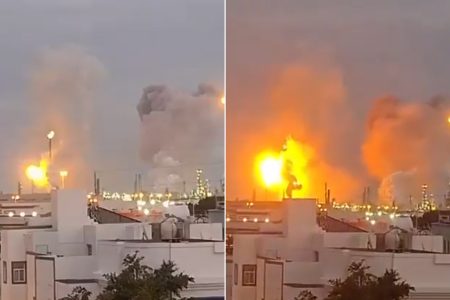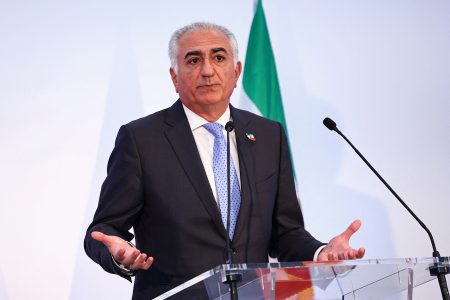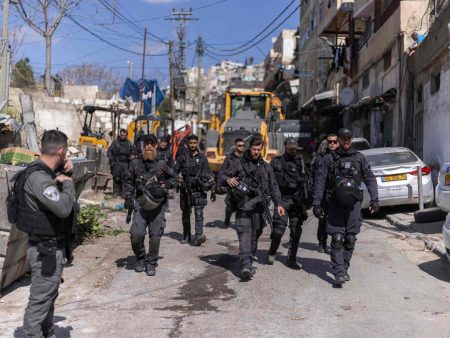



The recent military operation in the Sheikh Maqsoud and Ashrefieh neighborhoods of Aleppo, northern Syria, has sparked considerable debate and analysis. Understanding the complexities of this situation is crucial, especially given its potential implications for the Syrian state and the broader regional landscape. This article delves into an analysis provided by Brigadier General Elias Hanna, a military and strategic expert, exploring the necessity, challenges, and strategic dimensions of this operation, focusing on the term “العملية العسكرية في حلب” (the military operation in Aleppo).
أهمية العملية العسكرية في حلب: استعادة السيادة وتحدياتها (The Importance of the Military Operation in Aleppo: Restoring Sovereignty and Its Challenges)
Brigadier General Hanna emphasizes that the العملية العسكرية في حلب is a necessary step for the Syrian government to reassert its sovereignty. The target area isn’t solely comprised of members of the Syrian Democratic Forces (SDF), often referred to as “QSD” in Arabic. It’s a diverse population of around 200,000 Syrian civilians, representing a multitude of ethnicities, religions, and sects. This demographic reality introduces significant complexities into the military undertaking, making it far more than a simple confrontation with an armed group.
The core issue, according to Hanna, is the failure to implement the agreement reached on March 10th between the SDF and the Syrian government. Despite months having passed, the terms have remained largely unfulfilled, prompting Damascus to take matters into its own hands. The neighborhoods of Sheikh Maqsoud and Ashrefieh, geographically isolated, present a contained area for the operation, differentiating it from a broader, nationwide conflict.
عزل المنطقة واستراتيجية التقدم البطيء (Isolating the Area and the Strategy of Slow Advance)
The initial phase of the العملية العسكرية في حلب focuses on isolating the target area. This involves gaining control of the Castello Road and the surrounding hills, which range in height from 20 to 45 meters. This strategic positioning aims to cut off potential military or logistical support from the SDF in eastern Euphrates.
However, Hanna cautions that the operation will likely be slow-paced. Both sides possess intimate knowledge of the terrain, streets, and buildings within the neighborhoods. This familiarity necessitates a deliberate approach, prioritizing pressure on the SDF fighters to encourage concessions and ultimately, a withdrawal towards eastern Euphrates. The Syrian army’s capabilities, currently described as “modest” – including tanks, artillery, and helicopters – are not intended for deployment within densely populated civilian areas.
تحديات ميدانية ومعضلة السكان المدنيين (Field Challenges and the Dilemma of the Civilian Population)
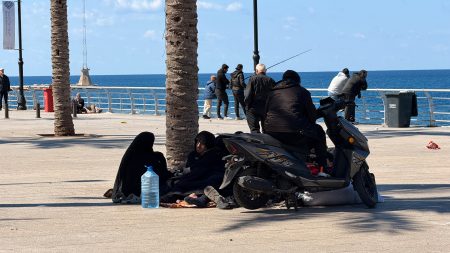
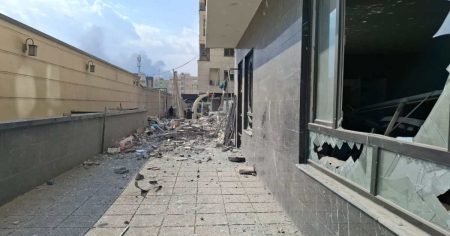
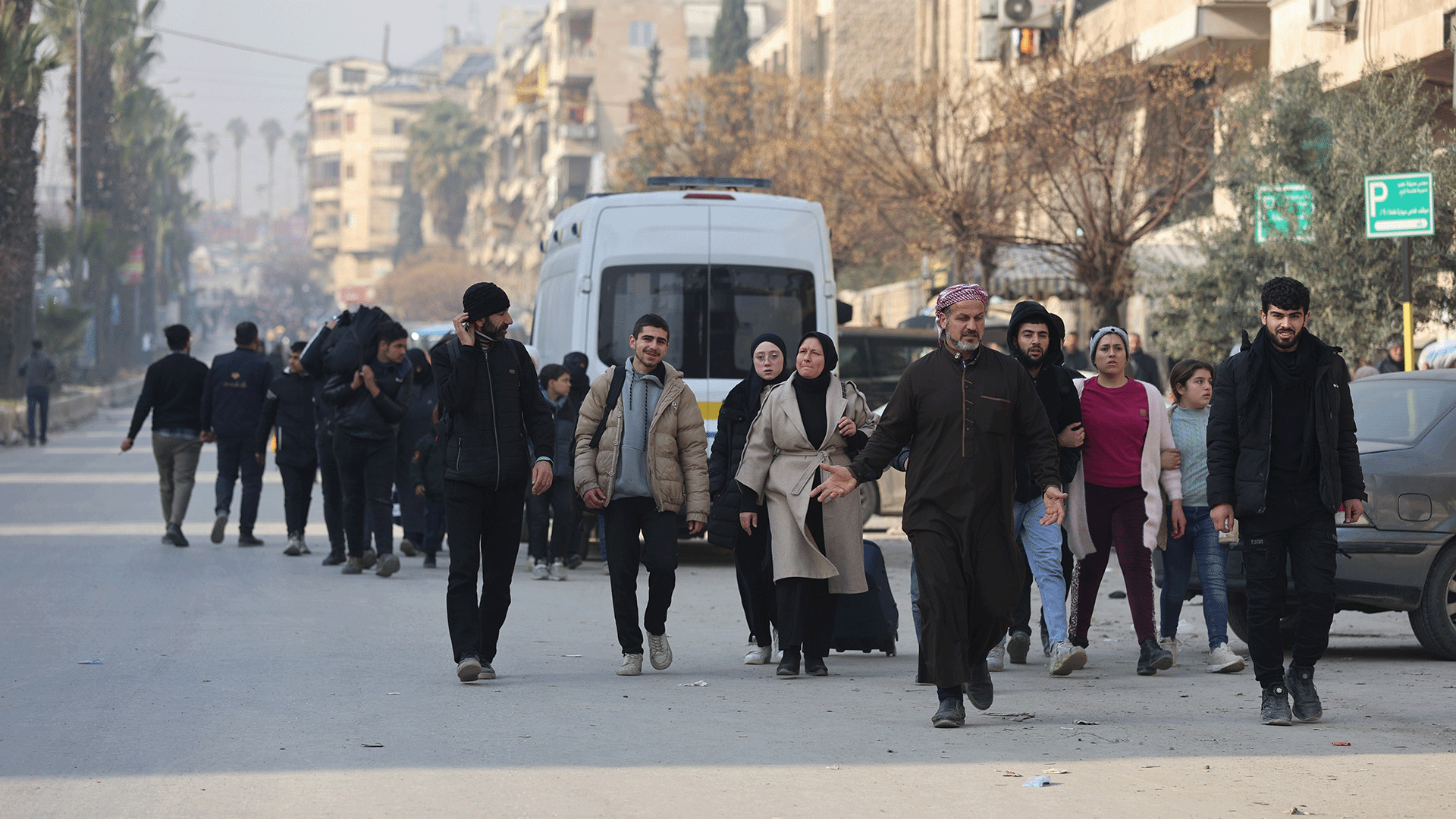
A major challenge facing the Syrian army is the sheer number of civilians residing within the approximately 4 square kilometer area. Dealing with a population estimated between 150,000 and 200,000 presents a significant hurdle. The government recognizes these individuals as Syrian citizens, creating a difficult situation where they are effectively caught between the army and armed groups. This presents a moral and practical dilemma, as engaging in combat within such a densely populated area carries a high risk of civilian casualties.
Hanna highlights the dangers of prolonged conflict in urban areas, emphasizing that “time and attrition” are the worst-case scenarios. A drawn-out battle would damage the Syrian state’s credibility and hinder its ability to negotiate effectively, presenting itself as capable of controlling and safeguarding its own territories. The President’s earlier order to halt fire, following initial clashes, is indicative of a continued preference for negotiation and a diplomatic resolution. The ongoing العملية العسكرية في حلب is designed to exert pressure and encourage a peaceful outcome.
البعد الإستراتيجي والتدخلات الإقليمية (The Strategic Dimension and Regional Interventions)
Beyond the immediate military objectives, controlling Sheikh Maqsoud and Ashrefieh strengthens the Syrian government’s negotiating position. Securing the area eliminates the presence of SDF elements, providing a solid base from which to engage in political discussions. This is vital for the Syrian state as it strives to regain full control over its territory.
However, Hanna notes that external actors are actively working to undermine Syria’s efforts, while the SDF attempts to leverage the operation to extract further concessions, capitalizing on the lack of implementation of the March 10th agreement. He also points to Israel’s support for minority groups and its broader strategy of fragmenting the region along ethnic and sectarian lines.
While Israel views a unified, capable Syria as a long-term threat, its direct intervention is limited by the substantial geographical distance – Aleppo lies over 300 kilometers from the border. Nevertheless, observing regional dynamics is critical to comprehending the context of the العملية العسكرية في حلب. Furthermore, understanding the potential for exacerbating existing sectarian tensions remains paramount during this sensitive time, and is a key aspect of the overall political strategy.
الخلاصة: مستقبل حلب والخطوات القادمة (Conclusion: The Future of Aleppo and Next Steps)
The العملية العسكرية في حلب is a complex undertaking with far-reaching implications. It represents a multifaceted attempt by the Syrian government to reassert its sovereignty, address regional security concerns, and navigate a delicate political landscape. While the operation is deemed necessary, its success hinges on minimizing civilian casualties, avoiding prolonged attrition, and effectively leveraging diplomatic channels. The ongoing conflict underscores the importance of a negotiated settlement that addresses the legitimate concerns of all parties involved and ultimately contributes to the long-term stability of Syria and the region.
For further information on the Syrian conflict and regional dynamics, please consult reliable news sources and academic analyses. (Consider adding links to Al Jazeera, Syrian Observatory for Human Rights, or similar outlets here).