





The situation unfolding in the Sheikh Jarrah neighborhood of Jerusalem is a stark reminder of the ongoing Palestinian struggle for housing and land rights. Following the rejection of appeals, the Israeli Supreme Court has upheld the lower court rulings authorizing the eviction of 13 properties belonging to the Rajabi family in the Batn al-Hawa neighborhood of Silwan, paving the way for the displacement of approximately 100 Jerusalem residents. This decision, handed down on Monday, puts the Rajabi family at imminent risk of forced removal, with Israeli enforcement authorities poised to issue eviction notices allowing only hours or days to vacate their homes.
قرار الإخلاء في بطن الهوى: تفاصيل وتداعيات (The Eviction Decision in Batn al-Hawa: Details and Implications)
The Supreme Court’s endorsement of the eviction orders, previously issued by the Magistrate’s Court and the Central Court in Jerusalem, signifies a win for the “Atirat Cohenim” settlement association. This association has been aggressively pursuing claims to land in Batn al-Hawa, alleging historical Jewish ownership dating back before 1948. The Rajabi family, like many Palestinians in East Jerusalem, possess documentation demonstrating decades of residency and ownership, but these claims have been repeatedly dismissed or downplayed by the Israeli courts. This case highlights the wider issue of تهجير الفلسطينيين (Palestinian displacement) in Jerusalem and the legal frameworks used to facilitate it.
حياة معلقة: قصص من عائلة الرجبي (A Suspended Life: Stories from the Rajabi Family)
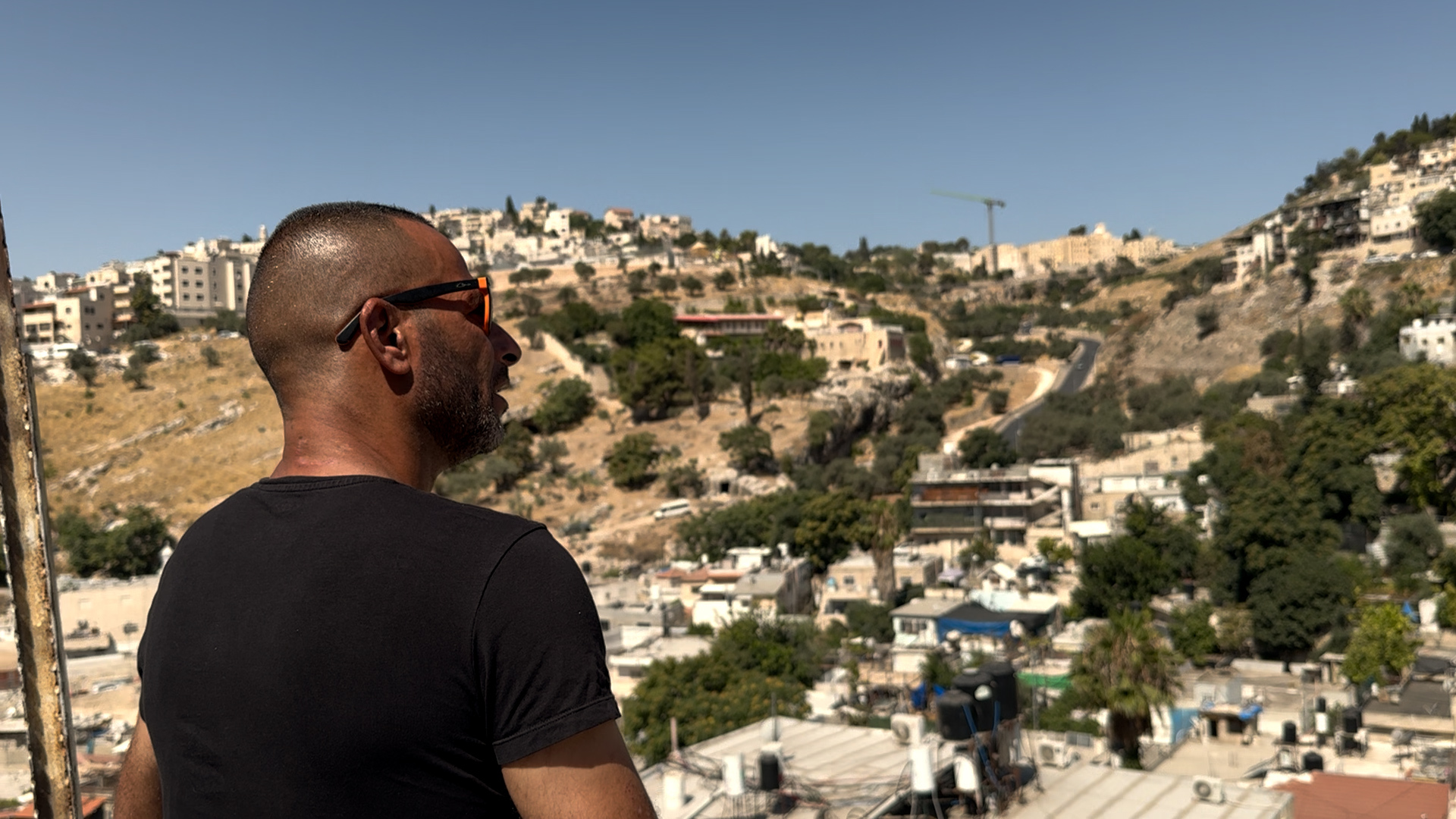
Nidal Warani, a member of the Rajabi family, embodies the anxiety and uncertainty gripping the residents of Silwan. He currently resides in the Al-Bustan neighborhood, a second home, while relatives live in the Batn al-Hawa properties facing immediate eviction. He also received a demolition order for his own house. Nidal explains the psychological toll of living under the constant threat of displacement – once a source of comfort, the view towards Batn al-Hawa now is a reminder of their impending loss. He fears waking up one day to find settlers occupying their homes. This fear is compounded by the increasing presence of settlement outposts in the area.
Nidal’s family illustrates the interconnectedness of this crisis. His father is also facing eviction from a room in the same neighborhood. He’s had enough of the situation and says:”I just leave it to God.”
“One house is threatened with demolition to make way for a biblical garden, and the other is threatened with eviction based on the claim that Yemeni Jews owned the land before 1948,” Nidal laments. “How can I live outside these two neighborhoods, which are all I’ve ever known?” The demolition of a home and shop previously owned by the family in Al-Bustan serves as a chilling premonition of what’s to come. They are now awaiting a court decision on the demolition of his father’s house on January 17th.
رفض المقايضة: إصرار على البقاء رغم الضغوط (Refusal to Compromise: Insistence on Staying Despite the Pressure)
The family has resolutely refused offers of financial compensation in exchange for relinquishing their rights to the property. Kaid Rajabi, another family member facing eviction along with his wife, children, and other relatives, recounts being offered a substantial sum by the Atirat Cohenim association and its lawyer despite the challenges. A judge even suggested it was a rational course of action, stating that the property would ultimately fall into the hands of the settlers.
Kaid’s response was firm: “I will not give up a grain of its soil, and I will not allow them to live in my home willingly.” He emphasizes the symbolic importance of their home overlooking Al-Aqsa Mosque, articulating the emotional and spiritual connection to the land that transcends monetary value. He instead focuses on the difficulty of finding an alternative rental in the already overcrowded town, with his limited monthly income of $1700 insufficient to cover rents, which average $2200 or more. This underscores the systemic barriers Palestinians face in securing adequate housing. This situation demonstrates the الوضع المعيشي الصعب (difficult living conditions) faced by Palestinians in Jerusalem.
تداعيات أوسع: وجهة نظر حول الأوضاع في القدس (Wider Implications: A Perspective on the Situation in Jerusalem)
The Rajabi family’s plight is not isolated. It is part of a larger, deliberate pattern of استيطان في القدس (settlement in Jerusalem) aimed at altering the demographic character of the city. The use of legal mechanisms, such as the 1950 Absentee Property Law, to dispossess Palestinians is increasingly common. This law, originally intended for properties abandoned during the 1948 war, is now being used to claim ownership of properties based on tenuous historical ties.
The forced displacement of families like the Rajabis creates a domino effect, disrupting communities, severing ties to education, and exacerbating existing social and economic vulnerabilities. The children, born and raised in these homes, are facing an uncertain future, unsure of where they will live and whether they will be able to continue their schooling, which is already hampered by limited resources and infrastructure.
Kaid concluded with a feeling of despair. He explains that “We were living with the knowledge that this day would happen with the current racist Israeli government. If the judges themselves stand with the settlers, then to whom can we turn? We have nothing but God.”
The situation in Batn al-Hawa demands urgent attention and a reassessment of the policies that facilitate the dispossession of Palestinians in Jerusalem. It calls for international pressure on Israel to halt settlement expansion and uphold the rights of Palestinian residents to their homes and land. The Rajabi family’s struggle is a poignant illustration of the human cost of the Israeli-Palestinian conflict and the need for a just and equitable resolution.