





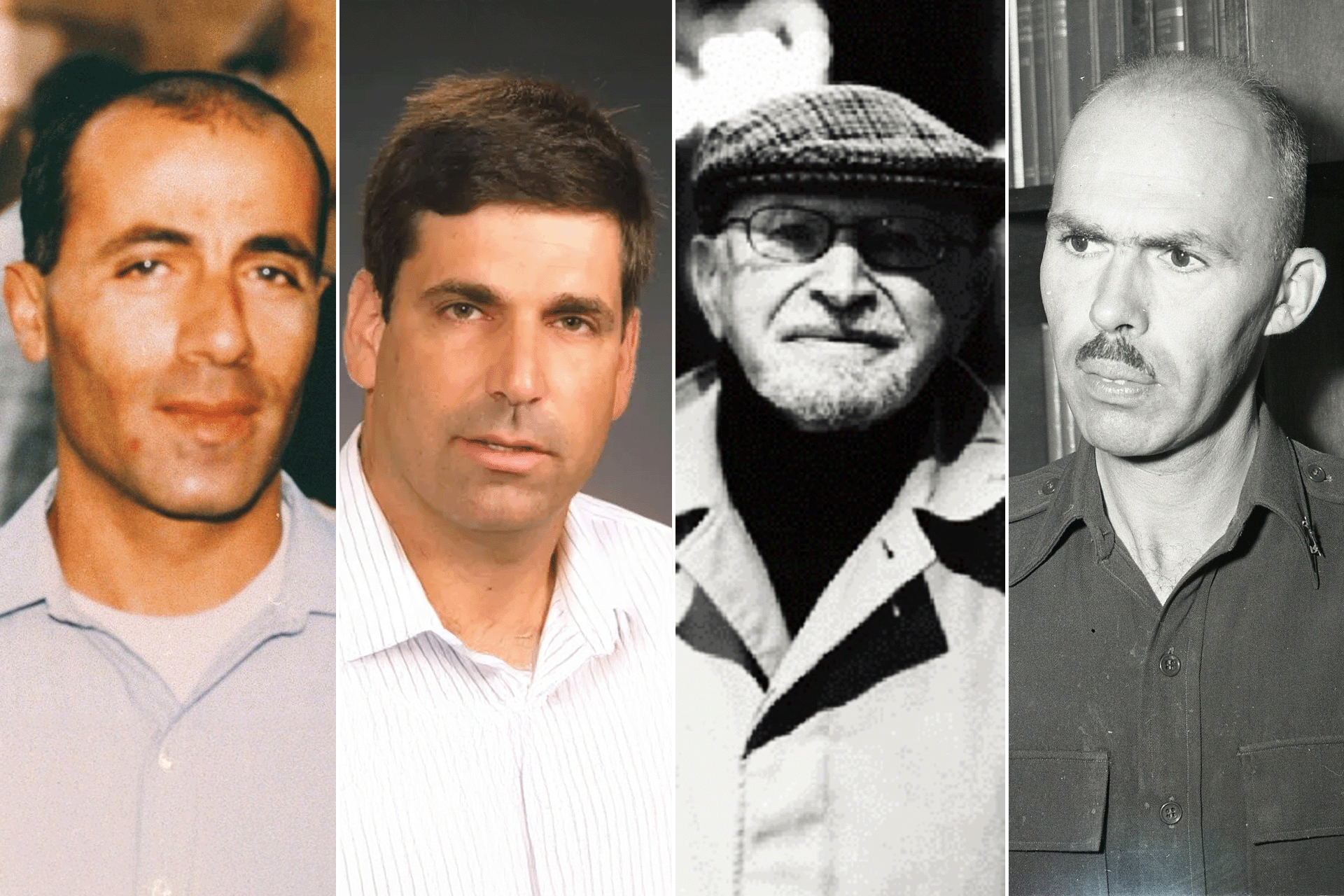
The documentary “Breach from Within” (اختراق من الداخل) produced by Al Jazeera has sent shockwaves through Israel, exposing vulnerabilities within its highly-regarded security apparatus, the Shin Bet (الشاباك). The film dismantles the long-held myth of the الشاباك as an impenetrable fortress, revealing a history riddled with successful penetrations by foreign agents. This isn’t just about espionage; it’s about individuals exploiting trust and access to inflict significant, and sometimes still undisclosed, strategic damage. The documentary highlights how deeply embedded these security breaches were, going beyond external deception to include individuals working within the organization and in positions of immense power.
قصة الاختراقات: كشف الوجه الخفي للشاباك
The documentary doesn’t present a single incident, but a pattern of failures, demonstrating that even the most sophisticated intelligence agencies are susceptible to human fallibility and calculated infiltration. These weren’t simply cases of information gathering; they were systemic compromises that forced the الشاباك to repeatedly overhaul its procedures and operational security. The stories unveiled are not just historical accounts, but cautionary tales about the constant need for vigilance and robust counterintelligence measures. The film’s impact lies in its detailed examination of how these espionage cases unfolded, and the lasting consequences for Israeli national security.
ليفي ليفي: الجاسوس داخل قسم العمليات
Perhaps one of the most damning revelations centers around Levi Levi, a Polish-Jewish immigrant who arrived in Israel in 1948. He managed to secure a sensitive position within the الشاباك’s “Operations Department” and remained undetected for eleven years (1948-1957). This is a particularly stinging indictment for the agency.
تفاصيل عملية الخداع
Levi’s official role involved planting listening devices in Eastern European embassies in Tel Aviv. However, he used this position to feed information back to his handlers in Polish intelligence, warning them of impending operations. As one former officer described, he was essentially “the wolf tasked with guarding the milk.” His motivation, according to intelligence analysts, was purely financial, allowing him to live a comfortable life funded by the Polish government. His eventual exposure forced a complete re-evaluation of the الشاباك’s operational methods and code names. This case underscores the importance of thorough vetting processes, even – and perhaps especially – in the early days of a nation.
اختراق السلطة: من مكتب بن غوريون إلى قطاع الطاقة
The breaches weren’t limited to lower-level operatives. The documentary details how infiltration reached the highest echelons of Israeli power. Israel Beer, another immigrant, rose through the ranks to become a close advisor to founding Prime Minister David Ben-Gurion and a prominent figure in the Ministry of Defense during the early 1940s.
Beer leveraged his position and reputation as a military strategist to access highly classified information. He was eventually caught in 1961 while handing over sensitive documents to a Soviet embassy contact. His confession revealed a belief that the Soviet Union was “the most important power in the world,” highlighting the ideological motivations that can drive national security risks. Former الشاباك chief Yaakov Perry described Beer as one of the most damaging spies in Israeli history, and he received a harsh 15-year prison sentence, with details of the extent of his betrayal remaining largely classified. Furthermore, the documentary reveals later cases, like Gonin Seggev, a former Energy Minister compromised by Iranian intelligence in 2012, demonstrating the ongoing threat to critical infrastructure.
التجسس العلمي: أسرار نووية وبيولوجية في خطر
The documentary extends beyond political and military espionage, revealing alarming breaches within Israel’s scientific community. These cases targeted the nation’s most sensitive research, including its nuclear and biological weapons programs.
أبرز حالات التجسس العلمي
- Marcus Klingenberg: Described as “the most dangerous spy,” Klingenberg, a scientist at the “Biological Institute,” allegedly leaked secrets about biological and chemical weapons to the Soviets for decades, driven by a desire for “international balance.”
- Professor Kurt Seta: A cosmic ray scientist at the Technion, Seta was recruited by Czech and Soviet intelligence to gather information about Israel’s nascent nuclear program.
- Mordechai Vanunu: The nuclear technician who famously exposed Israel’s nuclear capabilities to the world through the Sunday Times in 1986.
These instances demonstrate that even highly secure scientific institutions are vulnerable to infiltration and the theft of critical intellectual property. The film suggests a pattern of lax security protocols and a failure to adequately protect sensitive research.
الدروس المستفادة وأهمية اليقظة الدائمة
“Breach from Within” is a stark reminder that no security system is foolproof. The repeated failures highlighted in the documentary underscore the need for constant vigilance, rigorous vetting procedures, and robust counterintelligence capabilities. The film’s revelations are likely to fuel further debate within Israel about the effectiveness of its security apparatus and the need for ongoing reforms. The documentary serves as a crucial case study in intelligence failures and the devastating consequences of compromised security, not just for Israel, but for any nation facing complex geopolitical threats. It’s a compelling and unsettling look at the human element within intelligence, and the potential for betrayal at all levels. The film’s impact will undoubtedly be felt for years to come, prompting a critical reassessment of Israel’s approach to national security.