







The shifting sands of Middle Eastern politics have recently witnessed a significant recalibration of US policy towards the Kurds, particularly in Syria and Iraq. Statements from former President Donald Trump, coupled with pronouncements from his envoy to Syria, Tom Brak, have signaled a departure from long-held assumptions about Washington’s relationship with Kurdish groups. This article delves into the evolving dynamics of the القضية الكردية (The Kurdish Issue), exploring the motivations behind the changing US stance and its implications for the region.
تاريخ العلاقة الأمريكية الكردية (History of US-Kurdish Relations)
The United States’ engagement with the Kurds hasn’t always been direct. For decades, Washington largely avoided a formal policy towards the Kurdish population, dispersed across Turkey, Iran, Iraq, and Syria. Following World War I, while President Woodrow Wilson advocated for the principle of self-determination – a concept that resonated with Kurdish nationalists – the US never actively supported the establishment of an independent Kurdistan.
Instead, early interactions were primarily channeled through the CIA, which, as academic فرهنج فريدون notes, often acted as a de facto foreign policy arm in regions lacking formal diplomatic ties. This indirect approach fostered a climate of uncertainty, a characteristic that has persisted in US-Kurdish relations. The Cold War saw the Kurds in Iraq utilized as a proxy force against Baghdad when it aligned with the Soviet Union, but this was largely a tactical maneuver rather than a commitment to Kurdish aspirations.
نقطة التحول: حرب الخليج والعراق (Turning Point: The Gulf War and Iraq)
A pivotal moment arrived after the 1991 Gulf War. The subsequent Kurdish uprising in northern Iraq, brutally suppressed by Saddam Hussein, prompted the US and its allies to establish a no-fly zone. This protection allowed the Kurds to hold elections and form the Kurdistan Regional Government (KRG) in 1992, marking a significant step towards self-governance.
The 2003 invasion of Iraq further solidified the US-Kurdish alliance. Peshmerga forces actively supported the US-led coalition, and Washington, in turn, advocated for Kurdish inclusion in the new Iraqi constitution. جلال طالباني, a Kurdish leader, even became the first president of post-Saddam Iraq. This period represented the high-water mark of US support for the Kurds in Iraq.
صعود داعش وتغير الأولويات (The Rise of ISIS and Shifting Priorities)
The emergence of ISIS in 2014 dramatically altered the strategic landscape. The Kurdistan Region became a crucial partner in the fight against the terrorist organization, receiving substantial US aid and training. The Syrian Democratic Forces (SDF), a Kurdish-led group, emerged as the primary ground force battling ISIS in Syria, again with significant US support.
However, this alliance was always considered “tactical” by many within the US administration, as highlighted by a US diplomat in 2017. The primary goal was defeating ISIS, and the Kurds were instrumental in achieving that objective. As that goal neared completion, the underlying tensions and competing interests began to resurface. The القضية الكردية became less central to US strategic calculations.
إدارة ترامب والتحولات الجديدة (The Trump Administration and New Shifts)
The Trump administration signaled a clear shift in US policy. Trump’s comments about the Kurds being “paid a lot of money” and receiving oil concessions, while controversial, reflected a transactional approach to foreign policy. More importantly, the administration prioritized strengthening relationships with regional powers like Turkey, even at the expense of Kurdish interests.
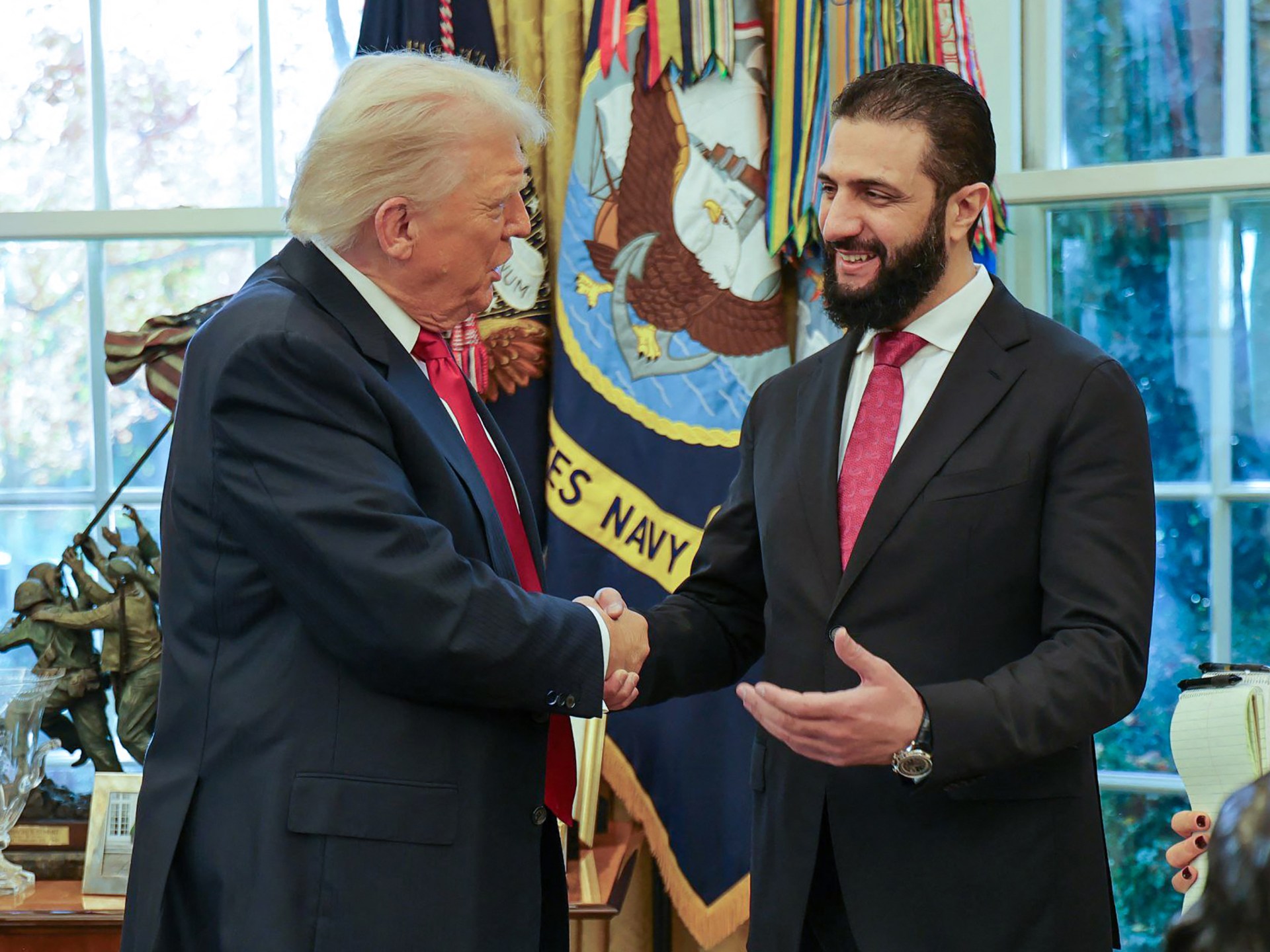
Tom Brak’s statement that the original purpose of the SDF – fighting ISIS – had been achieved further underscored this change. He suggested a path towards the full integration of Syrian Kurds into a unified Syrian state, with guaranteed citizenship rights. This position aligns with a broader trend of the US seeking to normalize relations with the Syrian government under President أحمد الشرع. The recent meetings between Trump and الشرع – including a historic visit to the White House – and the removal of الشرع’s name from US terror lists, demonstrate this evolving dynamic.
سوريا الجديدة وتوازن المصالح (The New Syria and Balancing Interests)
The new Syrian government, under الشرع, has presented itself as a stabilizing force in the region, capable of addressing security concerns, including the remnants of ISIS. This narrative resonates with the Trump administration’s focus on economic interests, energy security, and pragmatic cooperation. Syria’s recent joining of the international coalition against ISIS further solidifies this shift.
This doesn’t necessarily mean a complete abandonment of the Kurds, but rather a recalibration of US support. Washington is likely to maintain a delicate balance, supporting the KRG in Iraq while reducing its direct involvement with the SDF in Syria. The focus is shifting towards ensuring the protection of Kurdish rights within a unified Syrian state, rather than fostering aspirations for autonomy or independence. The القضية الكردية is now viewed through the lens of regional stability and US economic interests.
مستقبل الأكراد في العراق وسوريا (The Future of the Kurds in Iraq and Syria)
The future remains uncertain. While the US maintains a military presence in the Kurdistan Region of Iraq, its long-term commitment is questionable. In Syria, the situation is even more precarious. The withdrawal of US forces could leave the Kurds vulnerable to Turkish military operations and Syrian government control.
As Tom Brak noted, the greatest opportunity for Syrian Kurds now lies in integration into the new Syrian state, with guarantees for their cultural and political rights. However, achieving this will require navigating complex political challenges and building trust with a government that has historically been wary of Kurdish aspirations. The القضية الكردية will continue to be a sensitive and contested issue in the Middle East, demanding careful diplomacy and a nuanced understanding of the region’s evolving dynamics.