



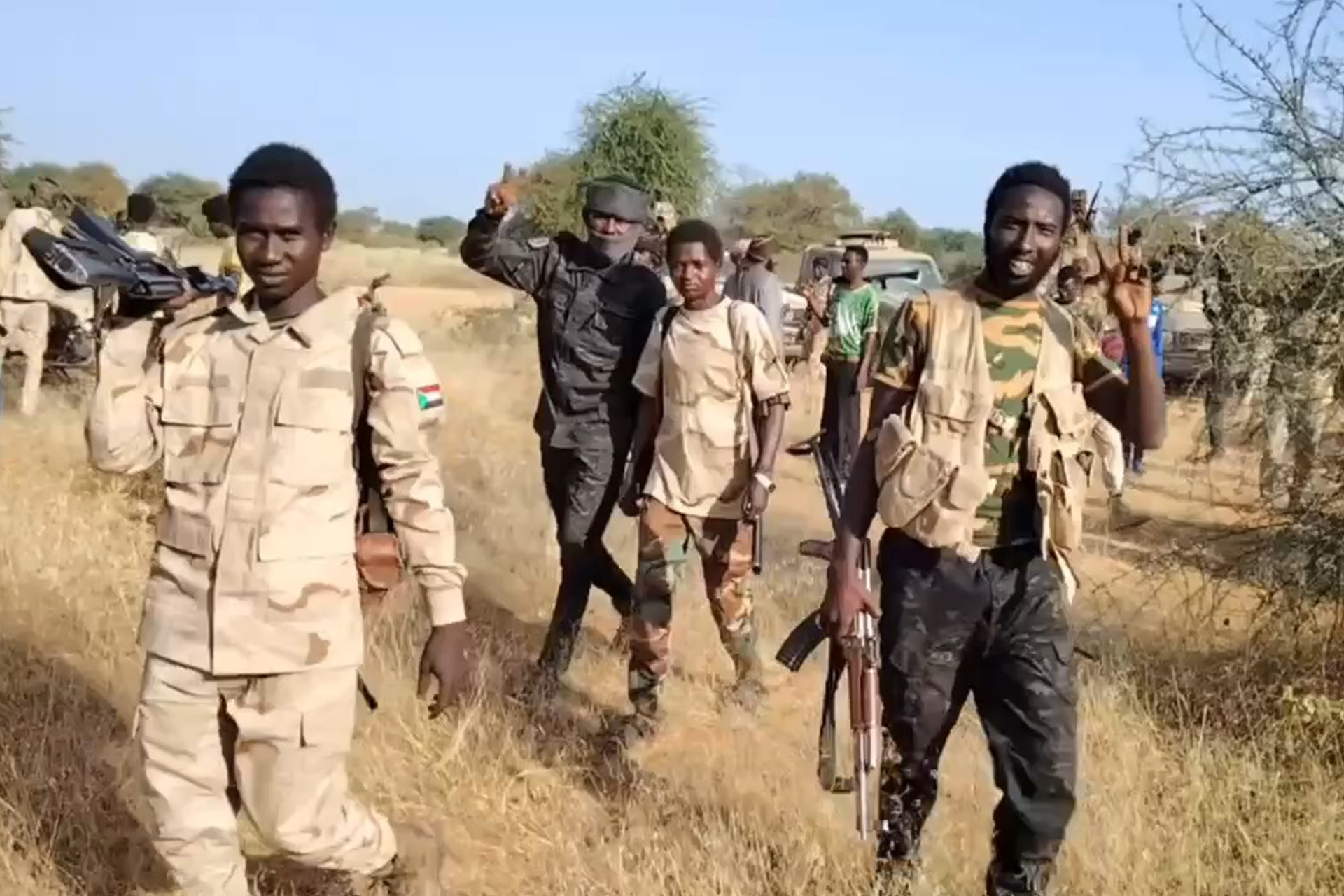
The recent developments in Sudan, particularly the control of the strategic Heglig oilfield by the Rapid Support Forces (RSF), represent a significant turning point in the ongoing conflict. This control effectively halts Sudan’s entire oil production and disrupts South Sudan’s oil exports processed through the field, raising serious concerns about the nation’s economic stability. A military expert has stated that the RSF’s seizure of Heglig signifies a shift in the battle from urban centers to the very heart of Sudan’s economy.
السيطرة على هجليج: خسارة اقتصادية واستراتيجية للسودان (Heglig Control: Economic and Strategic Loss for Sudan)
On Monday, the Rapid Support Forces (RSF) gained control of the strategically vital Heglig oilfield in South Kordofan state. This development marks a complete loss of Sudan’s oil production capacity, estimated between 30 and 40 thousand barrels per day, and halts the processing and export of approximately 50 thousand barrels of South Sudan’s oil daily. A well-informed source revealed to Al Jazeera Net that the RSF reached the oilfield following the withdrawal of Sudanese Armed Forces (SAF) from Brigade 90 in Heglig city on Sunday. Engineers, technicians, and workers were permitted to evacuate the field by vehicle towards Rabakona, a border town in South Sudan. Before departing, the engineers secured the oil wells and central processing station to mitigate potential risks.
أهمية حقل هجليج النفطي (The Importance of the Heglig Oilfield)
The Heglig oilfield is a massive oil-producing area located near the border with South Sudan, approximately 45 kilometers west of the Abyei region in South Kordofan. It is a crucial component of Sudan’s oil sector, serving as a primary source of crude oil for the Khartoum refinery and bolstering the national economy through exports via Port Sudan. The field houses key infrastructure, including the main oil pumping station, a crude oil processing plant, fuel storage tanks, and a power generation station.
The loss of Heglig isn’t simply an economic blow; it’s a strategic one. The field represents a vital artery for Sudan’s financial well-being, and its disruption has far-reaching consequences. The situation also highlights the interconnectedness of Sudan and South Sudan’s economies, particularly regarding oil.
تداعيات توقف الإنتاج على السودان وجنوب السودان (Consequences of Production Halt on Sudan and South Sudan)
Former Sudanese Minister of Energy and Oil, Jadin Ali Hassan, explained to Al Jazeera Net that the cessation of operations at Heglig translates to a complete loss of Sudan’s oil production, alongside all revenues generated from processing and transporting South Sudan’s oil. He noted that Sudan’s remaining oil-related income consists of transit fees for a portion of South Sudan’s oil passing through its territory via the pipeline in White Nile State, specifically through the Jabalain station. This situation underscores the vulnerability of Sudan’s economy to disruptions in the oil sector. The أزمة النفط (oil crisis) is now a full-blown reality.
تغيير قواعد اللعبة: بعد اقتصادي وعسكري (Changing the Rules of the Game: Economic and Military Dimensions)
Strategic analyst and security affairs expert, Brigadier Dr. Jamal Al-Shahid, emphasized that Heglig has always been more than just an oilfield. It’s a geopolitical focal point where borders intersect with resources, and Sudanese and South Sudanese interests converge. The events of 2012, when the Sudanese army regained control of Heglig after it was held by forces from Juba for months, demonstrated that control over the field is not merely an economic matter but a question of national sovereignty.
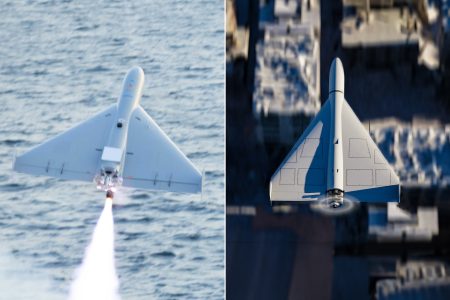
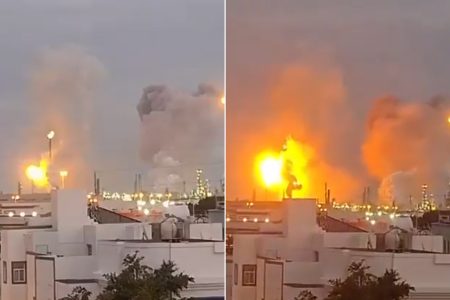
Dr. Al-Shahid believes the RSF’s control of Heglig represents a fundamental shift in the dynamics of the conflict, putting direct pressure on Sudan’s national wealth. He added that the SAF’s withdrawal of forces from the field, specifically Brigade 90 Infantry, was a repositioning dictated by the evolving situation on the ground. However, this move was immediately followed by an RSF attack using drones on the field’s facilities, resulting in injuries to workers and partial evacuation. This clearly indicates a shift in the conflict towards targeting the nation’s core assets. The use of طائرات مسيرة (drones) is a worrying escalation.
ضغط وتنافس إقليمي ودولي (Pressure and Regional/International Competition)
The China National Petroleum Corporation (CNPC) has decided to terminate its oil investments in Sudan after 30 years of partnership, citing deteriorating security conditions at the Balila oilfield in West Kordofan state. The company, representing the Chinese government, formally requested a meeting with the Sudanese government in December to discuss the early termination of the Production Sharing Agreement and the crude oil pipeline agreement for the Balila field. The request emphasized the need to finalize the agreements by the end of the month due to circumstances of “force majeure.”
Dr. Al-Shahid warned that any security vacuum or weakness in the region quickly creates a competitive environment attracting armed groups, particularly those seeking to strengthen their political position by controlling production hubs. He highlighted that the RSF’s use of drones to target Heglig facilities demonstrates a qualitative development in their capabilities. The attack wasn’t just a military strike, but an attempt to create a dual psychological and economic impact through:
- Disrupting operations.
- Intimidating workers.
- Demonstrating the ability to reach a highly protected facility.
He further explained that controlling or even approaching production areas provides a significant negotiating advantage, as oil is the cornerstone of the economy. Disrupting it puts pressure on both the Sudanese government and South Sudan, whose economy relies on oil transit through Sudan. The RSF aims to demonstrate its ability to threaten Sudan’s entire economic periphery, not just urban areas or the capital. This is a critical aspect of the current الصراع في السودان (conflict in Sudan).
الأبعاد الداخلية والخارجية للأزمة (Internal and External Dimensions of the Crisis)
Dr. Al-Shahid also pointed out that the security of Heglig is not solely a domestic Sudanese issue. Attacks on oil facilities directly impact South Sudan, which depends on oil transit through Sudan, as well as the companies operating in the sector and neighboring countries concerned about the potential spread of instability.
Internally, the continued threats could exacerbate pressures on the state amidst challenging economic conditions, increase the cost of protecting facilities, and make the field more vulnerable to attacks aimed at disrupting production and destabilizing the economy.
In a statement released on Monday, the RSF claimed that “liberating the Heglig oil region constitutes a pivotal point in the path towards liberating the entire homeland, given the region’s economic importance, which has served as a significant resource for the Port Sudan gang in funding the war, expanding its scope, and prolonging its duration.” The RSF pledged to secure and protect vital oil facilities in the area to safeguard the interests of the people of South Sudan, whose economy heavily relies on oil flows through Sudan, and to provide protection for all engineering, technical, and workforce personnel.