



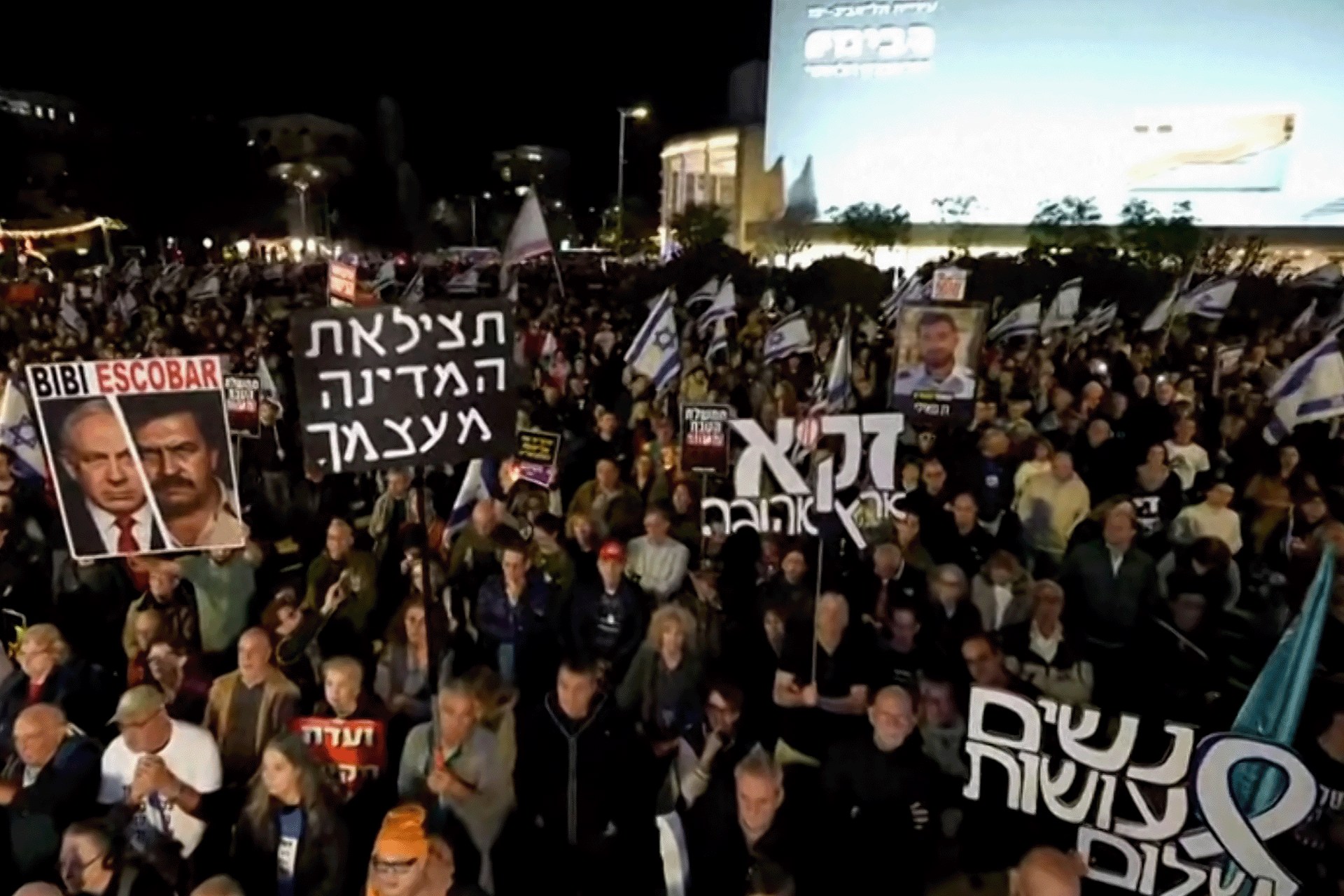
The recent surge in protests across Israel, particularly in Tel Aviv, signals a deepening crisis of confidence in Prime Minister Benjamin Netanyahu’s government. These demonstrations, fueled by accusations of rising racism, incitement, and a perceived failure of leadership since the events of October 7th, 2023, highlight a nation grappling with internal divisions amidst ongoing conflict. The primary demand of the protesters revolves around the removal of Netanyahu and key ultra-right ministers, revealing a significant fracture within Israeli society. This article will delve into the details of the protests, the grievances driving them, and the potential implications for Israel’s future.
تصاعد الاحتجاجات ضد نتنياهو: تعبير عن غضب شعبي متزايد (Escalating Protests Against Netanyahu: An Expression of Growing Public Anger)
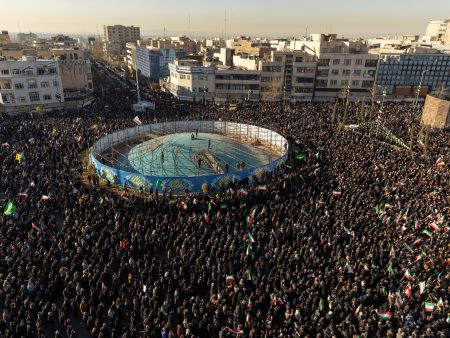
Over the weekend, massive demonstrations erupted in Tel Aviv, and subsequently spread to cities like Haifa and Rehoboth, according to reports from Associated Press. The sheer scale of these protests underscores the breadth of discontent with the current administration. Participants voiced strong condemnation of the government’s policies, specifically targeting ministers Itamar Ben-Gvir and Bezalel Smotrich, calling for their dismissal alongside Netanyahu’s resignation. A central grievance is the perceived undermining of the judicial and media systems, a claim frequently leveled by opposition groups and legal experts.
The demonstrations aren’t merely about political disagreements; they reflect a profound sense of fear and vulnerability among segments of the Israeli population. Reports surfaced during the protests regarding an attack on a pregnant woman in Jaffa, and constant harassment faced by Arab citizens. Protestors argue these incidents aren’t isolated but rather a direct consequence of a shift towards extremist ideologies within the governing coalition.
جذور الغضب: العنصرية والتحريض وفشل القيادة (Roots of Anger: Racism, Incitement, and Leadership Failure)
One participant in the Tel Aviv demonstration powerfully articulated the growing anxieties, stating that the attacks on Arab citizens are not random acts of violence but a direct result of the rise of Kahanist ideology – linked to the late extremist Rabbi Meir Kahane – to positions of power. This is a deeply concerning point, as Kahane’s views were historically considered fringe and vehemently anti-Arab.
The protesters’ anger stems from what they describe as a lack of condemnation from the political leadership regarding violence against Arab citizens and the seemingly indifferent response to daily killings of Arab Israelis. They label the current government a “government of ruin,” accusing it of actively fostering a climate of hate speech and tolerating racial prejudice. This perceived indifference is exacerbating existing tensions and deepening the sense of marginalization felt by the Arab population within Israel.
Furthermore, the handling of the war following the October 7th attacks is a major point of contention, leading to deeper frustration and calls for change. Many Israelis feel their government has failed them. The demand for accountability surrounding the events of October 7th is echoing through the streets.
اتهامات بالتقويض وتخريب النظام القضائي (Accusations of Undermining and Sabotaging the Judicial System)
Alongside concerns about racism and the handling of the war, the احتجاجات center on the government’s attempts to overhaul the judicial system. Critics argue these reforms threaten the independence of the courts and erode the checks and balances essential for a functioning democracy. The perceived assault on the Supreme Court is seen as a power grab by the government, paving the way for unchecked authority.
Activist Itay Steinmetz was particularly scathing in his assessment, accusing the government of granting “full legitimacy to hatred and racism” and holding them directly responsible for the escalating violence against Arab citizens. He highlighted a recent shooting death of a 20-year-old Arab woman near a store in Kfar Qassem as a stark example of the fear and insecurity gripping the country. This echoing tragedy serves as a painful reminder of the fragility of coexistence.
تداعيات الحرب وتخلي إسرائيل عن مواطنيها (Implications of the War and Israel’s Abandonment of its Citizens)
Steinmetz went on to deliver a scathing indictment of the government’s response to the war, claiming Israel has “abandoned its citizens, its soldiers, and the hostages in Gaza.” He criticized the prolonged duration of the conflict, attributing it to “political reasons” rather than strategic necessity. The mounting civilian and military casualties are intensifying the calls for a reassessment of the government’s war strategy.
The activist’s call for a “courageous and genuine” Arab-Jewish partnership, moving beyond silent coexistence to one built on equality, transparency, and shared responsibility, represents a demand for a more inclusive future. He also urged Arab citizens within Israel to raise their voices and for the “Democratic Jewish street” to exert pressure on the political leadership to change course. This plea for unity is a recurring theme within the احتجاجات.
التدخل في عمل الشرطة وانتقادات واسعة النطاق (Interference in Police Work and Widespread Criticism)
A particularly contentious issue raised during the protests was the alleged interference of the National Security Ministry in the operations of the police force. Steinmetz labeled this intervention as a “flagrant violation of the law” and demanded the removal of Ben-Gvir from his position. He also opposed any potential presidential pardon for Netanyahu, arguing that accountability is paramount.
The broader critique highlights concerns regarding the rule of law and the potential for abuse of power. The government’s actions are viewed as symptoms of a deeper malaise, threatening the very foundations of Israeli democracy. Furthermore, accusations flew concerning the government’s previous support for Hamas, claiming they “funded Hamas and facilitated its strengthening”. These assertions, while controversial, further fuel the distrust in the Netanyahu administration.
The scale of these احتجاجات reveals a nation at a crossroads. Though facing immense pressure, the current government has shown little inclination to alter its course, promising further demonstrations and potentially deeper societal unrest. The outcome of this struggle will undoubtedly shape Israel’s future, determining whether it will succumb to internal divisions or forge a path towards a more just and equitable society, built on shared citizenship and mutual respect.