






The situation in the Gaza Strip continues to deteriorate, reaching a critical point as described by the Director-General of the Ministry of Health, Munir al-Bursh. The ongoing blockade, conflict, and subsequent humanitarian consequences are pushing the region towards a comprehensive and unprecedented health and humanitarian collapse. This article delves into the dire circumstances facing the population, focusing on the escalating health crisis and the urgent need for intervention. The core issue remains the health crisis in Gaza, a situation compounded by environmental disasters and a lack of essential resources.
The Imminent Collapse of Gaza’s Healthcare System
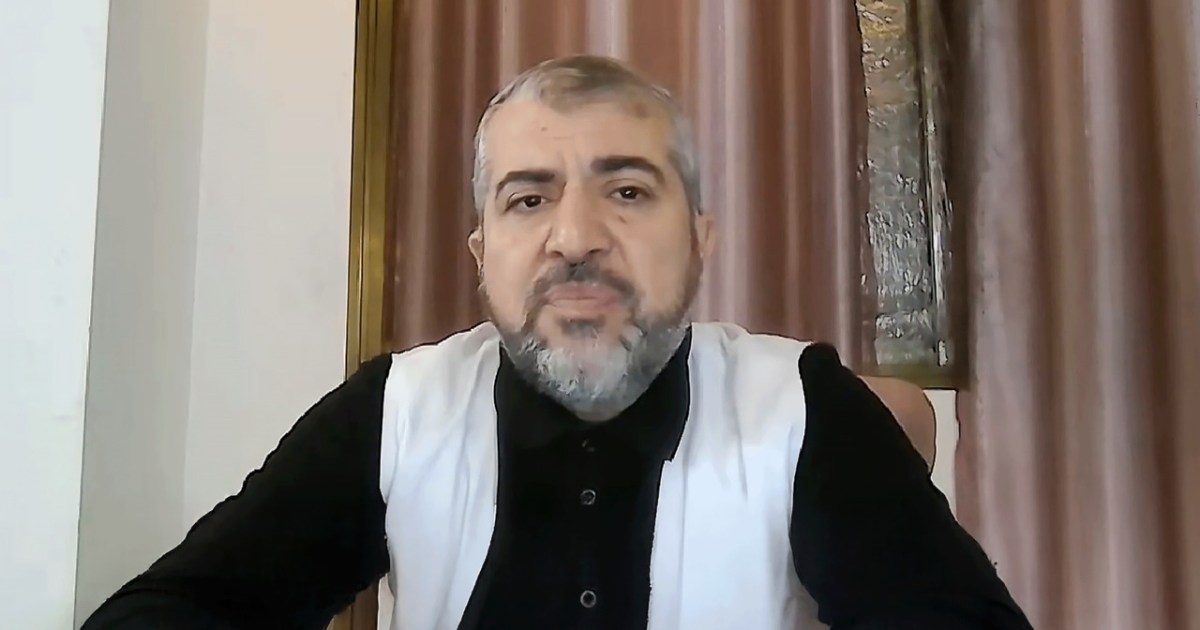
Munir al-Bursh painted a grim picture during an interview on Al Jazeera Mubasher’s “Al-Masaiyah” program, stating that Gaza is experiencing one of the most devastating chapters in its history. He highlighted the particularly harrowing situation of displaced individuals, many of whom are now living amidst raw sewage due to recent flooding. Over 200 families are reportedly residing within wastewater, a stark illustration of the complete breakdown of dignified living conditions. Al-Bursh was emphatic that this isn’t a natural disaster, but a man-made catastrophe resulting from the occupation, the blockade, the war, and international inaction.
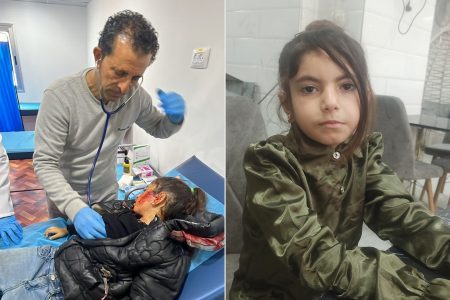
The recent heavy rains have tragically claimed lives, with 24 people dying due to the collapse of homes. Furthermore, nine children have succumbed to the severe cold. Al-Bursh stressed that death in Gaza is no longer solely caused by bombardment; hunger, cold, lack of shelter, and the absence of medicine are now equally deadly threats. He poignantly stated that the children of Gaza need warmth and shelter, not just expressions of sympathy. The lack of basic necessities is exacerbating the already fragile humanitarian situation in Gaza.
Targeting Reproductive Health: A Disturbing Trend
A particularly alarming aspect of the health crisis in Gaza is the deliberate targeting of reproductive health, as described by al-Bursh. Data from 2025 reveals shocking statistics: approximately 48,000 births occurred, but nearly 4,900 babies were born with abnormal weights, and over 4,000 were premature. Alarmingly, more than 315 cases of congenital malformations were documented.
The Impact on Mothers and Infants
The Ministry of Health recorded 616 stillbirths during the same period. These figures underscore the reality of “unsafe births” in Gaza, driven by shortages of medication, food scarcity, and a lack of fundamental healthcare. The resulting congenital defects and severe complications for both mothers and infants are a direct consequence of the ongoing crisis. This situation demands immediate attention and resources to mitigate the long-term effects on the population.
Al-Bursh expressed hope that the Rafah crossing would move beyond repeated promises and become a functional reality, emphasizing that the Ministry of Health maintains updated patient lists, as the need extends to thousands, not just isolated cases. Over 18,500 patients urgently require travel for treatment, and their continued inability to leave Gaza is effectively a death sentence. More than 1,022 patients have already died waiting for permission to seek medical care abroad.
Water Contamination and the Spread of Disease
A recent report from the Palestinian Ministry of Health on water quality in Gaza revealed a deeply concerning situation. Out of 2,400 water samples tested, over 57% were deemed unsafe for drinking, indicating that more than half of Gaza’s water sources are contaminated and fail to meet health standards.
This water pollution, combined with malnutrition and weakened immune systems, has led to a widespread outbreak of diseases. Cases of coronavirus are appearing, often clustered within families, manifesting as prolonged fevers, debilitating coughs, and persistent fatigue. The cumulative effects of years of siege, fear, and deprivation have left the population vulnerable to a multitude of illnesses, overwhelming the already strained healthcare facilities. Hospitals are overflowing with patients, and intensive care units are operating at over 150% capacity. The lack of clean water is a critical component of the overall health crisis in Gaza.
A Silent Genocide?
Addressing the impact of obstructing the opening of crossings following the initial phase of the ceasefire agreement (October 10th, 2025), al-Bursh described the situation as a “silent genocide.” He stated that the occupation forces have killed over 466 people and injured more than 1,294 since the agreement came into effect.
Furthermore, the number of births has decreased by 41% compared to previous years, as reported by the British newspaper The Guardian. The number of births has fallen from approximately 56,000 to just 48,000, a direct result of policies targeting maternal and child health through bombardment and the denial of essential medicines and nutritional supplements. This decline in births represents a devastating blow to the future of the Gazan population.
In conclusion, the health crisis in Gaza is reaching catastrophic levels. The combination of ongoing conflict, a crippling blockade, environmental disasters, and a deliberate targeting of essential resources is creating a humanitarian nightmare. The urgent need for a lasting ceasefire, unrestricted access for humanitarian aid, and the reopening of border crossings to allow patients to receive life-saving treatment cannot be overstated. The international community must move beyond expressions of concern and take concrete action to prevent further suffering and avert a complete collapse of the healthcare system in Gaza. Share this article to raise awareness and demand action.