





The situation in Syria remains complex and volatile, with recent developments in Aleppo highlighting the ongoing power struggles and shifting alliances. Specifically, the Syrian army’s operation in Sheikh Maqsoud and Ashrafieh neighborhoods has drawn significant attention, marking a turning point in the control of these areas and raising questions about the future of قوات سوريا الديمقراطية (قسد) – the Syrian Democratic Forces. This article delves into the details of the recent military sweep, the factors contributing to its swift execution, and the potential implications for the broader Syrian conflict.
تمشيط الجيش السوري لحي الشيخ مقصود في حلب: تفاصيل العملية
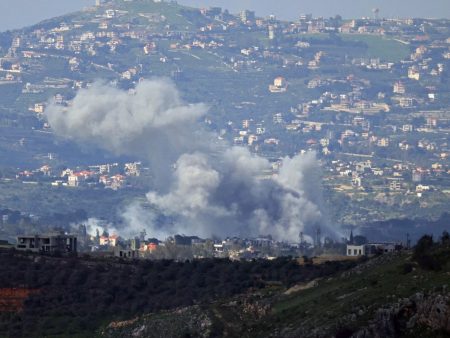
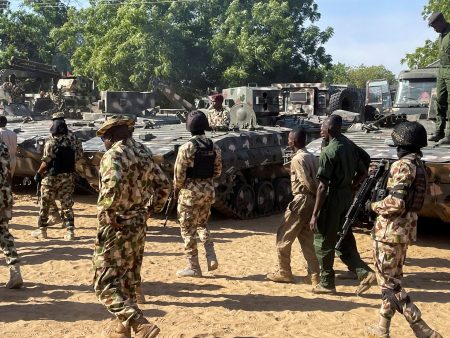
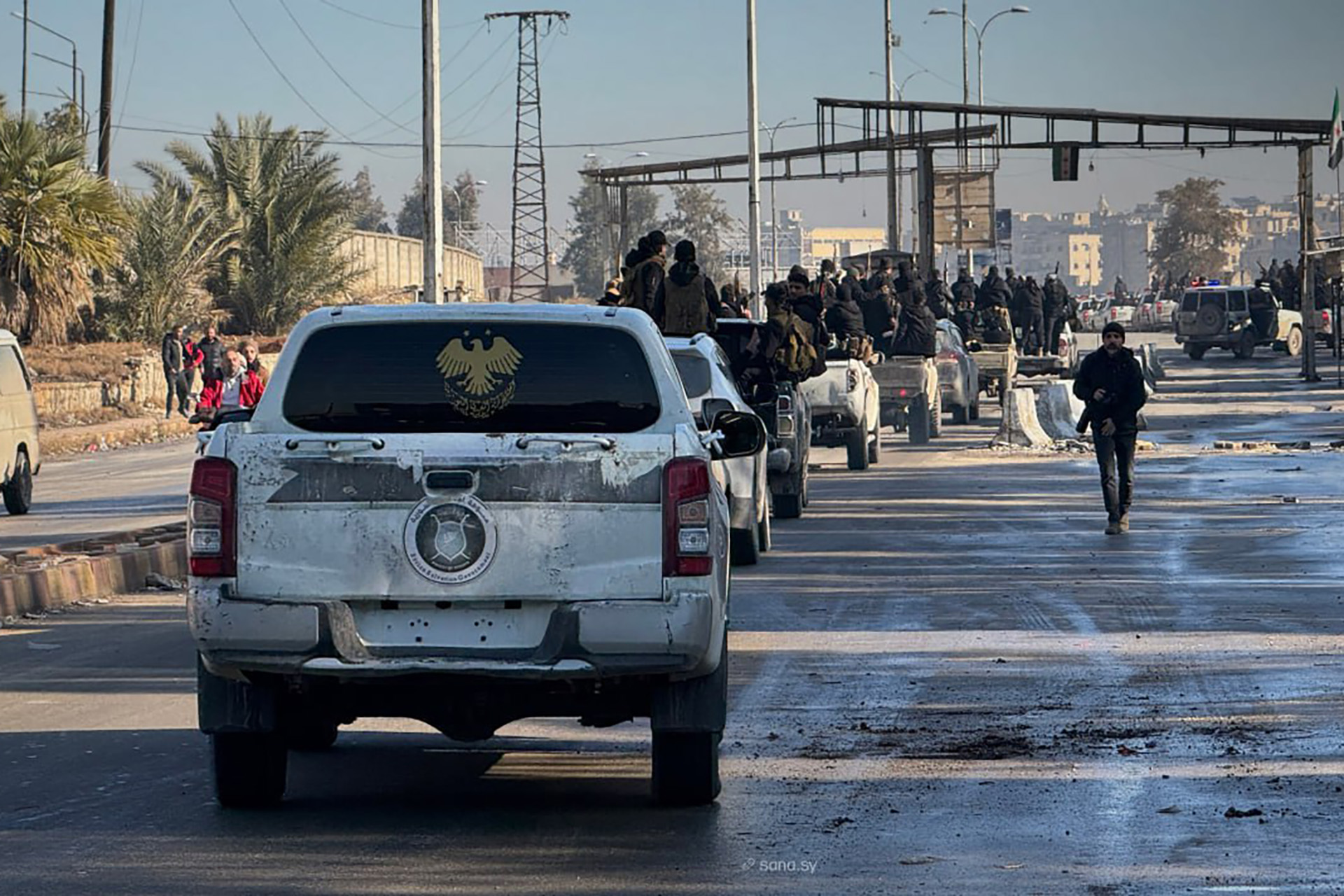
Following the breakdown of an agreement for the withdrawal of the Syrian Democratic Forces (SDF) from the Sheikh Maqsoud neighborhood in Aleppo, the Syrian army launched a comprehensive operation to secure the area. According to field sources cited by state media on Saturday, the army successfully combed through the neighborhood, arresting several SDF members during clashes. The operation also resulted in the seizure of a substantial amount of weaponry, including heavy and medium arms, ammunition, and explosive devices intended for use in attacks. Furthermore, dozens of landmines planted throughout the streets were safely dismantled, demonstrating the potential danger posed to civilians.
The Syrian Army General Command stated that the only option remaining for remaining armed elements in Sheikh Maqsoud is to immediately surrender themselves and their weapons to the nearest military post, with assurances of their safety and well-being. This ultimatum underscores the government’s determination to reassert control over the region.
دور العشائر العربية في حسم المعركة
A high-ranking military source in Aleppo revealed to Al Jazeera Net that the army’s rapid success in securing Sheikh Maqsoud and Ashrafieh was largely due to secret coordination with Arab tribal elements within the SDF ranks. This collaboration led to widespread defections and the handover of portions of the neighborhoods with minimal resistance.
The source specifically mentioned the Al-Bukair tribe, which had been associated with the SDF since 2012, initiating clandestine talks with Abu Ahmad Zakour, advisor to President Assad for tribal affairs, approximately a month prior to the operation. This internal shift, described as an “internal coup” and a “breach” within the SDF, facilitated the army’s entry from the south, west, and north into Ashrafieh, where fighters either retreated or defected. Subsequently, the army entered Sheikh Maqsoud with the cooperation of local residents who turned over parts of the neighborhood. These tribal elements, now under the protection of the General Security Directorate in Damascus, reportedly rejected what they perceived as the SDF’s separatist tendencies and affirmed their commitment to Syria’s territorial integrity.
تحليل أوسع للانشقاقات وتداعياتها
Feras Alawi, a researcher in international relations, cautioned against directly attributing the events solely to the Al-Bukair tribe or other local components, framing it within a larger context. He suggested these elements were part of structures created by actors other than “Hayat Tahrir al-Sham” (The Organization for the Liberation of Syria), and possible coordination existed. He also expressed reservations about the timing of the coordination, noting that such arrangements usually precede a publicly announced operation, unlike the recent events which lacked a pre-defined schedule. This warrants further investigation and a more nuanced understanding.
Alawi highlighted the potential role of the social base within SDF-controlled areas, which may have been dissatisfied with the practices of the Kurdish Workers’ Party (PKK) or other affiliated groups. He suggested the recent developments merely represent the first opportunity for discontent to surface, and similar scenarios could unfold in eastern Syria, particularly in Deir Ezzor and Al-Hasakah, where conditions are deteriorating. He believes a fundamental shift in the social fabric within these regions is underway, prompting individuals to reconsider their allegiances. Understanding these underlying dynamics is crucial for predicting future developments.
التفاهمات الدولية والمصالح المتضاربة
The current situation isn’t solely a military one, but is also interwoven with complex international understandings. Alawi points to the “Turkish desire regarding the dam issue” – referring to Turkey’s control over water resources in Syria – juxtaposed against the “American procrastination” in addressing Turkish concerns. The Syrian government is thus positioned between Turkish escalation and American attempts at de-escalation. He anticipates the situation will evolve towards a middle ground characterized by fragmented and limited clashes rather than a full-scale confrontation.
Jehad Issa Sheikh, an assistant to President Assad for tribal affairs, confirmed that the defections within the SDF accelerated the military operation, with some fighters fleeing or joining government forces. He described this as part of a broader effort to “rearrange the situation in eastern Euphrates,” amidst fears of renewed clashes between the tribes and the SDF.
استهداف المدنيين وقيود عملية “ردع العدوان”
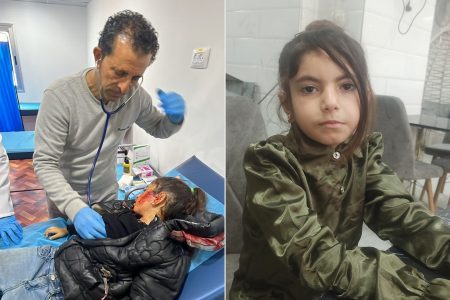
Meanwhile, the Civil Defense teams responded to a large fire that broke out in the generator rooms of a bakery in the Al-Sabil neighborhood, along with the burning of a nearby passenger bus, reportedly due to SDF shelling. The targeting was condemned as a war crime aimed at depriving civilians of essential services.
Rashid Hourani, a military affairs analyst for Al Jazeera Net, noted that the Syrian government, since assuming power, has refrained from framing the conflict as an “Arab-Kurdish” issue regarding the قوات سوريا الديمقراطية (قسد). He added that the SDF has been aware of its marginalization of Arabs and the exclusion of the region’s communities from decision-making. He also pointed to the international coalition requesting the SDF, through American intermediaries, to improve its relations with Arab tribes. Although SDF commander Mazloum Abdi made multiple visits to tribal leaders, a tangible positive change did not materialize. As a result, and following a reasonable period to implement the agreement between the SDF and the Syrian government, the tribes became inclined to dissolve the structure of these forces, considering their significant social weight and substantial representation.
مستقبل الوضع في شرق الفرات
The current developments are unfolding in the wake of the failed March 10, 2025 agreement that aimed to integrate the SDF into the Syrian army. This led to the evacuation of tens of thousands of civilians through safe passages, with the army declaring these areas “military zones closed” to ensure their safety.
Hourani does not foresee a large-scale war between the parties, citing the SDF’s lack of military proficiency, which was evident in its defense of the two neighborhoods. He anticipates further defections, potentially occurring on a wider scale, whether individually or collectively. He concluded that the situation in eastern Euphrates is likely to see growing unrest and potential for further fracturing within the قوات سوريا الديمقراطية (قسد), ultimately reshaping the political landscape of the region. The issue of governance and the needs of local communities will likely remain central to future developments.