





The ongoing conflict in Sudan has unleashed a wave of horrific violence, with particularly devastating consequences for women and children. Recent accusations leveled against the Rapid Support Forces (RSF) paint a grim picture of systematic abuse, including sexual violence, enslavement, and the forced recruitment of youth. This article delves into the alarming reports emerging from Sudan, focusing on the escalating crisis of sexual violence in Sudan and the urgent need for international attention and intervention.
Escalating Accusations Against the RSF
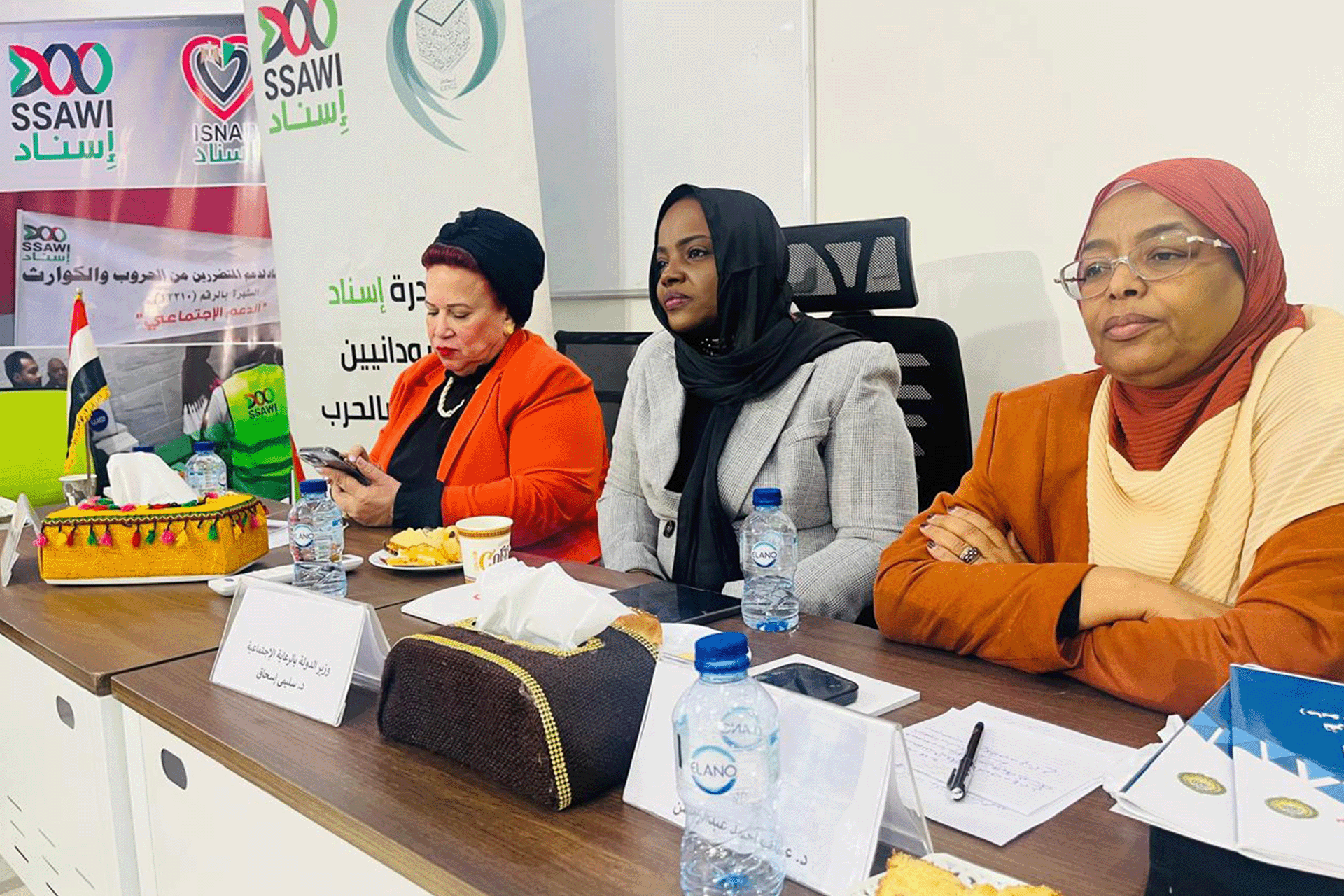
Sudanese Minister of State for Social Development and Human Resources, Salima Ishaq, has publicly accused the RSF of deliberately expanding the practice of forcibly recruiting children and young people into their ranks. Beyond this, she detailed disturbing allegations of sexual violence being used as a weapon of war, with girls being kidnapped and sold in neighboring countries allegedly complicit in the atrocities. These accusations, reported by Al Jazeera, highlight a deeply concerning pattern of abuse targeting vulnerable populations. The minister’s statements come amidst reports of intensified fighting and a deteriorating humanitarian situation across the country.
Forced Recruitment and the Targeting of Youth
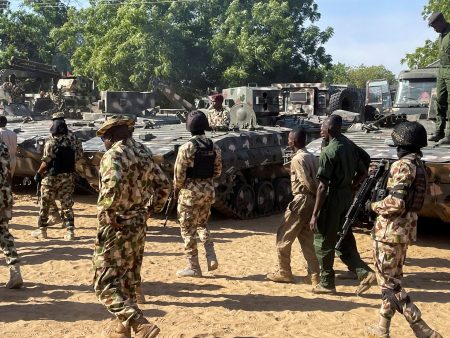
The reports indicate a recent surge in forced recruitment within West and South Kordofan states. The RSF are allegedly compelling young people to fight alongside them, depriving them of their childhoods and exposing them to extreme danger. This practice not only violates international law but also fuels the cycle of violence, creating a generation scarred by conflict. The long-term consequences of this trauma will be significant, requiring extensive rehabilitation and support programs. The situation is further complicated by the lack of access for humanitarian organizations to these affected areas, hindering efforts to identify and assist those forcibly recruited.
Sexual Violence as a Weapon of War
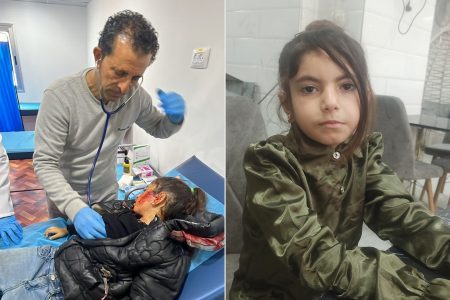
Ishaq’s testimony reveals a deliberate and systematic campaign of sexual violence in Sudan. The RSF are accused of using rape and other forms of sexual assault to terrorize communities, break their spirit, and exert control. The minister detailed harrowing accounts of girls being abducted and sold in markets in Chad and the Central African Republic, implicating authorities in those countries in the horrific trade. Furthermore, hundreds of women are reportedly being held captive in Nyala, with widespread disappearances occurring, often concealed by families fearing retribution.
The brutality extends beyond simple assault. Reports indicate instances of women being subjected to sexual slavery, denied food and water, and forced to consume drugs, compounding their physical and psychological trauma. A particularly shocking anecdote involved an RSF commander, known as “Pharaoh,” who flaunted stolen gold jewelry and instilled fear wherever he went during the occupation of Al Jazirah state. Cases of forced marriage, where families discover that multiple RSF soldiers are involved in the sexual assault of their daughters, have also been documented.
Documenting the Scale of the Crisis
While obtaining precise figures is challenging, the available data is deeply alarming. Before the fall of El Fasher, 1844 cases of survivors were recorded. Subsequently, 30 women were identified in Bara, North Kordofan, and 1300 survivors were documented by the Public Prosecution and its team in the Al Dibba displacement camps and among those fleeing El Fasher. The statistics are likely a significant underestimation due to the stigma surrounding sexual assault in Sudan and the fear of reporting.
The minister revealed that approximately 70% of the survivors have experienced induced abortions, and a staggering 221 cases involve victims under the age of 15, including five one-year-old girls. These figures underscore the urgent need for comprehensive medical and psychological support for survivors.
Challenges and Obstacles to Addressing the Violence
Addressing the issue of sexual violence in Sudan is fraught with difficulties. Deep-rooted social norms, legal complexities, and medical limitations create significant barriers to providing adequate care and justice for survivors. The legality of abortions for victims of rape remains a contentious issue, and societal attitudes often hinder open discussion and support.
The collapse of the healthcare system further exacerbates the problem, making access to medical care, including emergency contraception and post-rape treatment, extremely limited. Moreover, the minister highlighted the reluctance of some doctors to treat victims of sexual assault due to concerns about their reputation.
The situation is complicated by the fact that some women have been forced to engage with the RSF for survival and protection, and instances of suicide among survivors have been reported. The international community’s delayed response to the escalating violence, despite early warnings, is also a significant concern.
The Need for Urgent Action and Accountability
The evidence presented by Minister Ishaq and corroborated by other sources points to a systematic and widespread campaign of sexual violence and forced recruitment perpetrated by the RSF. This constitutes a grave violation of international humanitarian law and demands immediate and decisive action.
The international community must:
- Increase pressure on the RSF to end these atrocities.
- Provide substantial humanitarian assistance to support survivors.
- Investigate and prosecute perpetrators of sexual violence and war crimes in Sudan.
- Address the underlying social and legal factors that contribute to impunity.
- Support programs for the rehabilitation and reintegration of former child soldiers.
The crisis in Sudan requires a concerted global effort to protect vulnerable populations, hold perpetrators accountable, and pave the way for a lasting peace. Ignoring the plight of Sudanese women and children will have devastating consequences for the country’s future. The world must not stand by while these horrific crimes continue to unfold.