


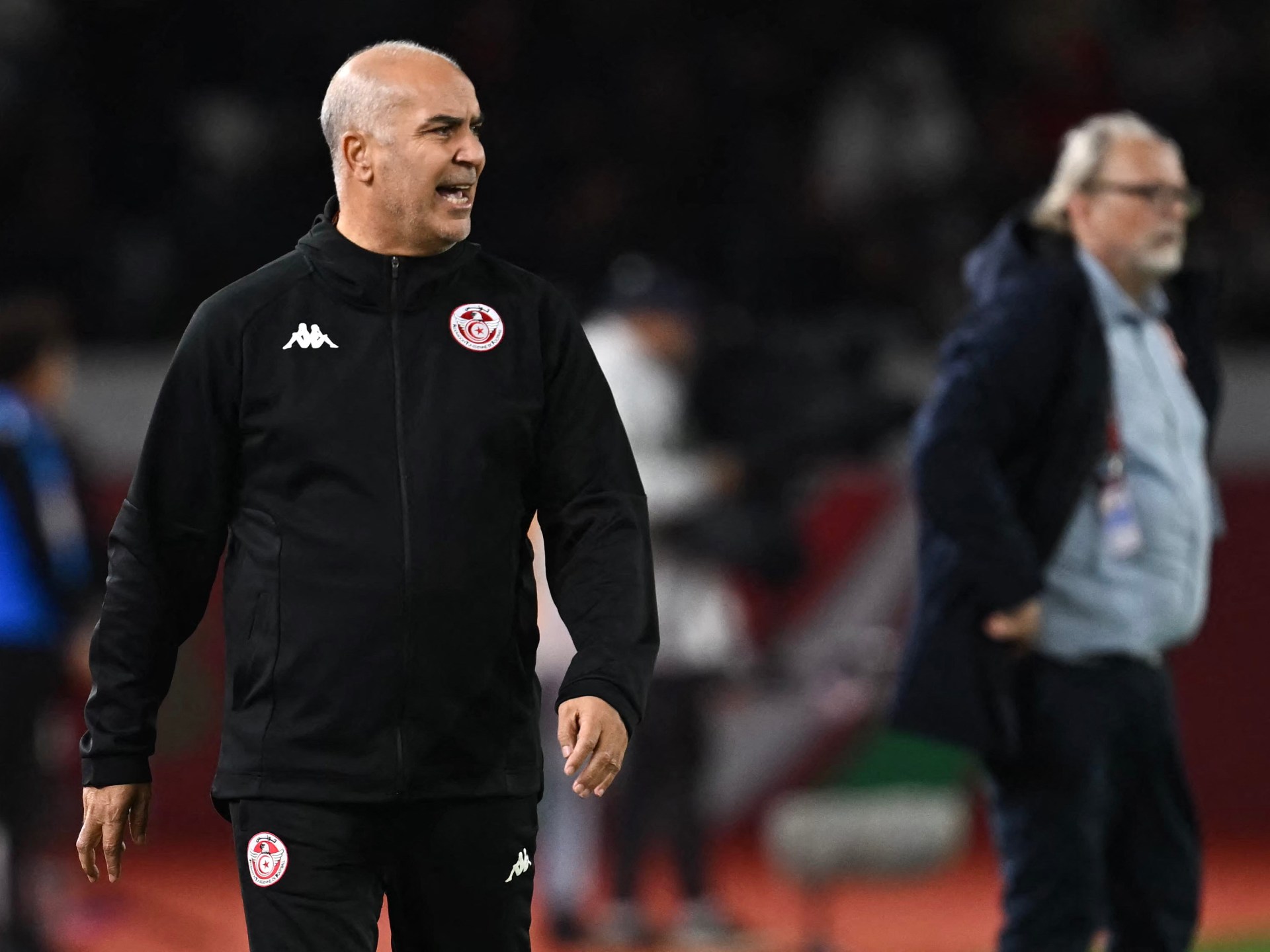
The Tunisian Football Federation (TFF) announced the departure of national team coach Sami Trabelsi on Sunday, following a disappointing early exit from the African Cup of Nations. This decision marks the end of Trabelsi’s second stint leading the نسور قرطاج (Carthage Eagles), a move heavily influenced by the team’s performance in the recent tournament. The focus now shifts to finding a new manager who can rebuild the team and restore national pride. This article delves deep into the details of سami Trabelsi’s dismissal and explores the potential path forward for Tunisian football.
قرار إنهاء عقد سامي الطرابلسي: نظرة مفصلة (Decision to End Sami Trabelsi’s Contract: A Detailed Look)
The official announcement came via the TFF’s Facebook page, stating the mutual agreement to terminate the contract of Trabelsi and his entire technical staff. This swift decision underscores the pressure faced by the TFF in light of the team’s failure to progress beyond the round of 16 in the recent African Cup of Nations. While the match against Mali ultimately ended in a penalty shootout loss (3-2 after a 1-1 draw), the overall performance throughout the tournament left much to be desired by fans and analysts alike.
The decision wasn’t entirely unexpected. The Tunisian public demanded accountability after the lackluster display, and the TFF responded, recognizing the need for change. However, it’s a difficult one considering Trabelsi’s previous contributions to the national team, especially his success with the local players.
تفاصيل الخروج من كأس الأمم الأفريقية (Details of the African Cup of Nations Exit)
The defeat against Mali was particularly painful as it highlighted several recurring issues within the national team. A slow start to the game, coupled with a lack of clinical finishing, put Tunisia under pressure. While they managed to equalize and force extra time, the inability to secure a victory in regulation or extra time ultimately led to the nerve-wracking penalty shootout.
The failure to capitalize on opportunities and the perceived tactical inflexibility during the match were heavily criticized. Fans expressed frustration on social media, demanding a fresh approach to the team’s strategy and player selection. The departure of سami Trabelsi is therefore viewed by many as a necessary step toward addressing these concerns.
مسيرة سامي الطرابلسي مع المنتخب التونسي (Sami Trabelsi’s Journey with the Tunisian National Team)
This isn’t the first time Trabelsi has departed from his post as Tunisia’s coach. He previously held the position from January 2011 to February 2013, a period remembered fondly by many Tunisian supporters. During his initial tenure, he achieved significant success, notably leading the team to victory in the 2011 African Nations Championship—a triumph that showcased the talent within the domestic league. He also guided Tunisia to the 2012 and 2013 AFCON finals.
His reappointment in February 2025 was met with a mix of optimism and caution. While his past achievements were acknowledged, concerns were raised about his ability to adapt to the evolving landscape of African football. Ultimately, the results spoke for themselves and led to the current circumstance. This period saw him implement new training regimens and attempt to integrate young players into the squad. The challenge, nonetheless, proved too substantial.
إنجازات و تحديات الفترة السابقة (Achievements & Challenges of the Previous Tenure)
Beyond the Nations Championship victory, Trabelsi’s early work focused on building a competitive squad, blending experience with emerging talent. However, his first spell ended with disagreements over the direction of the national team and questions surrounding his tactical decisions during crucial matches.
This time around, the challenges were amplified by a changing squad dynamic, increased competition from other African nations, and the evolving demands of modern football. Finding the right balance between experienced players and promising youngsters proved especially difficult, and the team struggled to consistently perform at a high level. Analyzing منتخب تونس’s performance reveals a pattern of inconsistency that ultimately cost Trabelsi his job.
ماذا بعد؟ البحث عن مدرب جديد (What Next? The Search for a New Coach)
With Trabelsi now gone, the TFF faces a crucial task: identifying a suitable replacement who can revitalize the national team. The ideal candidate should possess a strong tactical understanding of the game, experience in managing international teams, and a proven track record of success. Furthermore, they need to be able to connect with the players and inspire a winning mentality.
Several names are already being floated as potential contenders, ranging from established African coaches to experienced European tacticians. The TFF will undoubtedly conduct a thorough search, considering various factors such as coaching philosophy, availability, and financial constraints. Beyond the coach, a comprehensive review of the team’s overall structure and development programs will be essential.
The discussion of possible replacements is a key topic in Tunisian sports media, with articles focusing on potential candidates such as Nabil Maâloul, a familiar face in Tunisian football, and foreign options known for their success in African competitions. The next coach will undoubtedly be under immense pressure to deliver results and qualify for future tournaments, including the World Cup. The future of كرة القدم التونسية (Tunisian Football) hinges on making the right decision.
In conclusion, سami Trabelsi’s dismissal represents a pivotal moment for Tunisian football. While his previous contributions are acknowledged, the recent performance warranted a change in leadership. The TFF now embarks on the crucial process of finding a new coach capable of restoring the national team’s competitiveness and reigniting the passion of Tunisian fans. This transition period requires careful planning, a clear vision for the future, and a commitment to investing in the development of Tunisian football at all levels.