


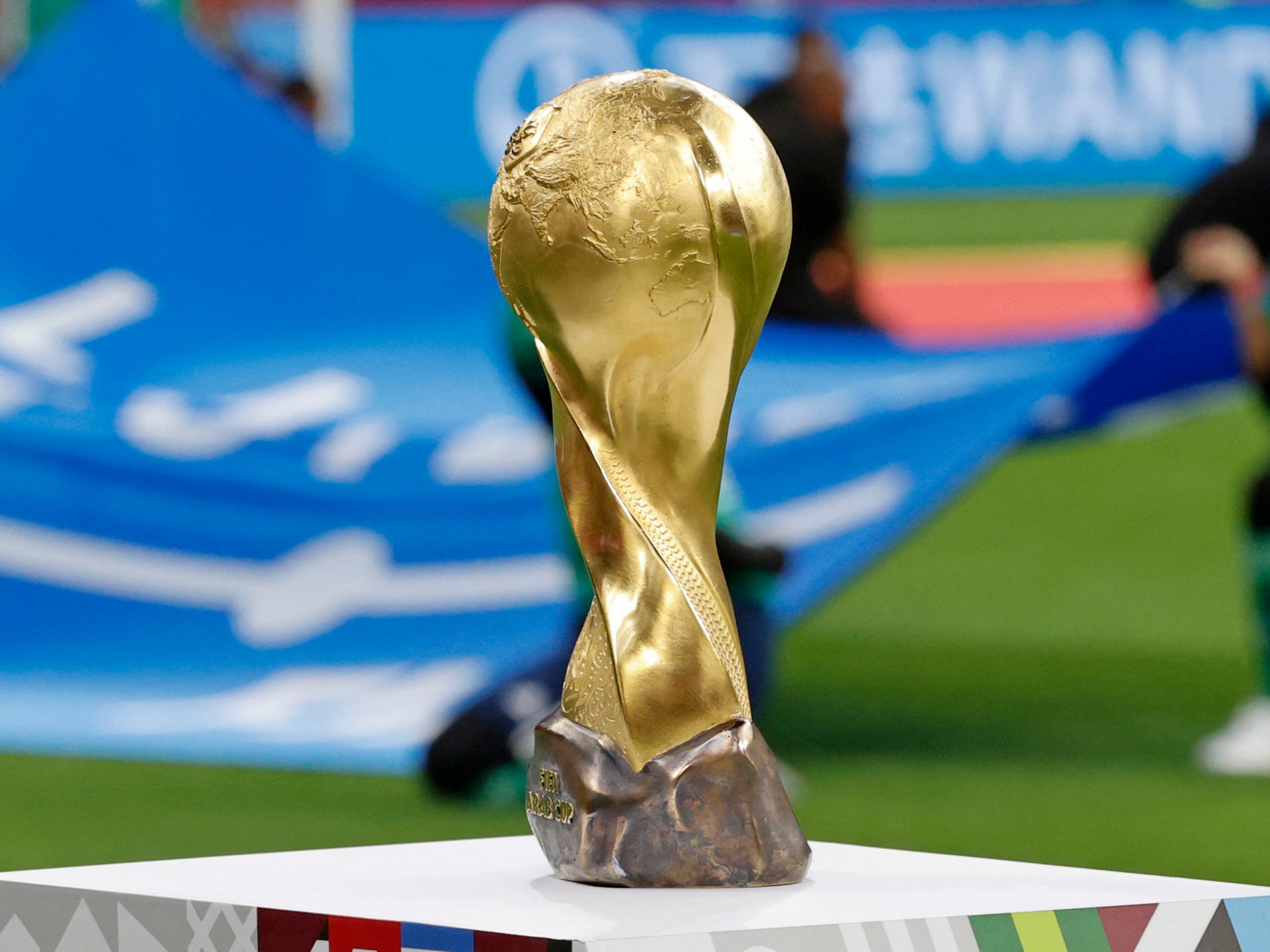
The 2025 Arab Cup has already delivered a thrilling group stage, filled with unexpected results and the emergence of potential champions. Eight teams have successfully navigated their way to the quarter-finals, setting the stage for a captivating knockout phase. This article delves into the performances of each group, highlighting the qualified teams, the surprising upsets, and the notable exits. We’ll also look ahead to the exciting كأس العرب 2025 (Arab Cup 2025) quarter-final matchups.
المجموعة الأولى: فلسطين وسوريا يزلزلان عرش العملاقين
The biggest shock of the tournament undoubtedly came from Group One. Pre-tournament favorites Qatar and Tunisia stumbled, while Palestine and Syria defied all expectations to secure their places in the last eight. Both teams reached the “Arab World Cup” through the play-offs, defeating Libya and South Sudan respectively, adding to the narrative of their underdog stories.
Qatar, the two-time defending Asian champions and automatic qualifiers for the 2026 World Cup, were widely tipped to top the group. Tunisia, having qualified for the World Cup without conceding a single goal, also appeared strong contenders. However, Palestine shattered those predictions by defeating Qatar in the opening match and securing a hard-fought 2-2 draw against Tunisia. A further draw against Syria cemented their position as group winners with 5 points.
Syria mirrored Palestine’s resilience, defeating Tunisia 1-0, drawing with Qatar 1-1, and Palestine 0-0. Their unbeaten run saw them finish second, also with 5 points.
Tunisia, despite a dominant 3-0 victory over Qatar, ultimately fell short, accumulating only 4 points. Qatar, the host nation, endured a disappointing campaign, finishing bottom of the group with just one point and failing to register a single win. This early exit represents a significant blow to their preparations for the 2026 World Cup.
المجموعة الثانية: المغرب والسعودية كما هو متوقع
Group Two unfolded largely as predicted, with Morocco and Saudi Arabia emerging as the qualified teams. “The Atlas Lions” topped the group, showcasing their quality and experience. “The Greens” followed closely behind, demonstrating their attacking prowess.
Morocco comfortably defeated Comoros 3-1 and then battled to a draw against Oman, even playing with ten men for a significant portion of the match. A hard-fought victory over Saudi Arabia secured their top spot.
Saudi Arabia started their campaign strongly, with convincing wins over Oman and Comoros. However, a loss to Morocco prevented them from claiming the group title, settling for second place with 6 points.
Oman, considered a potential dark horse, impressed with a win against Comoros and a draw against Morocco, but a defeat to Saudi Arabia ultimately led to their elimination. Comoros, unfortunately, proved to be the weakest link in the group, losing all three matches and failing to secure a single point. The بطولة كأس العرب (Arab Cup) proved a challenging environment for them.
المجموعة الثالثة: الأردن والإمارات يحققان المفاجأة
Group Three witnessed a major upset as the UAE joined a dominant Jordan in the quarter-finals, knocking out pre-tournament favorites Egypt and Kuwait.
Jordan were the standout performers, winning all three of their matches convincingly against the UAE, Kuwait, and Egypt. Their perfect record established them as serious contenders for the title.
The UAE, determined to bounce back from their failure to qualify for the 2026 World Cup, produced a remarkable turnaround. After a losing start against Jordan, they drew with Egypt and then secured a crucial victory over Kuwait, earning them a spot in the next round with 4 points.
Egypt, fielding a squad largely comprised of reserve players, underperformed significantly. Despite the experience of coach Helmy Toulan and several seasoned players, they failed to win a single match, drawing with Kuwait and the UAE, and suffering a heavy defeat against Jordan. Their campaign was a major disappointment.
Kuwait fought hard but ultimately fell short, managing only a draw against Egypt and losing to both Jordan and the UAE. They finished bottom of the group with just one point.
المجموعة الرابعة: الجزائر والعراق يتقدمان بثبات
Group Four saw Algeria and Iraq advance to the quarter-finals, fulfilling expectations. Bahrain and Sudan, however, were unable to mount a serious challenge.
Algeria, after a shaky start with a loss to Sudan and a draw against Bahrain, found their form, defeating Bahrain 5-0 and securing a victory over Iraq. They topped the group with 7 points.
Iraq qualified early with wins over Sudan and Bahrain, but their loss to Algeria saw them finish second.
Bahrain, despite being considered a potential surprise package, lost to both Iraq and Algeria. A morale-boosting win against Sudan wasn’t enough to secure their qualification.
Sudan’s participation was underwhelming, earning only one point from a draw against Algeria and losing to both Iraq and Bahrain. Their campaign ended in disappointment. The مباريات كأس العرب (Arab Cup Matches) were a tough test for the Sudanese squad.
مواجهات ربع نهائي كأس العرب 2025: صراع العمالقة والمفاجآت
The stage is now set for the quarter-finals, promising a thrilling spectacle. Here’s the schedule:
- Thursday, December 11th:
- 17:30 (Makkah Time): Morocco vs. Syria – Khalifa International Stadium
- 20:30 (Makkah Time): Palestine vs. Saudi Arabia – Lusail Stadium
- Friday, December 12th:
- 17:30 (Makkah Time): Jordan vs. Iraq – Education City Stadium
- 20:30 (Makkah Time): Algeria vs. UAE – Al Bayt Stadium
The semi-finals will be held on December 15th, culminating in the final on Thursday, December 18th, at Lusail Stadium at 7:00 PM (Makkah Time).
The الدوري العربي (Arab League) is eagerly anticipating the outcome of these matches. With a mix of established powerhouses and exciting underdogs, the 2025 Arab Cup promises a captivating conclusion. Will we see a repeat champion, or will a new name be etched onto the trophy? Only time will tell.