



The Moroccan national team enters the upcoming Africa Cup of Nations (AFCON) with a resolute determination to lift the coveted trophy, a sentiment emphatically expressed by head coach Walid Regragui. This ambition marks a significant shift in mindset for the Atlas Lions, moving beyond mere participation to actively vying for continental glory, fueled by the monumental success at the 2022 World Cup. As the tournament approaches, all eyes are on Morocco and their prospects for success – a topic dominating sports headlines and fan discussions across the nation and the continent. This article delves into Regragui’s statements, the team’s preparation, and the challenges they anticipate on their journey to potentially winning كأس أمم أفريقيا (AFCON).
Regragui’s Declaration of Intent: A Change in Mentality
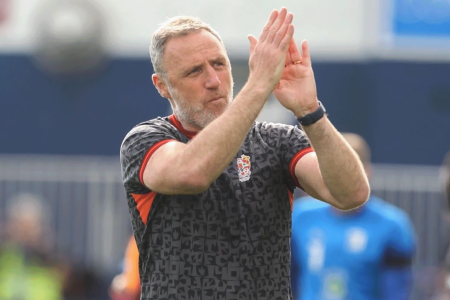
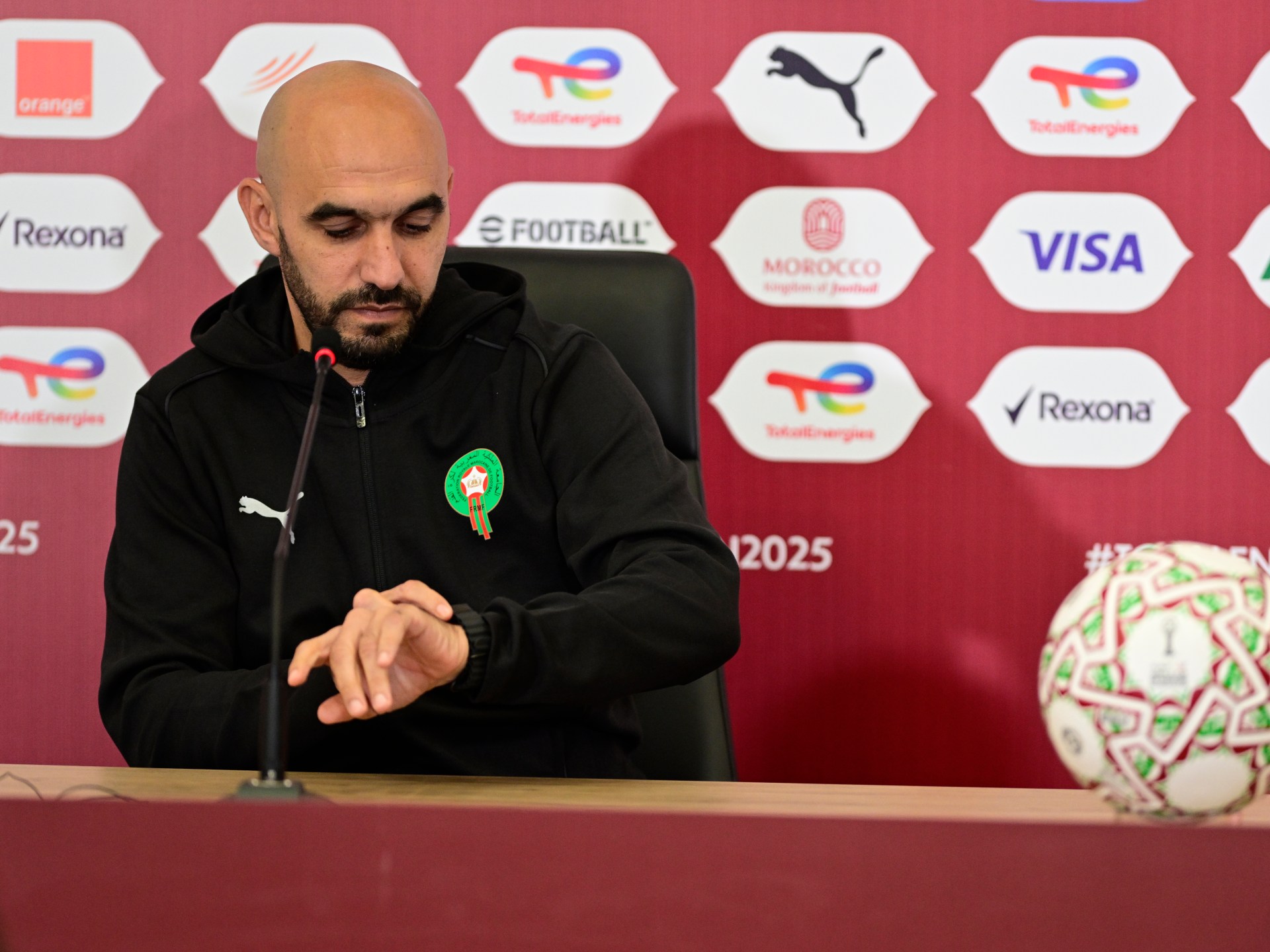
Walid Regragui has been very clear about his expectations for the team at كأس أمم أفريقيا. During a press conference held on Saturday, December 20, 2025, ahead of their opening match against Comoros on Sunday, he stated that the team’s focus isn’t simply to participate but to compete for and win the championship. He highlighted that this objective has been consistent since immediately following their impressive performance in the previous AFCON held in Côte d’Ivoire. The coach emphasized the need for a strong mental fortitude, reminding the players they represent Morocco and must demonstrate composure, patience, and humility throughout the tournament.
This declaration stands in stark contrast to the historical approach of previous Moroccan teams, who often set more modest goals. “Before, we hoped for just participation, even a draw against Spain. But someone, maybe a fool like me, came in 2022 and changed that belief,” Regragui remarked, referencing the transformative impact the World Cup run had on national expectations. This isn’t merely about football; it’s a symbol of a “New Morocco” confident in its abilities and striving for excellence across all fields.
Preparations and Challenges: A Short Lead Time
The preparation period for كأس أمم أفريقيا has been particularly condensed this year, extending to only one week. However, Regragui downplayed this as a unique obstacle, acknowledging that most participating nations faced similar time constraints due to club commitments. He insisted the squad is fully aware of the task at hand and that excuses are simply unacceptable, even in light of player injuries.
This sentiment underscores the coach’s emphasis on a results-oriented environment where accountability reigns supreme. He recognizes the physical and mental demands of the tournament, and expects his players to overcome any adversity. The importance of squad depth will be crucial, particularly managing the fitness of key players like Ashraf Hakimi, whose participation in the opening match remains uncertain. The team’s approach involves blending experienced veterans with promising young talents, laying the foundation for sustained success, including the 2030 World Cup which Morocco will host.
Navigating Club Conflicts and External Pressure
Securing the release of players from their European clubs proved challenging, with some clubs initially reluctant to let go of key personnel. Regragui expressed gratitude to Real Betis and Fenerbahçe for their understanding and cooperation, praising their professionalism. However, he also acknowledged difficult negotiations with Manchester United and Roma.
This highlights the ongoing power dynamics between national teams and clubs, especially given the financial weight of European football. Regragui recognizes that these conflicts are natural, as each party prioritizes its own interests. He has demonstrated the ability to diplomatically navigate these situations, ensuring the availability of a competitive squad.
Alongside club pressures, Regragui addressed the increasing scrutiny and expectation surrounding the team. He admitted to feeling the pressure, but framed it as a positive force. His goal has been to forge a new عقلية الفوز (winning mentality) within the team, shifting the focus from simply avoiding defeat to actively pursuing victory. The coach is quietly confident in the team’s ability to handle the pressure and deliver on their ambitious goals. This transition in mindset is arguably the most significant achievement of Regragui’s tenure thus far.
Expecting a Tough Tournament: Realistic Expectations
Despite the team’s ambitious targets, Regragui cautioned against expecting easy victories. He emphasized the high level of competition at كأس أمم أفريقيا and warned that encounters will be fiercely contested. He anticipates matches decided by narrow margins, potentially requiring late goals or comebacks.
This realism is a refreshing departure from overconfident pronouncements and demonstrates a pragmatic approach to tournament football. He recognizes the unpredictable nature of the game and the need for resilience and adaptability. Teams employing defensive tactics, like Comoros, could pose unexpected challenges and require careful preparation. He understands and prepares for scenarios where victory is hard-earned, and patience is paramount.
Ultimately, the Moroccan team’s success at this بطولة أفريقيا (African championship) will depend on their ability to translate this new-found belief and resilience into tangible results on the pitch. The coach has instilled a winning mentality, prioritised preparation under difficult circumstances, and managed expectations realistically. The journey promises to be challenging and captivating, and Moroccan football fans will undoubtedly be fervently supporting their Atlas Lions every step of the way.