



The Egyptian House of Representatives has convened its new session today, marking the culmination of a 99-day electoral process – the longest in the country’s history. This significant event ushers in a new legislative body poised to address national priorities, with the election of a Speaker at the top of its agenda. The formation of this new parliament, and specifically the مجلس النواب المصري (Egyptian House of Representatives), represents a crucial step in Egypt’s political landscape.
The Inauguration of the New Parliament
The opening session saw members gathering to begin the procedural steps of forming a functioning legislative branch. The 596-member body consists of 568 elected representatives and 28 appointees selected by presidential decree. The first order of business is the election of the Speaker of the House, followed by the swearing-in of all members.
This initial phase is vital for establishing order and setting the tone for the parliament’s subsequent proceedings. Minister of Parliamentary Affairs, Legal and Political Communication, Counselor Mahmoud Fouzi, highlighted the standard practice of holding a procedural session at the start of each legislative term. The session was presided over by veteran MP, Ablah El-Hawary (79), demonstrating a continuity of experience within the new assembly.
Election Results & Party Representation
The electoral outcome reflects a diverse range of political affiliations and independent voices. The results reveal that independent candidates secured 109 seats, representing 18% of the total. However, the most significant gains were made by the Future of the Nation Party (حزب مستقبل وطن), which claimed 231 seats.
Other key players and their seat allocations include:
- حماة وطن (Homat Watan): 91 seats
- الجبهة الوطنية (The National Front): 70 seats
- الشعب الجمهوري (Republican People’s Party): 28 seats
- المصري الديمقراطي (Egyptian Democratic Party): 12 seats
- الوفد (The Wafd Party): 12 seats
- العدل (The Justice Party): 11 seats
- الإصلاح والتنمية (Reform and Development Party): 11 seats
- النور (Al-Nour Party): 6 seats.
- التجمع (The Gathering Party): 5 seats
Several smaller parties also secured representation, demonstrating a broader, more fragmented political landscape. This broad representation emphasizes the importance of coalition-building and collaboration within the البرلمان المصري الجديد (New Egyptian Parliament).
A Lengthy and Complex Electoral Process
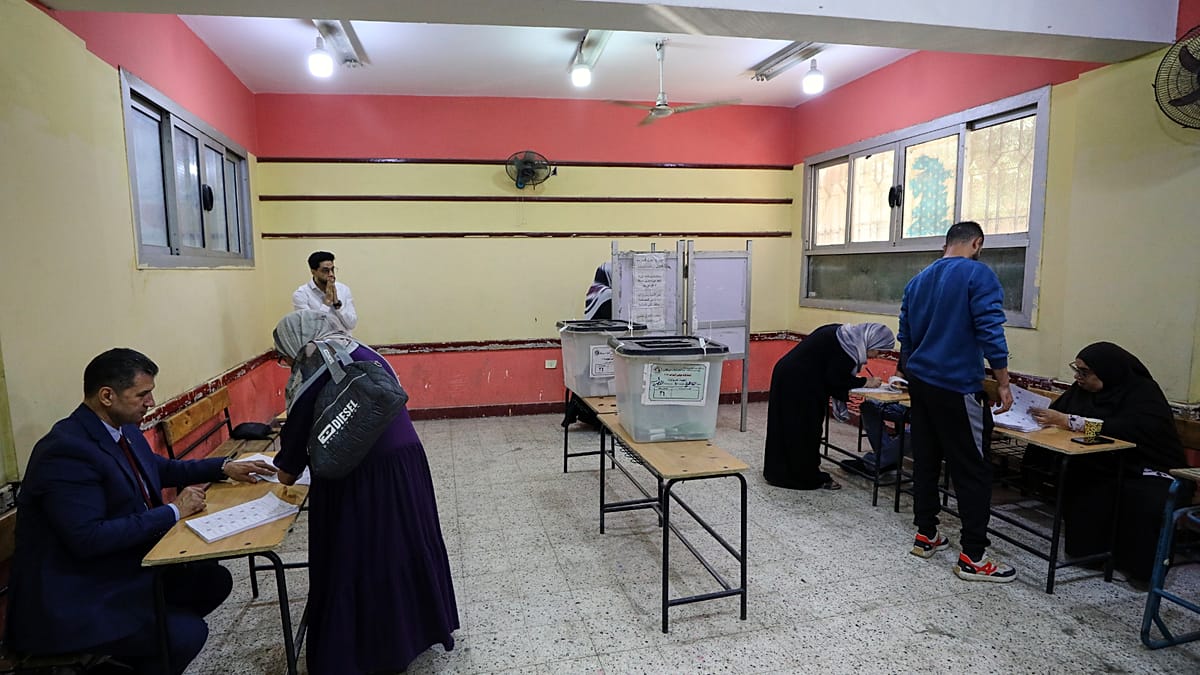
These elections were particularly notable for their extended duration, spanning a near 100-day period. The process unfolded in two phases, beginning with candidate registration in October 2025 and culminating in voting that continued through November. This prolonged schedule was due in part to unprecedented levels of re-voting required in almost half of the electoral districts.
Specifically, 49 out of 70 electoral districts necessitated a re-run following allegations of irregularities and “violations” during the initial polls, leading to the annulment of the original results, either by the electoral committee or through judicial rulings. This marked the first time in the era of President Abdel Fattah el-Sisi, who assumed power in 2014, that such a large-scale re-electoral process was ordered by either the Electoral Commission or the Supreme Court. The emphasis on ensuring a fair and transparent election process reflects a commitment to democratic principles, even amidst logistical challenges.
Voter Turnout and Legal Framework
The National Election Authority (NEA) revealed that out of a total eligible electorate of 69,891,913, approximately 22,657,211 voters participated in the elections, resulting in a voter turnout of 32.41%. Of the ballots cast, 21,150,656 were valid, while 1,506,555 were deemed invalid. Understanding مشاركة الناخبين (Voter Participation) is crucial for assessing the legitimacy and representativeness of the newly elected parliament.
The legal basis for the composition of the House of Representatives is outlined in Article 1 of the House of Representatives Law. It stipulates that the House should consist of 568 members elected through direct, secret, and universal suffrage. Furthermore, it mandates a minimum quota of 25% for female representation. The President retains the authority to appoint up to 5% of the members (28 seats), bringing the total parliamentary size to 596. This quota system aims to promote gender equality and ensure diverse perspectives within the legislative process.
Looking Ahead: Challenges and Opportunities for the مجلس النواب المصري
The convening of the new parliament presents both challenges and opportunities for Egypt. The lengthy electoral process and the relatively low voter turnout raise questions about public engagement and confidence in the political system. However, the diverse representation of political parties and independent candidates offers the potential for robust debate and effective policymaking.
The new مجلس النواب المصري will be tasked with addressing a range of pressing issues, including economic reforms, social development, and national security. Successfully navigating these challenges will require strong leadership, collaboration across party lines, and a commitment to serving the interests of the Egyptian people. The coming months will be critical in shaping the agenda and demonstrating the effectiveness of this newly formed legislative body.