






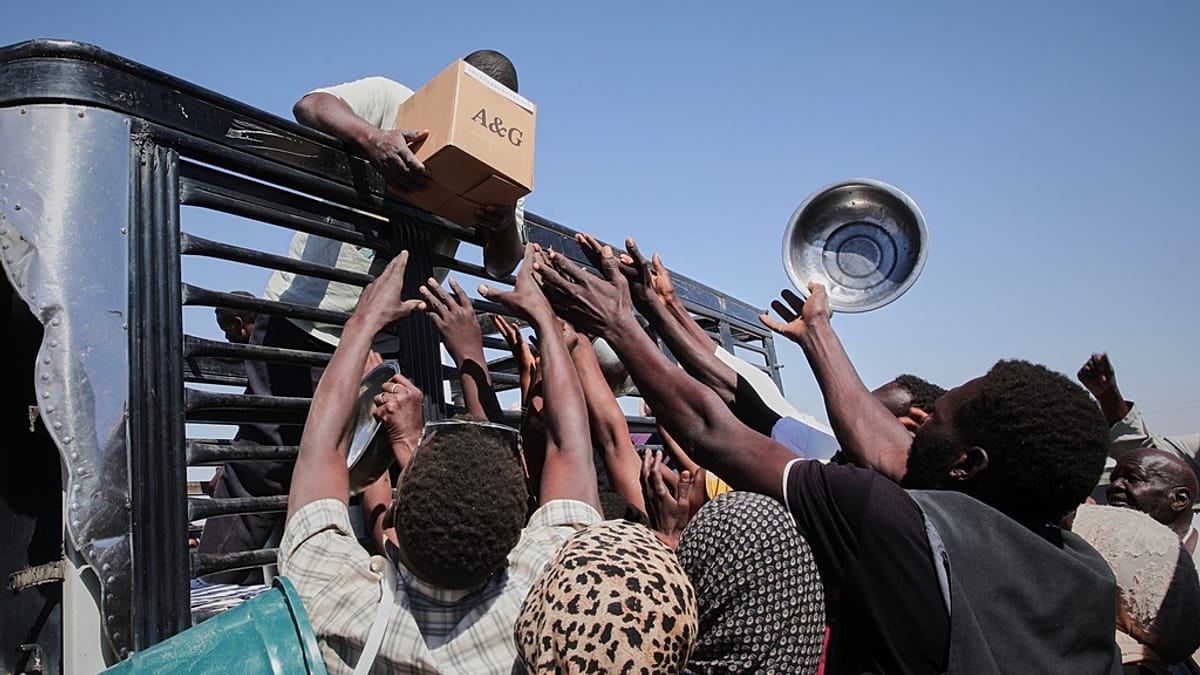
The Sudanese economy is facing a dire situation, exacerbated by the ongoing conflict. Minister of Finance and Economic Planning, Gabriel Ibrahim Mohamed, has described the economic landscape as “extremely difficult,” a consequence of widespread destruction, escalating military expenditure, and a sharp decline in revenue from gold and oil. These factors, stemming from the nearly three-year-long war against the Rapid Support Forces (RSF), are pushing the nation towards complete economic collapse. This article will delve into the specifics of the Sudanese economic crisis, exploring its causes, current state, and potential pathways to recovery.
The Devastating Impact of the Conflict on Sudan’s Economy
Before the outbreak of the conflict in April 2023, Sudan was already one of the world’s poorest countries. The war, however, has dramatically worsened the situation, effectively dismantling key economic pillars. Ibrahim highlighted that the country “lost all state revenue sources at the beginning of the war” when the RSF seized control of Khartoum and surrounding areas.
Concentration of Economic Activity
A significant portion – approximately 80% – of Sudan’s pre-war economic activity and revenue generation was concentrated in central Sudan. This region housed the majority of industries, major companies, and overall economic output. The disruption caused by fighting in this area has had a cascading effect on the entire nation. The minister, who appeared in uniform during the interview, also noted his movement, the Justice and Equality Movement, now aligns with the army under the “Joint Force” alliance.
Declining Revenue Streams: Gold, Oil, and Agriculture
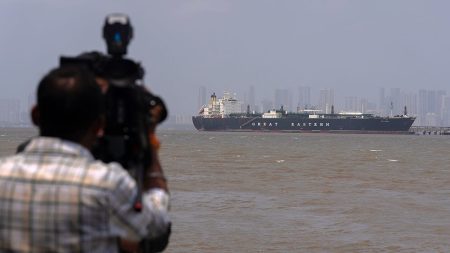
The war has severely impacted Sudan’s primary revenue sources. While gold production has continued to increase year-on-year, a substantial portion is being smuggled out of the country, primarily to Gulf states, especially the United Arab Emirates. In 2025, Sudan produced 70 tons of gold, but only 20 tons were officially exported, resulting in significant losses to the national treasury due to organized smuggling networks, which cost the country $1.57 billion in 2024 alone.
Agricultural exports have plummeted by 43% due to the RSF’s control over key production areas for gum arabic, sesame, and peanuts in West Darfur and South Kordofan. Livestock exports, also largely based in Darfur, have seen a decline of 55%. The capture of the army’s last strongholds in Darfur by the RSF in October further shifted the conflict eastward to the oil-rich Kordofan region, leading to a more than 50% reduction in oil revenues and substantial damage to the Al-Jili refinery, the country’s largest.
Military Spending and Reconstruction Costs
The Sudanese government has been forced to prioritize military spending in response to the escalating conflict. The allocation for the armed forces has been increased from 36% of the 2024 budget to 40% in the following year. While the exact financial figures remain undisclosed, this shift clearly demonstrates the strain the war is placing on the nation’s finances.
The cost of rebuilding areas recaptured by the army is estimated at a staggering $200 billion, according to official figures released in December 2024. This immense financial burden underscores the long-term economic challenges facing Sudan. Addressing this economic devastation will require significant international assistance and a stable security environment.
Seeking Investment for Reconstruction
Recognizing the scale of the reconstruction effort, the Sudanese government is actively seeking partnerships with the private sector. Ibrahim expressed hope in attracting companies “willing to spend money” on infrastructure projects. The Sudanese Red Sea coast, handling around 12% of global maritime shipping, is attracting international interest for the development of strategic ports.
Geopolitical Interests in Sudanese Ports
Saudi Arabia and Qatar are identified as the “main contenders” for port construction projects. An initial agreement for an Emirati economic zone was in place before the war, but Ibrahim expressed skepticism about its future, citing the UAE’s alleged support for the RSF – accusations that the Emirates deny. Russia also reportedly expressed interest in a “small port for storing supplies,” but has yet to follow through. These competing interests highlight the geopolitical significance of Sudan’s coastal region and the potential for foreign investment in its recovery.
Macroeconomic Indicators: A Grim Picture
The macroeconomic indicators paint a bleak picture of the Sudanese economy. The public debt reached 253% of GDP in 2023, slightly decreasing to 221% in 2025, according to the International Monetary Fund. Annual inflation has remained stubbornly high, reaching 151% in 2025 after peaking at 358% in 2021. The national currency has collapsed, with the US dollar exchange rate soaring from 570 Sudanese pounds before the war to 3500 pounds in 2026.
International Challenges and Personal Sanctions
Beyond the domestic economic crisis, Ibrahim faces international challenges. He is among Sudanese officials sanctioned by the United States as part of efforts to “curb Islamist influence within Sudan and restrain Iran’s regional activities.” The 71-year-old minister first joined the government in 2021 under a short-lived transitional administration and remained in his post following the subsequent military coup.
In conclusion, the Sudanese economic crisis is deeply intertwined with the ongoing conflict. The loss of revenue, increased military spending, and massive reconstruction costs present formidable challenges. Securing international partnerships, combating smuggling, and achieving a lasting peace are crucial steps towards rebuilding Sudan’s shattered economy and alleviating the suffering of its people. The path to recovery will be long and arduous, requiring sustained commitment from both the Sudanese government and the international community.