



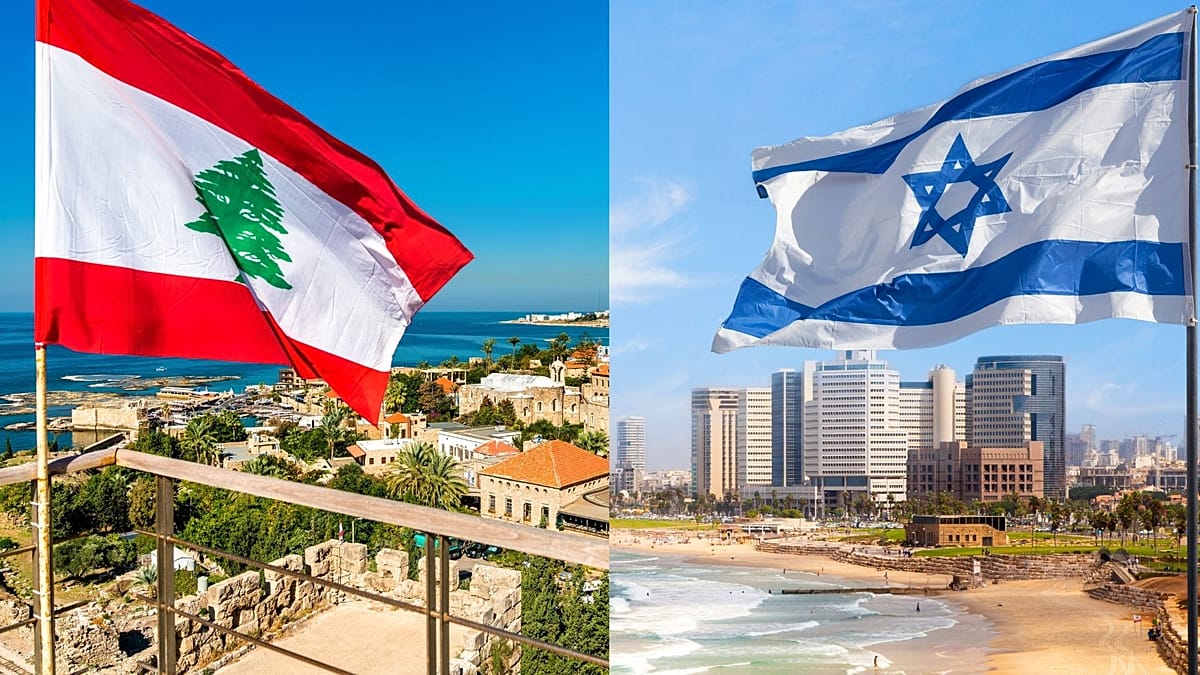
The situation between Lebanon and Israel remains a complex tapestry of cautious diplomacy, ongoing conflict, and internal political maneuvering. Recent developments, including direct talks facilitated by the United States and a Lebanese government decision to limit arms possession to the state, offer a glimmer of hope for a more stable future. However, persistent Israeli strikes and the continued presence of armed non-state actors, specifically حزب الله (Hezbollah), cast a long shadow over these efforts. This article will delve into the current state of affairs, examining the diplomatic initiatives, the security challenges, and the internal Lebanese dynamics shaping the path forward.
تطورات الحوار بين لبنان وإسرائيل: نحو منطقة أكثر استقرارًا؟ (Developments in Lebanon-Israel Dialogue: Towards a More Stable Region?)
In a significant step, representatives from Lebanon and Israel held their first direct talks in decades last December. These discussions, occurring within a framework for monitoring the ceasefire led by the United States for nearly a year, were spurred by American pressure to establish direct communication channels. The Israeli government viewed these talks as a preliminary attempt to lay the groundwork for future relations, while Lebanon officially expressed its readiness to engage in negotiations aimed at ending the occupation and halting aggression.
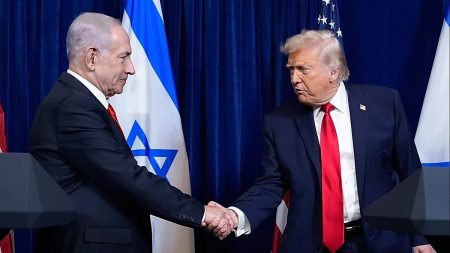
Prime Minister Benjamin Netanyahu reiterated his call for Lebanon to join the “Abraham Accords,” the agreements that normalized relations between Israel and several Arab and Islamic nations. Past attempts at direct dialogue, notably in 1983 following Israel’s invasion of Lebanon, resulted in a signed agreement that ultimately failed ratification. According to Netanyahu’s office, any future discussions are also expected to address potential “economic cooperation” alongside political and security concerns. This potential for economic benefit is a key element being floated as a possible incentive for lasting peace.
الغارات الإسرائيلية المستمرة وتأثيرها على الاستقرار (Continued Israeli Strikes and Their Impact on Stability)
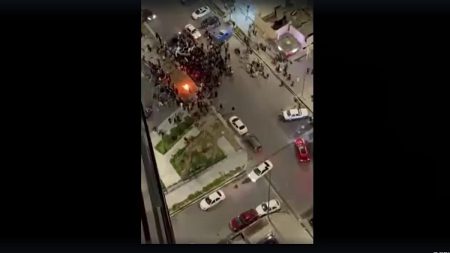
Despite the ceasefire reached in November 2024, Israel continues to conduct near-daily airstrikes within Lebanon. Tel Aviv justifies these actions as targeting elements, facilities, and weapons caches belonging to حزب الله (Hezbollah), asserting its determination to prevent the group from rebuilding its military capabilities. These violations of the ceasefire have resulted in hundreds of casualties.
Furthermore, Israel continues to occupy five Lebanese hills seized during the recent conflict, along with other areas it has held for decades. This ongoing occupation remains a major point of contention and a significant obstacle to achieving lasting peace. The situation is further complicated by the presence of unexploded ordnance and the disruption of civilian life in border regions.
خطة الجيش اللبناني لحصر السلاح: تحديات وفرص (The Lebanese Army Plan to Limit Arms: Challenges and Opportunities)
On August 5th, 2025, the Lebanese government approved a decision to restrict arms possession to the state, including those held by حزب الله (Hezbollah). The army’s plan comprises five phases, with the second phase focusing on the area extending from north of the Litani River to the south of Sidon. The government is scheduled to discuss this phase in February, paving the way for its implementation.
The Lebanese Army announced in January the completion of the first phase of the plan to disarm Hezbollah, aiming to consolidate state control over weaponry. The army confirmed operational control over the territory south of the Litani River, extending approximately 30 kilometers from the Israeli border, excluding areas still under Israeli occupation. In a statement last week, the army declared that its plan had “achieved the objectives of its first phase in southern Lebanon and has entered an advanced stage,” while warning that “Israeli attacks and occupation of Lebanese sites negatively affect its completion.” Israel, however, has expressed skepticism, deeming the steps insufficient.
مواقف الأطراف المعنية: رؤى متباينة (Positions of the Parties Involved: Divergent Visions)
President of the Republic of Lebanon, Joseph Aoun, recently announced “unprecedented progress” in the effort to limit arms and assert state authority. He stated that the achievements during his first year in office surpassed those of the previous four decades, emphasizing the continuation of this path despite Israeli aggression and doubt. This reflects a strong desire within the Lebanese government to re-establish full sovereignty over its territory.
Conversely, Hezbollah consistently reaffirms its commitment to maintaining its weapons, calling for an “end to Israeli aggression against Lebanon and its withdrawal from occupied territories.” This stance highlights the group’s perception of its role as a defender of Lebanon against external threats and its unwillingness to disarm without guarantees of security and territorial integrity. The differing perspectives represent a fundamental challenge to any long-term peace process. The issue of السيادة اللبنانية (Lebanese sovereignty) is central to the debate.
مستقبل العلاقات اللبنانية الإسرائيلية: نظرة إلى الأمام (The Future of Lebanese-Israeli Relations: A Look Ahead)
The current situation presents a delicate balance between diplomatic openings and persistent security challenges. While the direct talks and the Lebanese government’s decision to limit arms represent positive steps, the continued Israeli strikes and Hezbollah’s unwavering stance on its weaponry threaten to derail progress. Successfully navigating this complex landscape requires sustained diplomatic efforts, a commitment to de-escalation from all parties, and a genuine willingness to address the underlying issues driving the conflict.
Ultimately, achieving a “more peaceful and prosperous region,” as stated in the joint communiqué, hinges on building trust, fostering economic cooperation, and resolving the long-standing disputes over territory and security. The role of international mediators, particularly the United States, will be crucial in facilitating these discussions and ensuring that all voices are heard. Further monitoring of the implementation of the Lebanese army’s plan and a clear commitment from Israel to cease its violations of the ceasefire are essential preconditions for a more stable future.