




The selection of Nouri al-Maliki as the nominee for Prime Minister of Iraq by the Coordination Framework alliance marks a pivotal moment in the nation’s political landscape. This decision, announced on Saturday, sets the stage for complex negotiations and a potential shift in Iraq’s internal and foreign policies. The appointment of a new prime minister is crucial for navigating the delicate balance of power within the country, particularly concerning the influence of both the United States and Iran. This article will delve into the implications of this nomination, the challenges ahead, and the historical context surrounding نوري المالكي (Nouri al-Maliki).
ترشيح نوري المالكي لرئاسة الوزراء: بداية مرحلة جديدة؟ (Nouri al-Maliki’s Nomination for Prime Minister: The Beginning of a New Phase?)
The Coordination Framework’s announcement followed “in-depth and extensive” discussions, highlighting the significance of this choice. The alliance cited al-Maliki’s “political and administrative experience, and his role in managing the state” as key factors in their decision. Crucially, they affirmed their commitment to the constitutional process and pledged to collaborate with all national forces to form a government capable of addressing Iraq’s numerous challenges – from providing essential services to safeguarding its security and unity. This commitment to the constitutional path is a vital signal, given past political stalemates.
المشهد السياسي العراقي: المحاصصة والتحديات (The Iraqi Political Landscape: Consociationalism and Challenges)
Iraq’s political system is deeply rooted in a tradition of power-sharing, often referred to as muhasasa (محاصصة). This unwritten rule dictates that key positions are allocated based on sectarian and ethnic affiliation: a Shia politician heads the government, a Kurd presides over the republic, and a Sunni leads the parliament. This system, while intended to ensure representation, often leads to political fragmentation and delays in forming effective governments. The position of Prime Minister, therefore, holds the most substantial executive power.
The current political climate is characterized by this fragmentation, hindering consensus on key appointments and sometimes disrupting adherence to constitutional timelines. The Coordination Framework secured the largest parliamentary bloc with 175 seats out of 329 following the November 11th legislative elections, initiating consultations to select a prime ministerial candidate. The recent election of the Speaker and Deputy Speakers of Parliament, while a step forward, underscores the ongoing need for compromise and cooperation. The next crucial step, electing a President within 30 days, will pave the way for the nomination of a Prime Minister and the subsequent government formation within another 15 days.
من هو نوري المالكي؟ نظرة على مسيرته السياسية (Who is Nouri al-Maliki? A Look at His Political Career)
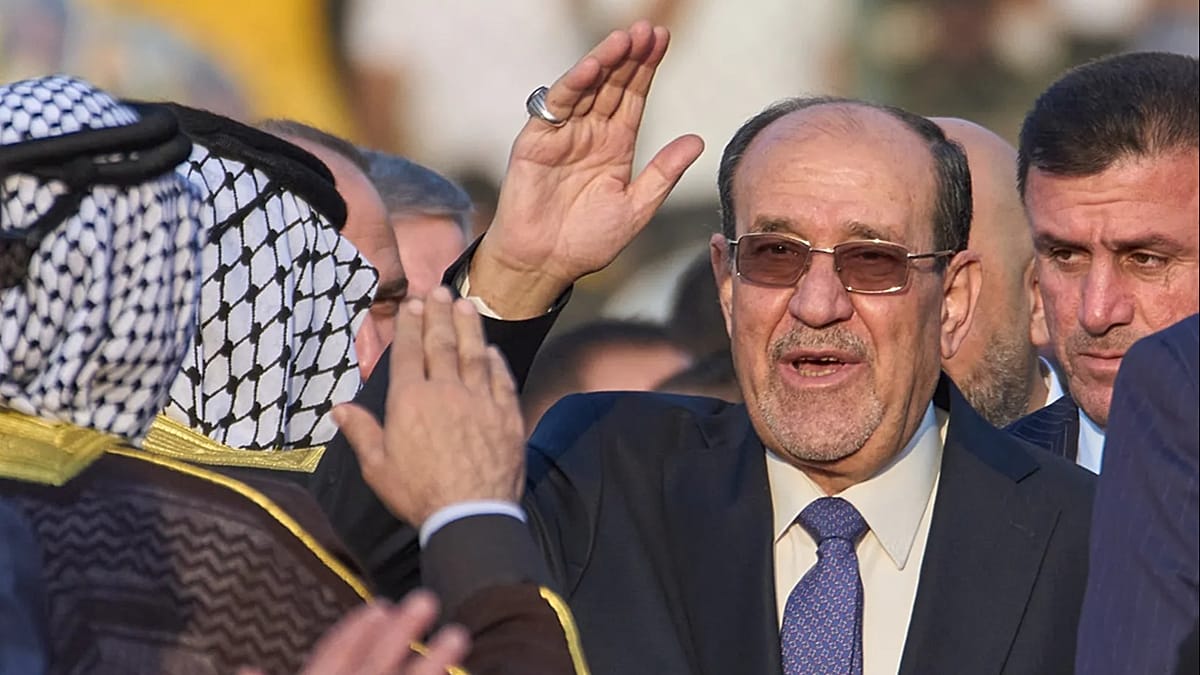
نوري المالكي (Nouri al-Maliki), a prominent figure within the Shia Islamic Dawa Party, previously served as Prime Minister for two consecutive terms, from 2006 to 2014. His tenure coincided with a transformative and turbulent period in Iraq’s modern history, following the 2003 US-led invasion.
During his time in office, Iraq witnessed the withdrawal of US forces, a brutal sectarian civil war, escalating tensions with Sunni and Kurdish factions, and ultimately, the rise and rapid expansion of ISIS in 2014. The latter event, in particular, led to widespread criticism and ultimately contributed to his departure from the premiership.
However, al-Maliki remained a significant force in Iraqi politics, leading the State of Law Coalition and maintaining strong ties with Iran-backed factions. His ability to navigate the complex relationship between Tehran and Washington has positioned him as a key player behind the scenes of Iraqi decision-making. His return to the forefront raises questions about his past performance and the potential for renewed sectarian divisions. The issue of ISIS’s resurgence and the failures in preventing its initial expansion are likely to be revisited during the confirmation process.
التحديات المقبلة: توازن القوى وتفكيك الميليشيات (Upcoming Challenges: Balance of Power and Disbanding Militias)
The appointment of نوري المالكي presents a unique set of challenges. The new government will be tasked with navigating the intricate balance of influence between the United States and Iran in Iraq. Washington is increasingly pressuring Baghdad to dismantle dozens of armed groups affiliated with Iran, groups that often demonstrate greater loyalty to their leaders than to the Iraqi state. This demand is a major point of contention, as these groups are integral to the Coordination Framework’s power base.
Furthermore, the government must address the pressing economic needs of the Iraqi population, combat corruption, and strengthen state institutions. Successfully tackling these issues will require broad-based political support and a commitment to inclusive governance. The legacy of sectarianism, exacerbated during al-Maliki’s previous term, remains a significant obstacle to national unity and stability.
مستقبل العراق: هل يمثل ترشيح المالكي نقطة تحول؟ (The Future of Iraq: Does al-Maliki’s Nomination Represent a Turning Point?)
The nomination of نوري المالكي as the potential next Prime Minister of Iraq is a complex development with far-reaching implications. While his experience is undeniable, his past record is also subject to scrutiny. The coming weeks will be critical as negotiations unfold and the new government takes shape. The ability of the Coordination Framework and other political actors to forge a consensus, address the concerns of all Iraqis, and navigate the geopolitical pressures will ultimately determine the future trajectory of the country. The success of this new phase hinges on a commitment to genuine reform, inclusive governance, and a strong, independent Iraqi state.