




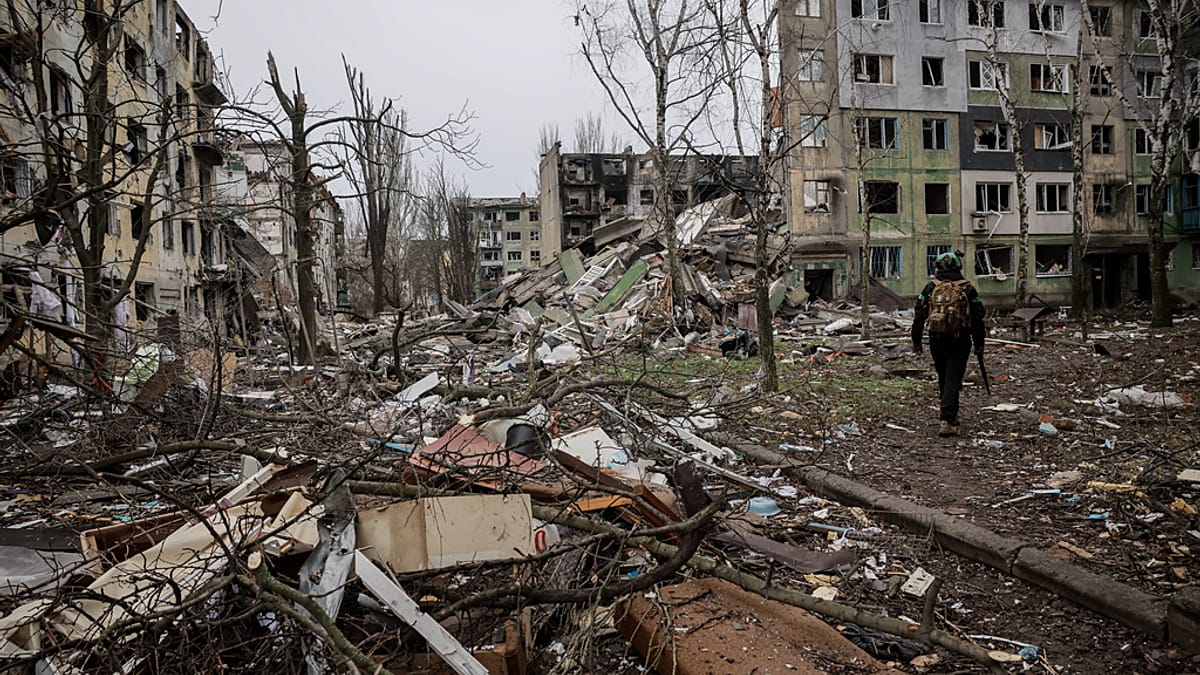
The escalating conflict in Ukraine continues to dominate international headlines, with recent developments highlighting both the intensity of the fighting and fragile diplomatic efforts. This article details the latest events as of December 28, 2025, focusing on the ongoing هجمات روسية على أوكرانيا (Russian attacks on Ukraine) and the attempts to mitigate the risks associated with the Zaporizhzhia nuclear power plant. The situation remains volatile, demanding continued attention and analysis.
تصعيد القصف الروسي على عدة جبهات (Escalation of Russian Shelling on Multiple Fronts)
Over the weekend, Russia launched a significant wave of attacks against Ukraine, deploying 48 drones targeting various regions. The eastern region of Donetsk bore the brunt of the assault, tragically resulting in the death of a 51-year-old man in the city of Sloviansk. He was killed by a bomb while tending to his garden, a stark reminder of the civilian cost of this protracted war. Five other individuals sustained injuries in attacks across the Kherson region, further illustrating the widespread impact of the hostilities.
Emergency services are working tirelessly to respond to the attacks. In the southern Odesa region, dozens of firefighters battled a blaze ignited by a drone strike, desperately trying to prevent the fire from spreading to residential areas. The situation underscores the vulnerability of civilian infrastructure to these attacks.
Further north, in the Sumy region, a critical infrastructure facility was struck twice. Remarkably, Ukrainian emergency services were already on-site during the second attack, indicating a proactive response and preparedness, though thankfully no injuries were reported. These coordinated strikes demonstrate Russia’s continued focus on disrupting Ukrainian infrastructure and logistics.
اتفاق وقف إطلاق نار مؤقت حول محطة زابوريجيا النووية (Temporary Ceasefire Agreement Around the Zaporizhzhia Nuclear Plant)
Amidst the relentless fighting, a rare glimmer of hope emerged with the agreement of a temporary ceasefire around the Zaporizhzhia Nuclear Power Plant. This plant, currently under Russian control, has been a source of immense international concern due to the potential for a catastrophic nuclear accident.
The agreement, reached between Ukraine and Russia, allows for crucial repair work to be conducted at the facility. This is vital to ensure the plant’s safety and prevent a potential disaster that could have devastating consequences for the region and beyond. The international community has consistently called for the demilitarization of the plant and the establishment of a secure safety zone. This temporary ceasefire represents a small, but significant, step in that direction.
الهجمات المضادة الأوكرانية وتصعيد الردع (Ukrainian Counterattacks and Escalation of Deterrence)
Ukraine has not remained passive in the face of these attacks. Reports indicate that Ukrainian drones targeted the Syzran oil refinery in Russia’s Samara region. This strike, alongside attacks on other Russian military sites in occupied Ukrainian territory, signals a growing Ukrainian capability to strike deep inside Russia.
Moscow, in turn, released footage purportedly showing artillery units targeting Ukrainian positions within the Donetsk region. This exchange of fire highlights the ongoing, reciprocal nature of the conflict and the increasing reliance on long-range weaponry. The الحرب في أوكرانيا (Ukraine war) is evolving into a war of attrition, with both sides seeking to degrade the other’s military capabilities.
المساعي الدبلوماسية وزيارة زيلينسكي للولايات المتحدة (Diplomatic Efforts and Zelenskyy’s Visit to the United States)
Despite the intense fighting, diplomatic efforts to find a resolution to the conflict continue. Ukrainian President Volodymyr Zelenskyy recently arrived in Miami, USA, to discuss a proposed peace plan with American officials. This visit underscores the crucial role of the United States in supporting Ukraine and mediating a potential end to the hostilities.
The details of the peace plan remain confidential, but it is believed to focus on restoring Ukraine’s territorial integrity and ensuring its long-term security. The success of these diplomatic initiatives will depend on the willingness of both Russia and Ukraine to compromise and engage in meaningful negotiations. The international community is closely watching these developments, hoping for a breakthrough that can bring an end to the suffering and instability caused by the الأزمة الأوكرانية (Ukrainian crisis).
التحديات المستقبلية والبحث عن حلول (Future Challenges and the Search for Solutions)
The recent escalation in هجمات روسية على أوكرانيا (Russian attacks on Ukraine) demonstrates the continued complexity and volatility of the situation. While the temporary ceasefire around the Zaporizhzhia nuclear plant offers a brief respite, the underlying issues remain unresolved. The need for sustained international pressure on Russia to de-escalate the conflict and respect Ukraine’s sovereignty is paramount.
Furthermore, the increasing frequency of Ukrainian counterattacks raises concerns about potential escalation. Finding a balance between supporting Ukraine’s right to defend itself and preventing a wider conflict will be a key challenge for the international community in the coming months. The ongoing diplomatic efforts, including President Zelenskyy’s visit to the United States, represent a vital pathway towards a peaceful resolution. However, a lasting solution will require a commitment to dialogue, compromise, and a genuine desire to end the suffering of the Ukrainian people.
It is crucial to stay informed about the evolving situation in Ukraine and to support efforts aimed at achieving a just and sustainable peace. Readers are encouraged to follow reputable news sources and engage in constructive discussions about the future of the region.