





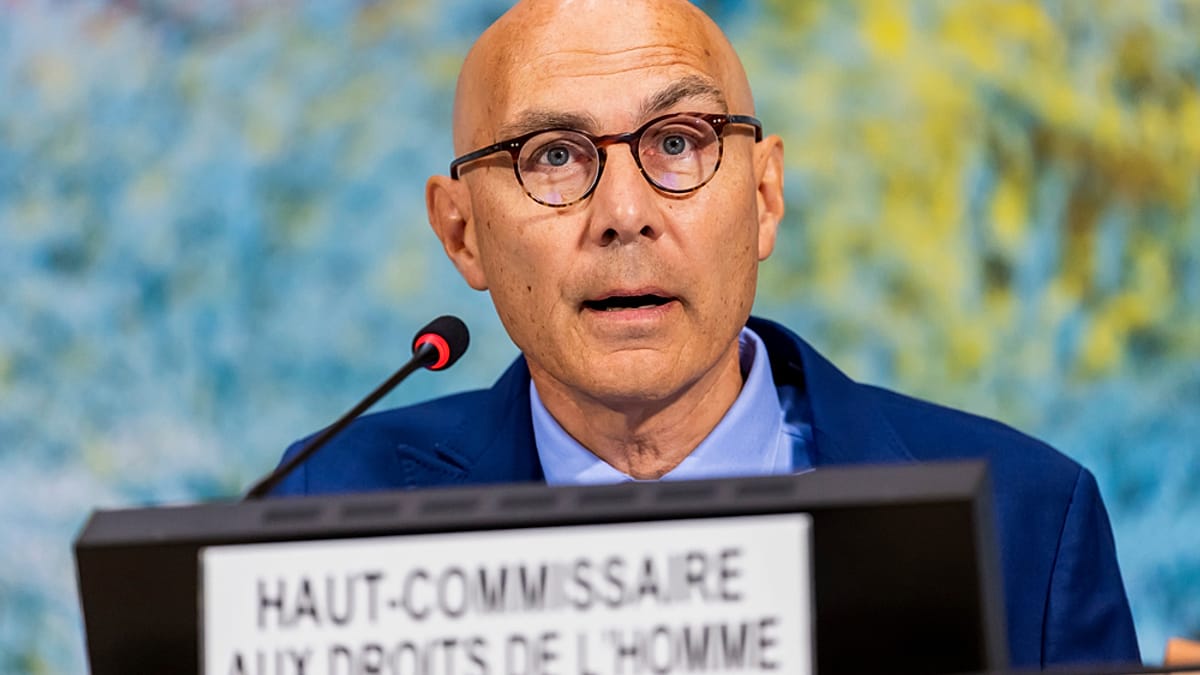
The situation in Sudan continues to deteriorate, marked by escalating violence and a rapidly unfolding humanitarian crisis. The recent warning from the UN High Commissioner for Human Rights, Volker Türk, underscores the severity of the ongoing conflict and the urgent need for intervention. This article delves into the details of his report, the escalating dangers faced by Sudanese civilians, and the looming threat of famine, focusing on the critical issue of السودان (Sudan) and the escalating human rights violations.
تصعيد الانتهاكات بحق المدنيين في السودان (Escalation of Violations Against Civilians in Sudan)
Volker Türk’s recent visit to Sudan, encompassing cities like Port Sudan, Dongola, Dabbeh, and Merowe, revealed a deeply disturbing pattern of abuses perpetrated by the Rapid Support Forces (RSF). His assessment is stark: these violations, including attacks on civilian infrastructure, sexual violence, and deliberate killings, potentially constitute war crimes. The commissioner’s call for an immediate cessation of hostilities and the guarantee of civilian protection is a desperate plea echoing the suffering of millions. The core of the issue remains the ongoing conflict and its devastating impact on the السودان (Sudan).
استهداف البنية التحتية المدنية (Targeting of Civilian Infrastructure)
Türk specifically highlighted the repeated attacks on the Merowe Dam and its associated power station. These attacks aren’t simply acts of destruction; they have crippling consequences for the civilian population. The resulting power outages have paralyzed hospitals, disrupted irrigation systems, and cut off access to clean water. Such deliberate targeting of vital infrastructure is a grave breach of international humanitarian law, designed to inflict suffering on the civilian population. This deliberate disruption is exacerbating the already dire humanitarian situation in السودان (Sudan).
الأزمة الإنسانية المتفاقمة وخطر المجاعة (The Worsening Humanitarian Crisis and the Risk of Famine)
The conflict has triggered a catastrophic decline in humanitarian conditions and food security across Sudan. Türk warned of impending famine conditions in Kadugli and a significant risk of famine in other areas, including Deling, due to the ongoing blockade imposed by the RSF. This blockade prevents the delivery of essential aid, leaving communities on the brink of starvation.
شهادات مروعة لضحايا الحرب (Horrific Testimonies from War Victims)
The High Commissioner’s report is not merely based on observation; it’s grounded in the harrowing testimonies of those directly affected by the violence. He recounted accounts from displaced women and children fleeing El Fasher, detailing experiences of bombardment, looting, and, most disturbingly, sexual violence. The use of sexual violence as a weapon of war is unequivocally a war crime, and the perpetrators must be held accountable. These stories paint a grim picture of life in السودان (Sudan).
عسكرة المجتمع وتجنيد الأطفال (Militarization of Society and Child Recruitment)
A deeply concerning trend identified by Türk is the increasing militarization of Sudanese society. Both the Sudanese Armed Forces (SAF) and the RSF are acquiring increasingly sophisticated weaponry, including drones, which are prolonging the conflict and intensifying civilian suffering. Furthermore, reports of the arming of civilians and the recruitment and use of children in the fighting are particularly alarming. This escalation of military involvement threatens the future stability of السودان (Sudan).
الحرب المستمرة وتداعياتها الكارثية (The Ongoing War and its Catastrophic Consequences)
The war between the SAF and the RSF, which erupted in April 2023, has already claimed tens of thousands of lives and displaced over 11 million people. The United Nations describes the situation as “the worst humanitarian crisis in the world.” The sheer scale of displacement and loss of life is a testament to the brutality of the conflict and the urgent need for a peaceful resolution. The international community must prioritize finding a solution to the crisis in السودان (Sudan).
إنفاق على الأسلحة في ظل الفقر المدقع (Spending on Weapons Amidst Extreme Poverty)
Türk rightly condemned the exorbitant spending on advanced weaponry while the Sudanese population faces siege and abject poverty. He argued that resources should be directed towards addressing the immediate needs of the people and fostering a sustainable peace. The prioritization of arms over human welfare is a moral failing and a significant obstacle to progress in السودان (Sudan). The focus must shift to the well-being of the Sudanese people.
تحذير من نقص المساعدات الغذائية (Warning of Food Aid Shortages)
Adding to the urgency, the World Food Programme (WFP) has issued a critical warning that food aid in Sudan will run out within just two months due to persistent funding shortfalls. Without immediate additional funding, millions will be deprived of life-saving food assistance within weeks. WFP reports that current food rations have already been reduced to bare minimum survival levels. If funding doesn’t materialize, the situation will become even more desperate.
أرقام كارثية تعكس حجم الأزمة (Disastrous Figures Reflect the Scale of the Crisis)
The numbers paint a stark picture of the humanitarian catastrophe unfolding in Sudan. According to the UN Office for the Coordination of Humanitarian Affairs (OCHA), between 33 and 34 million people require urgent humanitarian assistance. Internal displacement ranges from 12 to 14 million, while over 2 million Sudanese have fled to neighboring countries. Over 20 million people are experiencing acute food insecurity, and more than 70% of healthcare facilities have ceased functioning fully or partially.
In conclusion, the situation in السودان (Sudan) is spiraling out of control. Volker Türk’s report serves as a crucial wake-up call to the international community, highlighting the urgent need for a ceasefire, the protection of civilians, and a massive influx of humanitarian aid. The future of Sudan hangs in the balance, and decisive action is required to prevent further suffering and avert a full-scale humanitarian disaster. It is imperative that the world does not turn a blind eye to the plight of the Sudanese people and works towards a lasting and just peace.