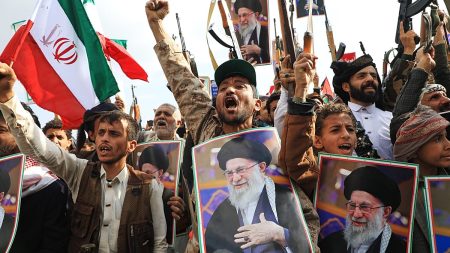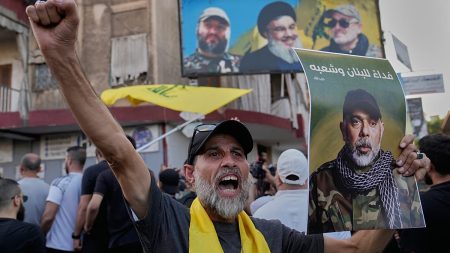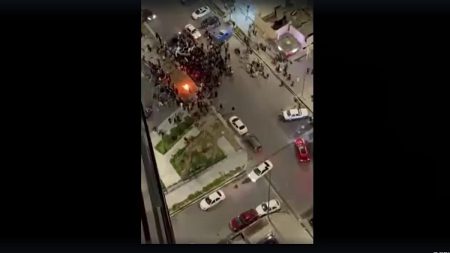





The situation in Iran remains tense as protests continue to grip the nation, fueled by deepening economic hardship and a rising death toll. The unrest, now entering its third week, is drawing international attention, with varying responses from global powers. This article will delve into the latest developments, including the escalating violence, international reactions, and the Iranian government’s response to the ongoing احتجاجات إيران (Iran protests).
تصاعد الاحتجاجات والخسائر البشرية (Escalating Protests and Human Losses)
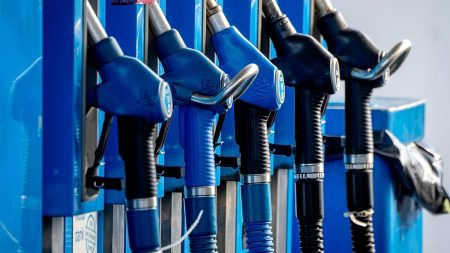
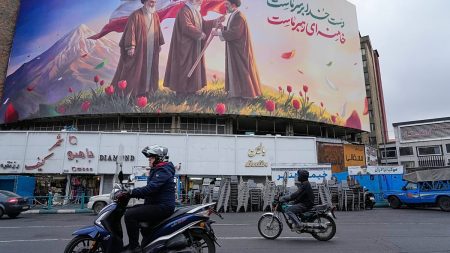
The protests initially erupted in response to rising fuel prices and broader economic grievances, but have since broadened to encompass calls for political change. Demonstrations are reported in numerous cities across the country, despite a heavy security presence and increasingly restrictive measures imposed by the authorities. The economic situation, characterized by high inflation and unemployment, is a key driver of the discontent.
Reports from human rights organizations paint a grim picture of the escalating violence. Iran Human Rights, based in Norway, has documented the deaths of at least 192 people during the protests, a significant increase from previous estimates of 51. This stark rise underscores the severity of the crackdown and the challenges faced by independent observers in verifying information due to widespread internet restrictions. The true number of casualties is feared to be considerably higher, as communication with the affected areas remains severely limited. This lack of transparency is fueling further anger and distrust towards the government.
ردود الفعل الدولية: دعم إسرائيلي ودعوات للتهدئة (International Reactions: Israeli Support and Calls for De-escalation)
The international community has responded to the احتجاجات إيران with a range of reactions. Israel has been particularly vocal in its support for the protesters, viewing the unrest as an opportunity for change within the country.
موقف إسرائيل الداعم (Israel’s Supportive Stance)
Israeli Foreign Minister Gideon Sa’ar publicly expressed his support for the Iranian people in their “struggle for freedom.” In a video message posted on X (formerly Twitter), Sa’ar stated Israel stands with the Iranians and wished them success in their movement. He also called on the European Union to designate the Islamic Revolutionary Guard Corps (IRGC) as a terrorist organization during talks with German Interior Minister Alexander Dobrindt. Sa’ar argued that the time for such a designation is now, given the IRGC’s role in suppressing the protests. This stance reflects Israel’s long-standing concerns about Iran’s regional influence and its nuclear program.
Beyond Israel, many nations and organizations have called for restraint and dialogue. The international community is urging the Iranian government to respect the rights of its citizens to peaceful assembly and to refrain from using excessive force against protesters.
دعوة بابوية للحوار والسلام (Papal Call for Dialogue and Peace)
Pope Francis has also voiced his concern over the escalating tensions in the Middle East, specifically mentioning the violence in Iran and Syria. During his Angelus prayer on Sunday, he called for dialogue and the pursuit of peace in both countries, emphasizing the importance of addressing the root causes of the unrest and working towards solutions that benefit all members of society. He extended his prayers to the people of Ukraine, highlighting the dangers posed by Russian strikes on energy infrastructure, and the resulting hardships for civilians. This plea for peace underscores the broader regional implications of the ongoing instability.
تحذيرات من زعزعة الاستقرار وتهديدات بالرد (Warnings of Instability and Threats of Retaliation)
While acknowledging the unrest, Iranian President Ebrahim Raisi has warned against attempts to destabilize the country, referring to protesters as “rioters.” He urged the Iranian people to trust the government’s commitment to justice and to resist calls for chaos.
However, the rhetoric from other Iranian officials has been more confrontational. Mohammad Bagher Ghalibaf, the Speaker of the Iranian Parliament, threatened to target U.S. military bases and vessels in the region if Iran were to be attacked. He stated that such targets would become “legitimate” in the event of an assault. This escalation in threats raises concerns about a potential widening of the conflict. The situation is further complicated by the ongoing regional tensions and the involvement of various actors. The government is attempting to portray a narrative of restoring order, while simultaneously issuing warnings against external interference.
استمرار حجب الإنترنت وتأثيره (Continued Internet Blocking and its Impact)
A critical aspect of the Iranian government’s response has been the continued and widespread blocking of internet access. NetBlocks, an internet monitoring organization, reported that the internet shutdown began on Thursday and has persisted for over sixty hours. This deliberate disruption of communication is seen as a tactic to suppress the protests, prevent the dissemination of information, and hinder the ability of activists and journalists to document events on the ground.
The internet blackout poses a significant threat to the safety and well-being of Iranian citizens, particularly during a time of crisis. It also makes it more difficult for the international community to assess the situation accurately and provide assistance. The lack of access to information is exacerbating the existing tensions and fueling further distrust. The الوضع في إيران (situation in Iran) is being deliberately obscured.
In conclusion, the احتجاجات إيران represent a critical juncture for the country. The escalating violence, coupled with the government’s crackdown on information and the increasingly assertive rhetoric from Iranian officials, paints a worrying picture. The international community’s response, while varied, underscores the significance of the situation. The future of Iran hinges on the government’s willingness to engage in meaningful dialogue, address the legitimate grievances of its citizens, and respect their fundamental rights. Continued monitoring of the situation and a unified international call for de-escalation and respect for human rights are crucial in the days and weeks ahead.