




The situation in Aleppo is rapidly evolving, placing significant pressure on the Syrian Democratic Forces (قسد) west of the Euphrates River. Recent advancements by the Syrian Army have cut off supply lines and created a precarious position for these forces, particularly within the Sheikh Maqsoud neighborhood. This article will delve into the details of this developing situation, analyzing the strategic implications and potential outcomes, according to military and strategic expert, Brigadier General Fayez Al-Duwairi. Understanding the current dynamics surrounding قسد في حلب (QSD in Aleppo) is crucial for comprehending the broader geopolitical landscape of Syria.
تطورات الوضع الميداني في حلب: حصار لقسد (Developments in the Field Situation in Aleppo: A Siege on QSD)
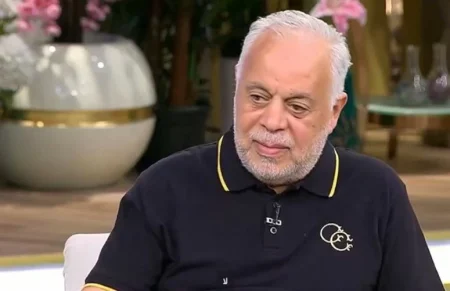
Brigadier General Al-Duwairi highlights the swiftness of the recent changes on the ground. The Syrian Army’s control over strategic axes extending from Deir Hafer, Manbij, and Raqqa to Deir ez-Zor has effectively severed the logistical routes supporting QSD fighters in Sheikh Maqsoud. This isn’t a gradual tightening of control, but a relatively rapid encirclement, a fact Al-Duwairi emphasizes. He notes that such a scenario would typically take months to unfold in conventionally built areas, but the combination of troop size, battle management, and a less-than-robust defensive plan by QSD has accelerated the process.
خيارات قسد المحدودة: بين الاتفاق والانسحاب (QSD’s Limited Options: Between Agreement and Withdrawal)
Faced with complete isolation, QSD is now presented with a difficult choice. Al-Duwairi explains that sustaining combat operations without resupply is unsustainable. The experience of fighters withdrawing from Al-Ashrafiya serves as a stark warning. The options for replenishing supplies are severely limited. Airdrops are considered unrealistic, and attempts to break the siege are deemed unlikely given the Syrian Army’s proactive measures to cut off all strategic routes.
This leaves QSD with a single, viable path: returning to the terms of the March 10th agreement. This agreement, while not explicitly detailed in the provided text, appears to be a pre-existing understanding that could offer a framework for de-escalation and a safe withdrawal. The alternative, a complete military resolution, looms large. The situation demands a logical and pragmatic approach from QSD leadership.
نقاط تمركز قسد في الشيخ مقصود (QSD Strongholds in Sheikh Maqsoud)
Al-Duwairi sheds light on the specific disposition of QSD forces within Sheikh Maqsoud, clarifying they are not uniformly distributed. He identified a preliminary ten points of concentration, with five specifically highlighted as fortified positions. These points aren’t merely defensive structures; they are strategically positioned for initial bombardment, followed by the direction of fire. Elevated areas are also utilized for observation and targeting. Importantly, the Syrian Army has issued warnings to civilians to avoid these areas, recognizing their potential to become targets. This demonstrates a level of caution and adherence to protocols, despite the intensity of the conflict.
خلفية عسكرية لقسد: ارتباطات حزب العمال الكردستاني (Military Background of QSD: Affiliations with the PKK)
The expert points out that the forces within Sheikh Maqsoud aren’t a homogenous military entity. The core of the resistance stems from the Kurdistan Workers’ Party (PKK), with orders originating from the Qandil Mountains in northern Iraqi Kurdistan. This connection is significant, as it highlights the external influences at play in the conflict and the potential for escalation beyond the immediate battlefield. Understanding these affiliations is vital when analyzing the motivations and strategies of قسد في حلب.
سيناريوهات محتملة: من الشيخ مقصود إلى منبج والرقة (Potential Scenarios: From Sheikh Maqsoud to Manbij and Raqqa)
The coming hours are critical in determining the fate of the besieged forces. Al-Duwairi predicts that Sheikh Maqsoud could be resolved by the end of the day, either through a negotiated withdrawal or a decisive military victory for the Syrian Army. He anticipates that success in Sheikh Maqsoud will create momentum, potentially leading to operations targeting Tel Hafer and other areas previously under QSD control. This “domino effect” further reinforces the urgency for QSD to reconsider its position and return to the March 10th agreement. The broader implications for الوضع في شمال سوريا (the situation in northern Syria) are substantial.
أهمية الجسور والمحاور الاستراتيجية (The Importance of Bridges and Strategic Axes)
The Syrian Army’s control over key bridges and strategic axes west of the Euphrates River is a pivotal development. This control not only isolates QSD forces but also provides a platform for further advances. Al-Duwairi believes this will inevitably “roll the ball” towards Tel Hafer and other regions, leaving QSD with increasingly limited options. The strategic importance of these locations cannot be overstated, as they represent critical infrastructure and control points within the region. This control significantly impacts the overall الأمن الإقليمي (regional security).
In conclusion, the situation facing قسد في حلب is increasingly dire. The Syrian Army’s rapid gains and effective encirclement have left QSD with few viable options. A return to the March 10th agreement appears to be the most pragmatic path forward, offering a potential for de-escalation and a safe withdrawal. The coming hours will be decisive, and the outcome will likely have significant repercussions for the broader security landscape of northern Syria. Readers are encouraged to follow developments closely and engage in informed discussion about the future of the region.