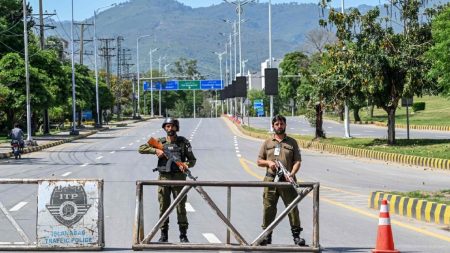





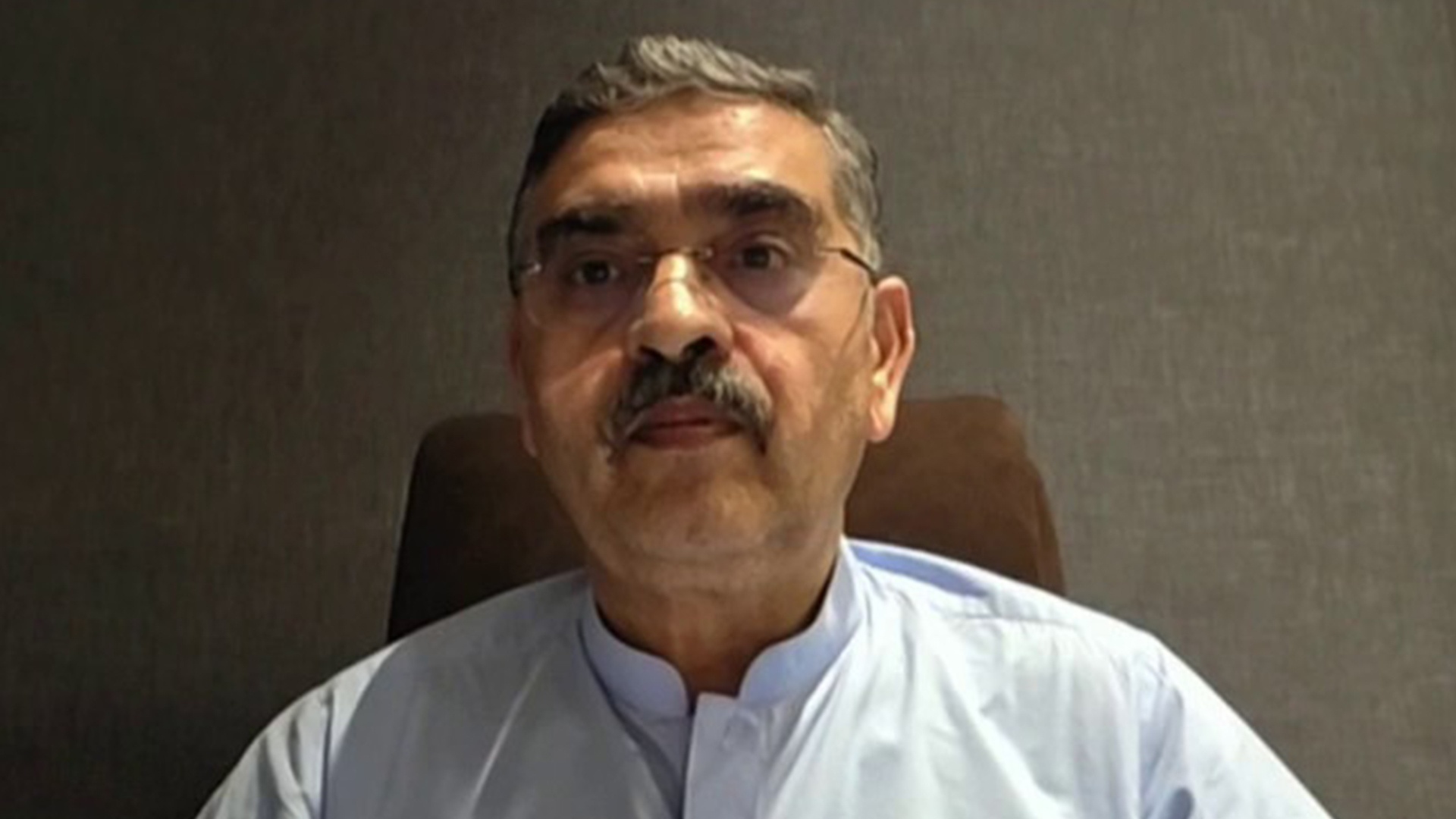
The escalating tensions in the Middle East have reached a critical juncture, with ongoing negotiations between Iran and the United States in Islamabad taking center stage. These talks, described by former Pakistani Prime Minister Anwaar-ul-Haq Kakar as the “challenge of the century,” aim to de-escalate a conflict rooted in decades of mistrust and geopolitical maneuvering. Pakistan is playing a crucial role as a neutral facilitator, striving for a comprehensive agreement that ensures lasting peace in the region. This article delves into the complexities of these Islamabad negotiations, examining the key sticking points, the escalating tensions, and the challenges facing the mediating parties.
The Stakes are High: A Historical Context to the Negotiations
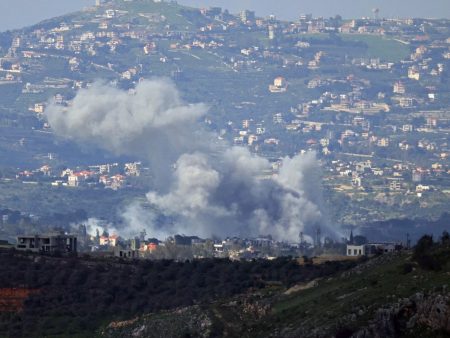
The current diplomatic efforts are built upon a fragile ceasefire, following 40 days of intense conflict sparked by a joint US-Israeli attack on Tehran on February 28th. The roots of this conflict, however, extend far beyond this recent escalation, reaching back over 50 years. Kakar rightly points out that resolving such deeply entrenched issues requires strategic patience and a realistic assessment of the situation. A sustainable solution cannot be achieved through a handful of meetings; it demands a long-term commitment to dialogue and compromise.
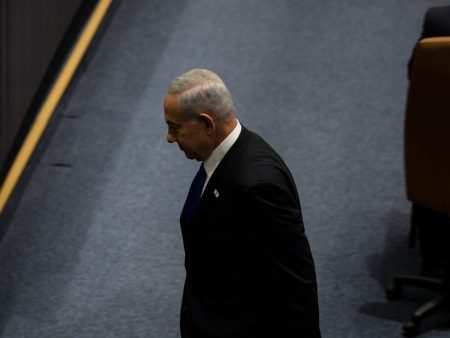
He also emphasized the importance of inclusivity, arguing that any successful settlement must include all relevant parties – Israel, Hezbollah, and Lebanon – to avoid sowing the seeds of future crises. Pakistan’s approach is grounded in its long-standing relationships with all Gulf Arab states, positioning it as a trusted and impartial mediator.
Rising Tensions and Accusations of Bad Faith
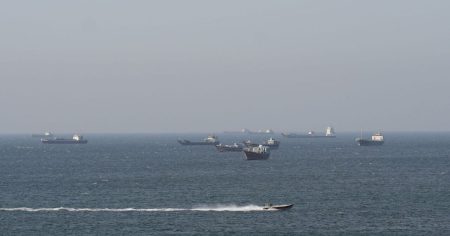
Despite the initial ceasefire, tensions remain dangerously high. Iranian sources, as reported by Al Jazeera, allege a growing “American greed” in the negotiations following the initial stages of talks. Hussein Bak, an Iranian international law expert, revealed that Iranian forces informed the Pakistani mediators of an alleged attempt by a US warship to violate the ceasefire by approaching the Strait of Hormuz without prior coordination.
This incident escalated dramatically when Tehran reportedly threatened to target the warship if it didn’t withdraw within 30 minutes, highlighting the fragility of the truce and the significant gap in perceptions between the US and Iranian accounts. While the US reportedly claimed the vessel simply transited the strait, Iranian naval forces deny any such passage, labeling the US claim as false. This dispute over the Strait of Hormuz has become a central point of contention.
Hormuz as a Bargaining Chip
Adding another layer of complexity, former New York City Councilman Joe Borelli suggests that Washington is strategically leveraging the issue of the Strait of Hormuz as a negotiating tactic. He argues that the US is attempting to assert its right to passage through the internationally recognized waterway, which was previously unobstructed. The deployment of US destroyers, the USS Peterson and USS Murphy, is seen as a demonstration of “peace through strength.”
Borelli believes that Iran will not see its frozen assets unfrozen or sanctions lifted until it allows unimpeded access through the strait and facilitates international navigation. This highlights the economic pressure being applied as part of the broader negotiation strategy. The situation surrounding the regional stability is therefore heavily reliant on resolving this issue.
Lebanon: A Major Obstacle to Progress
Beyond the nuclear program, missile capabilities, and the Strait of Hormuz, the situation in Lebanon remains a significant stumbling block. While Bak believes Washington is exceeding agreed-upon boundaries with its demands regarding Lebanon, Borelli views these demands as a natural component of a comprehensive negotiation. This divergence in perspectives underscores the difficulty of reaching a consensus on this sensitive issue.
The Lebanese question, intertwined with the broader regional dynamics, represents a critical test of the negotiators’ ability to find common ground. Successfully navigating this complex landscape is essential for achieving a lasting resolution.
Pakistan’s Role and the Path Forward
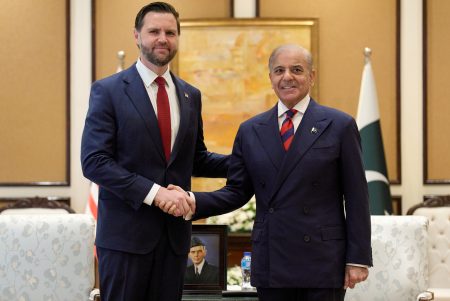
Islamabad finds itself at a crucial juncture, tasked with maintaining a delicate balance between two parties still testing each other’s limits. The detailed negotiations, which commenced on Saturday in Islamabad, are led by high-level delegations from both sides. The US delegation is headed by JD Vance, Deputy to the President, alongside key envoys and military officials, while the Iranian delegation is led by Parliament Speaker Mohammad Bagher Ghalibaf and Foreign Minister Abbas Araqchi.
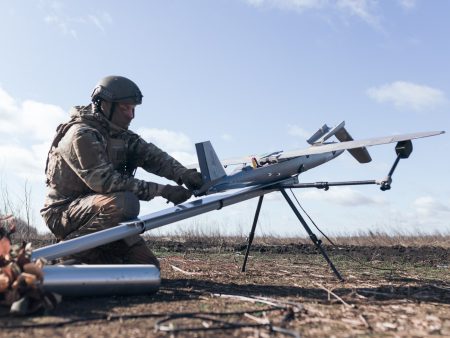
The Islamabad negotiations are focused on four key areas: Iran’s nuclear program, its missile capabilities, the Strait of Hormuz, and the fate of Tehran’s regional allies, particularly Hezbollah. The success of these talks hinges on the willingness of both sides to compromise and address the underlying issues that have fueled decades of conflict.
Ultimately, the path to lasting peace requires a commitment to dialogue, inclusivity, and a realistic understanding of the complexities involved. Pakistan’s role as a neutral facilitator is vital, but the ultimate responsibility for achieving a breakthrough lies with the United States and Iran. The world watches with cautious optimism, hoping that these negotiations will pave the way for a more stable and peaceful future for the Middle East.