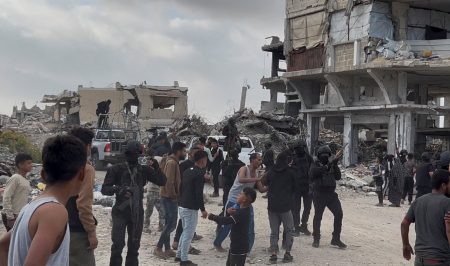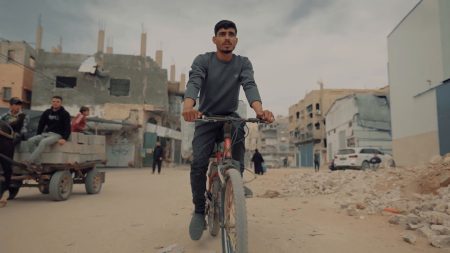






The announcement by the US administration regarding the formation of a Gaza Reconstruction Council and the appointment of a Special Envoy for Gaza has sparked considerable debate and questions, particularly among Palestinians in the Gaza Strip. This development, coinciding with the commencement of operations by the Palestinian technocrat committee tasked with governing the Strip, signals a significant shift in the approach to post-conflict management and has raised concerns about sovereignty and future governance. The core of the discussion revolves around the implications of this new structure for Gaza’s future, and whether it represents genuine assistance or a form of imposed oversight.
تشكيلة مجلس السلام: نظرة على الأسماء والدور المتوقع (The Peace Council Formation: A Look at the Names and Expected Role)
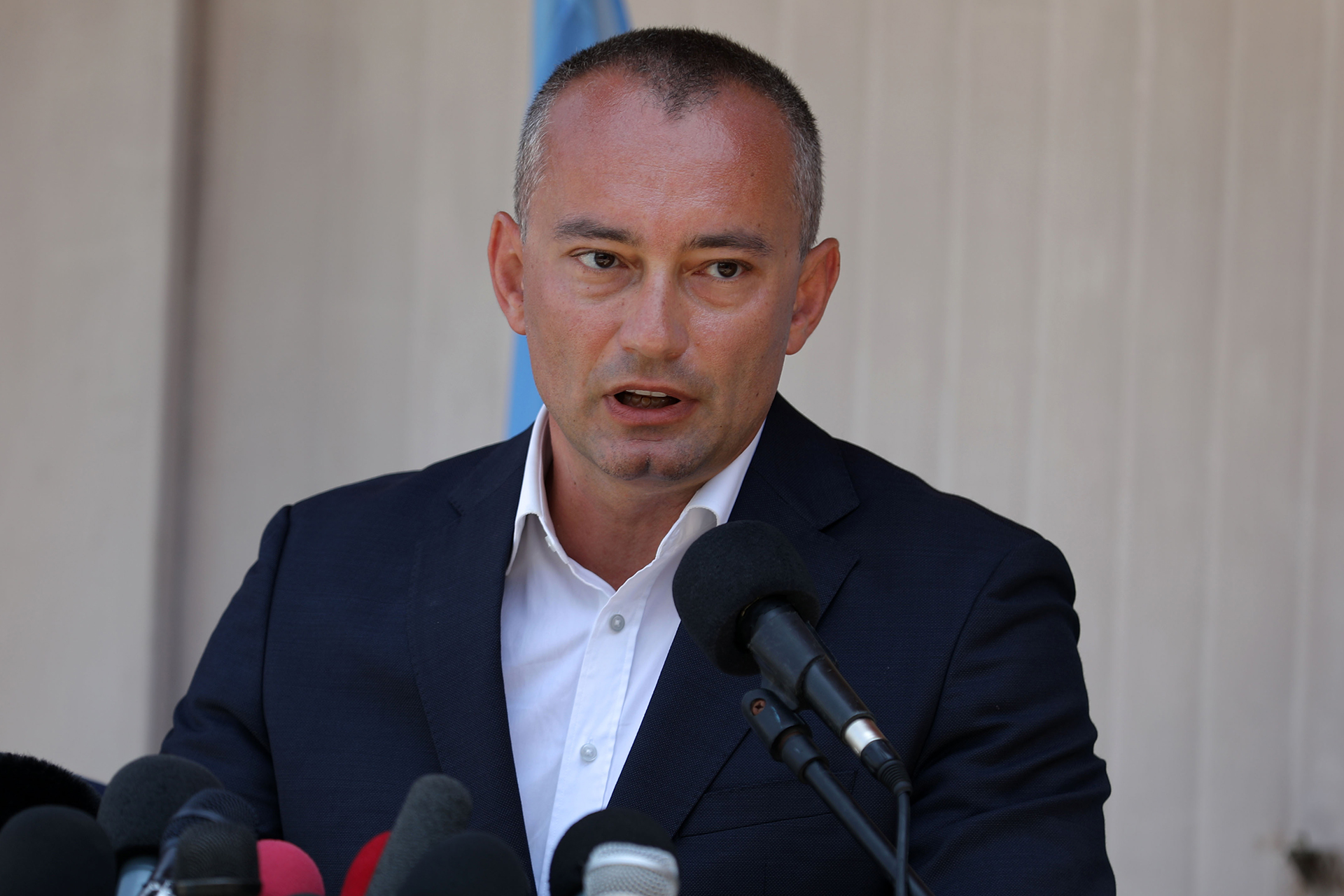
The US administration unveiled a council comprised of prominent figures, including US Secretary of State Marco Rubio, former President Trump’s Special Envoy Steve Witkoff, ex-British Prime Minister Tony Blair, and Jared Kushner, Trump’s son-in-law. Additionally, Ariyeh Lightstone and Josh Greenbaum have been appointed as advisors to the council. Crucially, the appointment of Nikolai Miladinov, a Bulgarian politician and diplomat formerly the UN Special Coordinator for the Middle East Peace Process (2015-2020), as the Special Envoy for Gaza, has drawn particular attention.
The establishment of an Executive Council to support both the Special Envoy’s office and the Palestinian National Administration Committee for Gaza further complicates the picture. General Jasper Jeffers has also been designated as the commander of the International Stability Force. This comprehensive structure, initially revealed late last year alongside a fragile ceasefire agreement, positions Trump to chair the council.
ردود الفعل الفلسطينية: بين التفاؤل والتحفظ (Palestinian Reactions: Between Optimism and Reservation)
Reactions on social media platforms have been markedly divided. Some view these arrangements as a direct American mandate over Gaza, potentially undermining Palestinian self-determination. Others see it as a necessary attempt by the US administration to coordinate efforts between international actors and the Palestinians following the recent hostilities, aiming to ensure effective crisis management and the swift restoration of essential services.
Many commentators highlight the multi-layered approach of the US, utilizing political participation from figures like Rubio, Blair, and Kushner to garner international legitimacy for the post-war plan. Miladinov’s diplomatic role is perceived as crucial for bridging the gap between international frameworks and the realities on the ground. The appointment of a US General to lead the stability force underscores the security-focused aspect of the initiative.
Furthermore, the inclusion of advisors linked to the Abraham Accords suggests an attempt to connect stability efforts in Gaza with broader normalization and economic security initiatives. This could potentially unlock avenues for development projects, but also raises concerns about the political conditions attached to such aid.
دور اللجنة الوطنية لإدارة غزة: التنسيق أم التهميش؟ (The Role of the Palestinian National Administration Committee for Gaza: Coordination or Marginalization?)
A significant concern voiced by activists centers on the potential for these new arrangements to curtail the authority of the Palestinian leadership, specifically the National Administration Committee for Gaza, headed by Dr. Ali Shaath. This committee is responsible for restoring services and rebuilding institutions within the Strip.
However, many also argue that the committee’s role is vital for ensuring effective coordination with international forces, including the US efforts, to guarantee the sustainability of services and prevent a further deterioration of the humanitarian situation. A lack of coordination could lead to administrative vacuums and exacerbate the existing crisis. The success of any reconstruction effort hinges on a strong partnership between the international community and the existing Palestinian governance structures.
مستقبل غزة: إدارة الأزمة أم نموذج حكم جديد؟ (The Future of Gaza: Crisis Management or a New Governance Model?)
The unveiled structure is being interpreted by some as a transitional hybrid governance model designed to manage the crisis effectively, prioritizing security and essential services. Others express apprehension that such a framework could diminish the Palestinians’ capacity for independent political decision-making. The question remains whether this is a temporary measure to stabilize the situation or a blueprint for a long-term shift in governance.
Despite these concerns, some believe the arrangements present an opportunity to overcome the immediate humanitarian crisis in Gaza following the conflict, provided the Palestinian role is respected and local sovereignty is maintained. The key lies in ensuring that the international intervention is genuinely supportive and does not encroach upon the fundamental rights of the Palestinian people.
الخلاصة: بين التحديات والفرص (Conclusion: Between Challenges and Opportunities)
The US administration’s plan for Gaza presents a complex interplay of challenges and opportunities. While the promise of rapid service restoration and stability is welcome, the concerns surrounding Palestinian sovereignty and the potential for external control are legitimate and require careful consideration. The success of this initiative will depend on a delicate balance – a commitment to addressing the immediate humanitarian needs of the population, coupled with a genuine respect for Palestinian self-determination and a collaborative approach that empowers local leadership.
The coming months will be crucial in determining whether this new structure will pave the way for a sustainable and just future for Gaza, or simply perpetuate a cycle of dependency and instability. Continued dialogue, transparency, and a genuine commitment to the needs and aspirations of the Palestinian people are essential to navigate this critical juncture.
Keywords used: Gaza’s future, Gaza, reconstruction.