






The relentless winter storms battering the Gaza Strip have tragically claimed lives and exacerbated the already dire humanitarian crisis. The recent collapse of makeshift shelters, erected by Palestinians displaced by the ongoing conflict, serves as a stark reminder of the vulnerability faced by thousands. This article details the devastating impact of the weather on the displaced population, focusing on the increasing dangers within the overcrowded and damaged areas of Gaza. The situation demands urgent attention and increased aid to protect those seeking refuge from both conflict and the elements. The escalating Gaza winter crisis is pushing the limits of endurance for a population already on the brink.
The Deadly Impact of the Storms on Displaced Palestinians
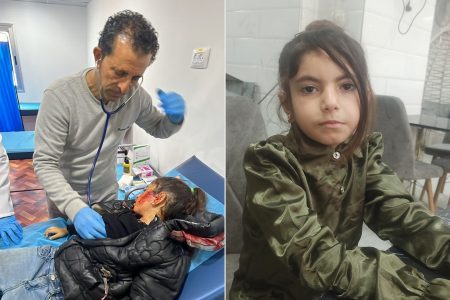
The recent severe weather system, characterized by strong winds and heavy rainfall, has proven fatal for several families in Gaza. The story of Muhammad Hammouda, a 75-year-old man who sought shelter in a dilapidated building near Gaza beach after his home in Jabalya was destroyed, is particularly heartbreaking. His hope for a modicum of safety was shattered when a wall collapsed during the storm, killing him along with his son’s wife and 16-year-old granddaughter.
Musa Asaliya, Hammouda’s son-in-law, recounted the harrowing experience, explaining the difficulty of reaching the victims due to the intensity of the winds. The incident highlights the perilous conditions faced by those forced to live in structurally unsound buildings, a common reality for the displaced. The rescue efforts were hampered by the ongoing storm, illustrating the logistical challenges of providing aid in such circumstances.
Escalating Humanitarian Catastrophe in Gaza
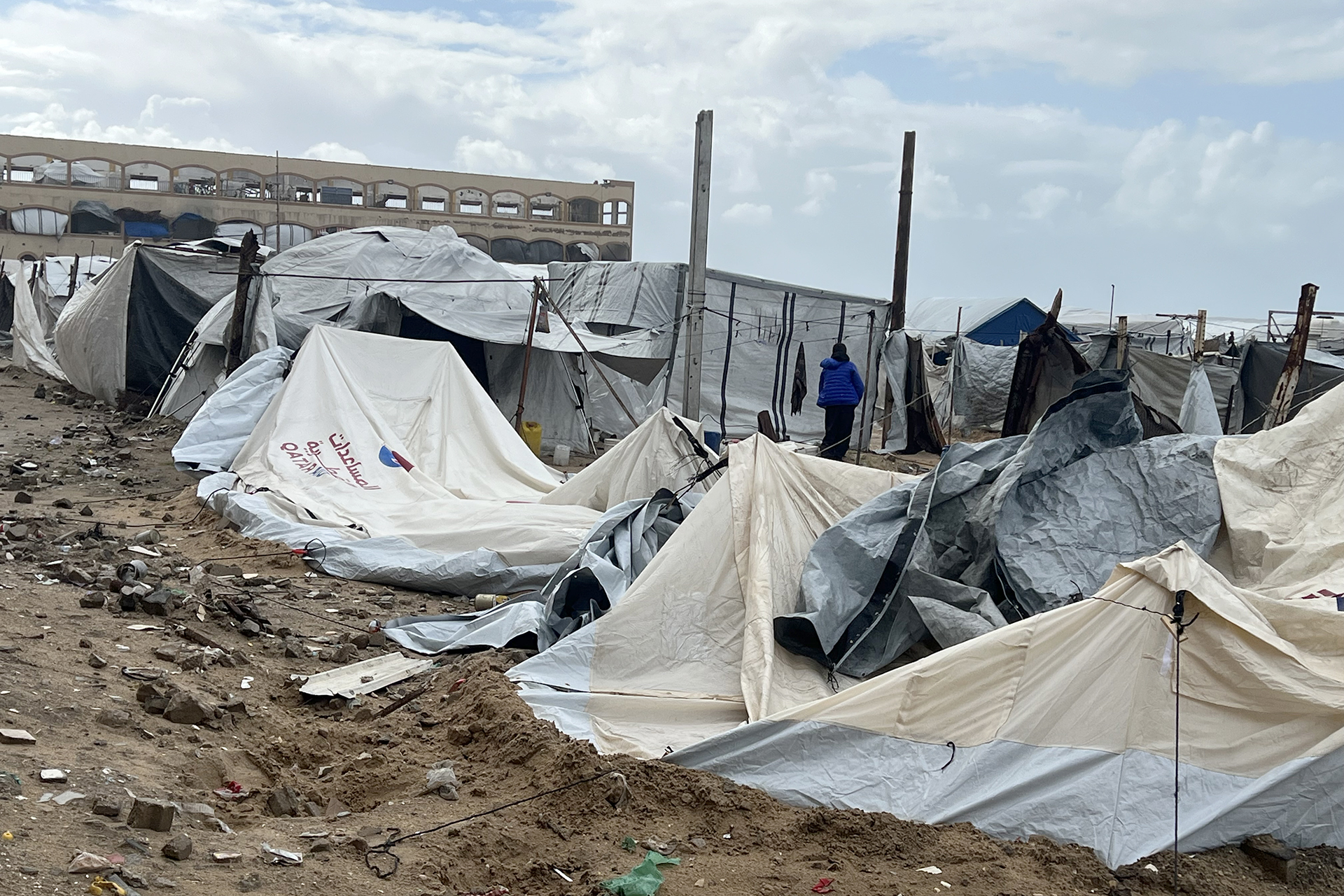
The situation is far from isolated. The Gaza government’s media office reported that five people have died and six others injured due to building collapses and the cold. Tragically, the number of deaths attributed to the cold itself has risen to seven since the beginning of the winter season, while 24 have perished in house collapses. Approximately 7,000 tents have been swept away by the relentless rain and wind, leaving thousands exposed to the harsh weather.
These figures paint a grim picture, indicating a “very dangerous indicator of the escalating humanitarian catastrophe” threatening the most vulnerable populations. The lack of adequate heating, safe shelter, blankets, and winter clothing is compounding the suffering. The sheer scale of displacement and destruction means that even basic necessities are in short supply. The displacement crisis in Gaza is being dramatically worsened by the weather.
Living Amidst the Ruins: A Constant Threat
Tens of thousands of displaced individuals are currently residing amidst rubble and in buildings deemed unsafe. This precarious existence leaves them constantly vulnerable to collapse and further harm. I’tidal Asaliya, a resident near the site of Hammouda’s death, described the fear of a concrete pillar falling near her tent. “Every bit of this could fall on our heads,” she lamented, questioning how they would survive the winter.
The desperation is palpable. Families are forced to move from one damaged structure to another, seeking temporary respite only to find themselves facing the same dangers. The story of Asim Hammouda, supporting a family of eight including a one-year-old infant, is representative. After his tent collapsed, he and his family were forced to seek shelter with relatives, highlighting the strain on already limited resources. The lack of durable emergency shelter in Gaza is a critical issue.
Beyond Housing: Damage to Essential Services
The impact of the storms extends beyond residential shelters. Essential services providing support to the displaced population have also been affected. Hala al-Sharfa reported the collapse of a tent used as an educational center for around 60 children, destroying furniture and rendering it unusable.
This disruption to vital services further exacerbates the challenges faced by the displaced. Education, even in its most basic form, provides a sense of normalcy and hope for children traumatized by the conflict. The destruction of such facilities underscores the comprehensive nature of the crisis. The repeated collapses, like that of the al-Duwalis family’s tent – for the third time – demonstrate the lack of sustainable solutions and the urgent need for more robust assistance. Sondos al-Duwalis, representing four families of widows and orphans, pleaded for help, stating they had received no assistance despite their repeated losses.
The Gaza winter crisis is a multifaceted tragedy, born from conflict and amplified by the unforgiving weather. The stories emerging from Gaza are a desperate plea for international attention and support. Addressing this crisis requires not only immediate humanitarian aid – including shelter, blankets, and heating – but also a long-term commitment to rebuilding Gaza and ensuring the safety and dignity of its people. The international community must act decisively to prevent further loss of life and alleviate the suffering of those caught in this devastating situation.