






The year 2024 ended with Sudan still deeply entrenched in a devastating civil war, a conflict that has brought immense suffering to its people. The situation remains dire, marked by displacement, hardship, and a growing sense of despair, even as cautious optimism surrounds the possibility of a more peaceful 2025. This article examines the key developments of the past year in the السودان حرب (Sudan war), the shifting dynamics on the ground, and the potential paths forward for the nation.
تحولات ميدانية في عام 2024 (Field Transformations in 2024)
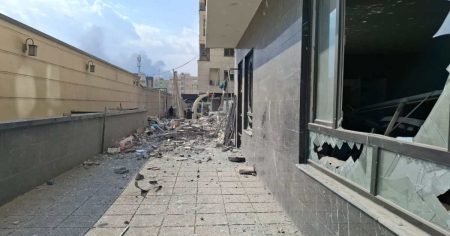
2024 witnessed a significant shift in the control map of Sudan. The conflict evolved from initial skirmishes and power struggles to a more solidified regional control, creating a new administrative and geographical reality. The fighting expanded beyond the capital, Khartoum, impacting the lives of millions across the country.
The military operations resulted in a de facto division of Sudan into two main zones of influence. The Sudanese Armed Forces (SAF) gained control over the northern, central, and eastern states, including the capital, Khartoum. Conversely, the Rapid Support Forces (RSF) established a strong presence in the Darfur region and parts of the three Kordofan states. This geographical split has deepened existing tensions and complicated efforts towards a unified solution.
من الدفاع إلى الهجوم: مكاسب الجيش (From Defense to Offense: The Army’s Gains)
For much of the initial conflict, the SAF adopted a defensive posture. However, over the past six months of 2024, the army transitioned to an offensive strategy, achieving notable gains. A key victory was the recapture of Wad Madani, the capital of Al-Jazeera state, in January 2025, after more than a year under RSF control.
The SAF also successfully pushed back the RSF from significant portions of Khartoum state. Having once controlled over two-thirds of Khartoum, including key sovereign sites like the Presidential Palace and government ministries, the RSF were gradually expelled, with the last armed elements leaving by May 2025. These successes in Khartoum, Al-Jazeera, and Sennar states were attributed to the RSF’s declining morale and logistical challenges. The army also regained control of important areas like Um Rawaba and Al-Rahad, reopening the national highway connecting North Kordofan and White Nile states, and advancing towards cities like Kazgeil, Al-Humadi, and Al-Dubaybat in South Kordofan, aiming to lift the siege on Delinj, the second-largest city in the state.
تصاعد الاتهامات بالتدخل الخارجي (Escalating Accusations of External Interference)
As the أزمة السودان (Sudan crisis) approached its third year, accusations of direct external intervention intensified. Numerous international and regional powers, along with research centers, began to characterize the conflict as a proxy war. The influx of advanced weaponry and a significant number of foreign mercenaries further fueled these concerns. This external involvement poses a serious threat to regional stability, particularly the security of the Red Sea and the Horn of Africa. The increased flow of arms and fighters has prolonged the conflict and exacerbated the humanitarian situation.
الفاشر ونقطة التحول (Fasher and the Turning Point)
A pivotal event in the latter part of 2024 was the RSF’s capture of Fasher, the capital of North Darfur, on October 26th, after a two-year siege. This victory consolidated the RSF’s control over the Darfur region, with the exception of three localities in the north still held by the SAF and forces loyal to the Sudan Liberation Movement led by Abdel Wahid al-Nur.
However, the RSF’s gains in Fasher came at a steep price. The international community strongly condemned the RSF, accusing them of ethnic cleansing following a massacre that claimed over 2,000 civilian lives in just two days, with estimates rising to 15,000 according to regional government sources. The capture of Fasher also emboldened the RSF to advance and seize Babnouza in West Kordofan in early December, leading to the SAF’s withdrawal from the Heglig oil region. This marked West Kordofan as the first state in the Kordofan region to fall entirely under RSF control.
المسيّرات: سلاح الحسم في الحرب (Drones: The Decisive Weapon in the War)
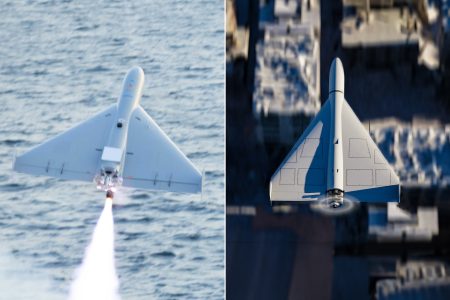
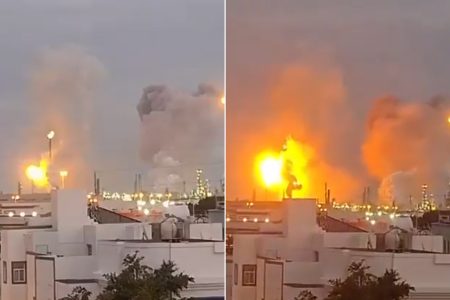
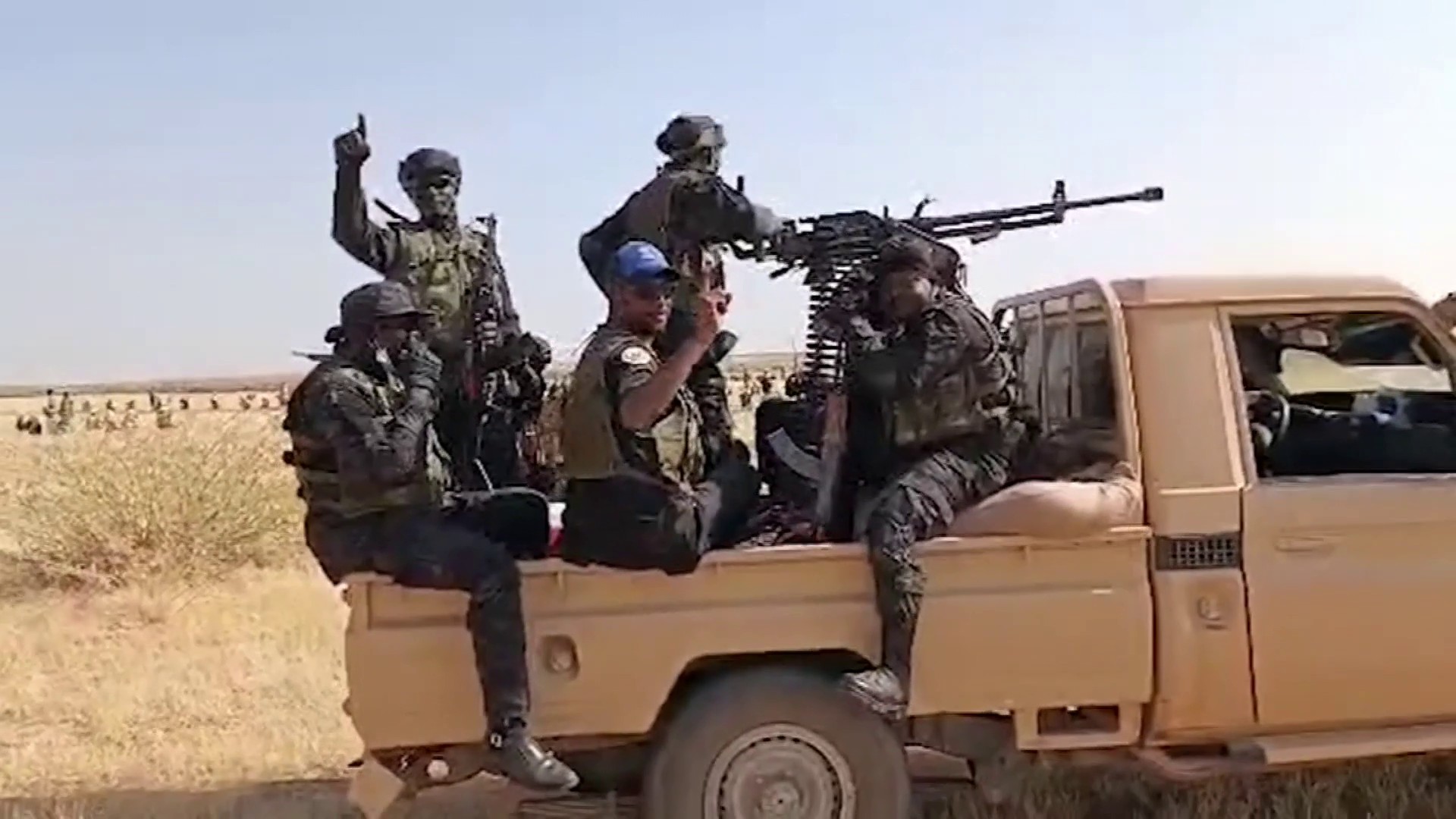
Military operations throughout 2024 highlighted the extensive use of advanced drones by the RSF. This gave them a significant tactical advantage. They also acquired jamming and anti-aircraft systems that neutralized the SAF’s air power in Darfur, even downing military transport planes over Fasher and Babnouza.
Initially, the SAF conducted 280 drone strikes against RSF positions in 2023, while the RSF managed only 10. However, the situation reversed in 2024 and 2025, with the RSF, aided by external support, launching strikes reaching as far as the Red Sea coast. Satellite imagery confirmed the presence of various Chinese-made drones, suggesting potential supply routes through countries with ties to China’s arms industry. Reports also indicated that the RSF received modified drones from Serbia and continued support from the Wagner Group until mid-2024. The RSF even utilized fiber optic guided drones (“fiber optic cable”) with a range of up to 20 kilometers to destroy SAF defenses in Fasher. This rapid technological advancement, facilitated by external support, has significantly altered the battlefield dynamics. The SAF has also acquired new drones, targeting RSF supply lines to Libya and Egypt, forcing them to shift routes through Chad.
سيناريوهات محتملة ومبادرات سياسية (Potential Scenarios and Political Initiatives)
Experts believe that both sides have exhausted their capacity for a decisive military victory. A SAF offensive in Kordofan is anticipated in the coming weeks, aimed at improving their negotiating position, coinciding with renewed international and regional efforts to halt the war. The use of drones is expected to increase, focusing on disrupting the enemy’s movements and preventing territorial gains.
Political efforts to end the war have gained momentum after a period of stagnation following the suspension of Jeddah negotiations in late 2023. The Quad Group (US, Saudi Arabia, Egypt, and UAE) proposed a plan in September 2024 for a three-month humanitarian ceasefire, leading to a permanent cessation of hostilities and a nine-month transitional process towards a civilian-led government. The RSF announced their acceptance of the ceasefire in November, while the Sudanese government submitted its vision to the UN in February, outlining its demands for peace. Recent visits by President Abdel Fattah al-Burhan to Riyadh and Cairo suggest ongoing discussions and potential breakthroughs. The مفاوضات السودان (Sudan negotiations) are crucial for a lasting resolution.
الوضع الإنساني المتردي (The Deteriorating Humanitarian Situation)
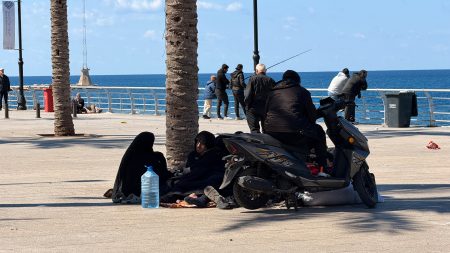
The humanitarian situation in Sudan remains catastrophic. According to the latest UN data, at least 21.2 million people face acute food insecurity. 9.5 million have been internally displaced, and over 4.35 million have fled to neighboring countries. Approximately 10 million children have been deprived of education due to school closures and insecurity. While the number of internally displaced persons has decreased by 19% compared to the peak, and the number of returnees has increased, the overall situation remains deeply concerning.
The year ahead will be critical for Sudan. While the path to peace remains challenging, the renewed political initiatives and the potential for a shift in military strategy offer a glimmer of hope. The international community must continue to exert pressure on all parties to prioritize the needs of the Sudanese people and work towards a sustainable resolution to this devastating conflict.