





The situation in Syria and its potential repercussions are causing increasing concern in Iraq. Recent developments, including the advance of Syrian government forces and reports of escaped ISIS prisoners, have prompted Iraqi authorities to reinforce border security and address public anxieties. This article delves into the evolving dynamics, Iraqi responses, and varying perspectives on the unfolding events, focusing on the Syria-Iraq border and its implications.
تصاعد التوترات: قوات الجيش السوري تصل الحدود مع العراق
The Syrian army has reached the border areas with Iraq following gains in northeastern Syria, leading to a retreat of the Syrian Democratic Forces (SDF) towards their last strongholds in Hasakah and Qamishli. This shift in control has understandably raised alarm bells in Iraq, particularly with news circulating about hundreds of prisoners affiliated with ISIS escaping from al-Shaddadi and Raqqa prisons in Syria. The memories of ISIS’s rapid territorial gains in Iraq during the summer of 2014, and the subsequent three-year occupation, are still fresh in the minds of many Iraqis.
However, the current situation differs significantly from that of 2014, according to Sabah al-Nu’man, the spokesperson for the Iraqi Commander-in-Chief of the Armed Forces. He emphasizes that Iraq is far better prepared to handle any potential spillover.
تعزيز الدفاعات العراقية على الحدود السورية
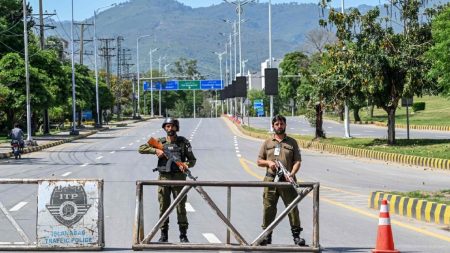
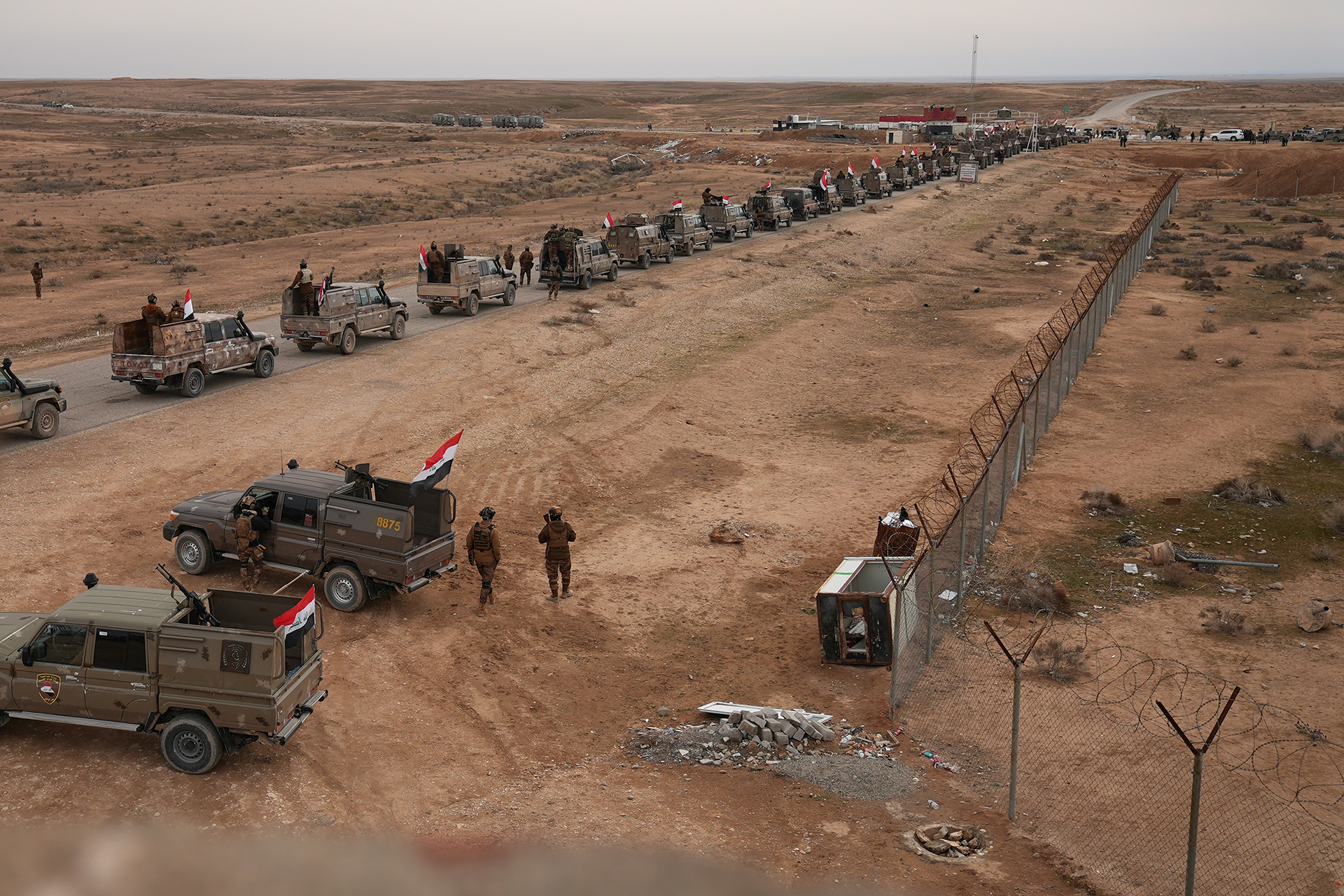
Iraq is actively bolstering its defenses along the Syria-Iraq border. Al-Nu’man confirmed that the construction of a concrete wall, intended to enhance security, is 80% complete. Furthermore, he stated that ISIS fighters apprehended and transferred to Baghdad are individuals wanted in connection with terrorism charges and will be held in high-security prisons.
The Iraqi security apparatus has implemented a multi-layered defense system. This includes the aforementioned concrete wall, barbed wire fences, and a 3-meter deep trench running the length of the border. Hundreds of thermal cameras are deployed across these areas, providing 24/7 surveillance. This comprehensive approach aims to detect and prevent any unauthorized movement or infiltration attempts. The focus is on proactive security measures, a stark contrast to the vulnerabilities exploited by ISIS in 2014.
تقييمات الخبراء: بين الطمأنة والحذر
Security and strategic expert, Fadel Abu Ragheef, offered a reassuring assessment, stating that Iraqi security forces are not overly concerned by the events in Syria. He highlighted the continuous intelligence gathering and aerial surveillance operations, alongside the presence of border guards and the deployment of new Iraqi army units along the shared border. Abu Ragheef attributed the initial public anxiety to sensationalized media coverage, arguing that Iraqi security agencies remain confident in their ability to manage the situation.
Regarding the transfer of approximately 7,000 ISIS prisoners to Iraq, Abu Ragheef believes it’s preferable to have them under Iraqi security control rather than monitoring them remotely. He anticipates that the Iraqi judiciary will prosecute those “whose hands are stained with the blood of Iraqis,” noting that around 3,000 prisoners previously held by the SDF have already been received and processed. This proactive approach to dealing with captured militants is a key component of Iraq’s strategy.
مخاوف مشروعة: السجون المكتظة والذاكرة التاريخية
Political and strategic analyst, Ra’ad Hashem, presented a more nuanced perspective. While acknowledging the enhanced security measures, he pointed out that some Iraqis harbor concerns stemming from a lack of complete trust in the political establishment and doubts about their ability to fulfill security and legal obligations towards the transferred prisoners. Specifically, the issue of prison overcrowding, estimated at 300% by the Ministry of Justice, is a significant worry, evoking memories of the 2013 Abu Ghraib prison break.
Hashem also expressed concern about the rapid pace of events in Syria and the potential for a similar scenario to unfold in Iraq, fueled by skepticism towards US actions in the region. He emphasized the need for a cautious and well-considered approach to managing the situation with Syria, particularly given the legal ambiguities surrounding the prisoners and the possibility of their prolonged stay in Iraq, as suggested by Washington, versus Iraqi assurances of prosecution. The presence of foreign nationals among the prisoners – Europeans, Asians, and Africans – further complicates the matter.
قضية داخلية أم تهديد إقليمي؟
Ihsan al-Shamri, head of the Iraqi Center for Political Thinking, argued that the anxieties within Iraq are largely unwarranted. He views the developments in Syria as an internal matter related to the Syrian government’s efforts to dismantle armed groups not aligned with Damascus. Al-Shamri believes that certain internal factions in Iraq have deliberately exaggerated the risks, drawing parallels to the fall of Mosul in 2014 and previous prison escapes, to advance their own political agendas.
He advocates for enhanced security coordination between Baghdad and Damascus to control the Syria-Iraq border and share intelligence, which could alleviate these concerns. He points to previous security cooperation between Iraq and the Syrian government in the months following the fall of the former Syrian regime.
وجهات نظر سياسية متباينة
Sunni Iraqi politician, Mishaan al-Jubouri, offered a more optimistic outlook on social media platform X, stating that reports of growing concern regarding Syrian control of the border and the escape of ISIS prisoners are largely exaggerated. He clarified that the number of escaped prisoners is only 39 and emphasized that they lack local support, as Iraqi Sunnis will defend their state and political system and reject any external interference. Al-Jubouri expressed his belief that the “new Syria” has no intention of destabilizing Iraq.
In conclusion, the situation along the Syria-Iraq border is complex and multifaceted. While Iraqi authorities are actively reinforcing security measures and downplaying the immediate threat, legitimate concerns remain regarding prison overcrowding, the legal status of transferred prisoners, and the broader regional implications of the evolving dynamics in Syria. Continued vigilance, robust security cooperation, and a nuanced understanding of the situation are crucial for ensuring Iraq’s stability and preventing a resurgence of ISIS. Further monitoring of the border and transparent communication with the Iraqi public will be essential in addressing anxieties and maintaining confidence in the government’s ability to protect its citizens.