





The ongoing situation in Southern Lebanon remains a critical concern, particularly regarding the implementation of UN Security Council Resolution 1701. The primary obstacle to the Lebanese Army’s ability to fully assume responsibility for weapons control in the designated areas, as outlined in the resolution, is the continued Israeli occupation of key points within Lebanese territory. This article will delve into the complexities of this situation, the challenges facing the Lebanese Army, and the diplomatic efforts underway to prevent a full-scale escalation. The focus will be on the الوضع في جنوب لبنان (Situation in South Lebanon) as the main keyword.
الاحتلال الإسرائيلي يعرقل نزع السلاح في الجنوب (Israeli Occupation Hinders Disarmament in the South)
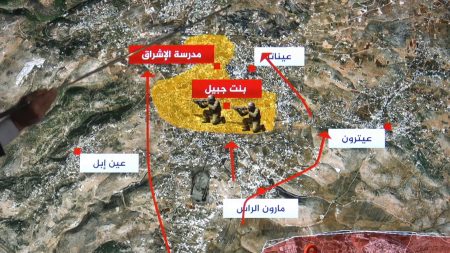
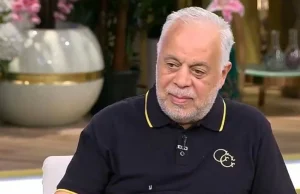
According to Brigadier General Hassan Jouni, a military expert, the continued presence of Israeli forces in five strategic locations – اللبونة (Lubna), جبل بلاط (Jabal Blaat), جل الدير (Jal al-Deir), الدواوير (Dawair), and تل الحمامص (Tell al-Hammas) – is directly impeding the Lebanese Army’s progress in fulfilling its mandate under Resolution 1701. This resolution called for a comprehensive ceasefire and the withdrawal of Israeli forces from Southern Lebanon, allowing for the establishment of Lebanese authority throughout the region.
However, Israel maintains complete control over Lebanese airspace, further complicating the situation and hindering the Army’s operational capabilities. The complete realization of the Army’s mission to control weapons, meant to be finalized by the end of this year, is therefore contingent on a resolution of the occupation issue. The الوضع في جنوب لبنان is inextricably linked to this ongoing military presence.
تحديات تواجه الجيش اللبناني (Challenges Facing the Lebanese Army)
Beyond the physical occupation of territory, the Lebanese Army faces several significant challenges in its efforts to secure the South and enforce the arms restrictions. General Jouni highlights a critical shortage of equipment specifically designed for mine detection and disposal. This is particularly concerning given the extensive presence of landmines and unexploded ordnance left over from previous conflicts.
Furthermore, the Army suffers from limited financial resources, a lack of advanced fighting equipment, and insufficient surveillance technology, including capabilities for tunnel detection. These deficiencies undermine its ability to effectively patrol the border area and maintain security. Effectively controlling the الوضع في جنوب لبنان requires overcoming these logistical and resource hurdles.
جدار يارون ومارون الراس: طبيعة الوجود الإسرائيلي (The Yaroun and Maroun el-Ras Wall: The Nature of the Israeli Presence)
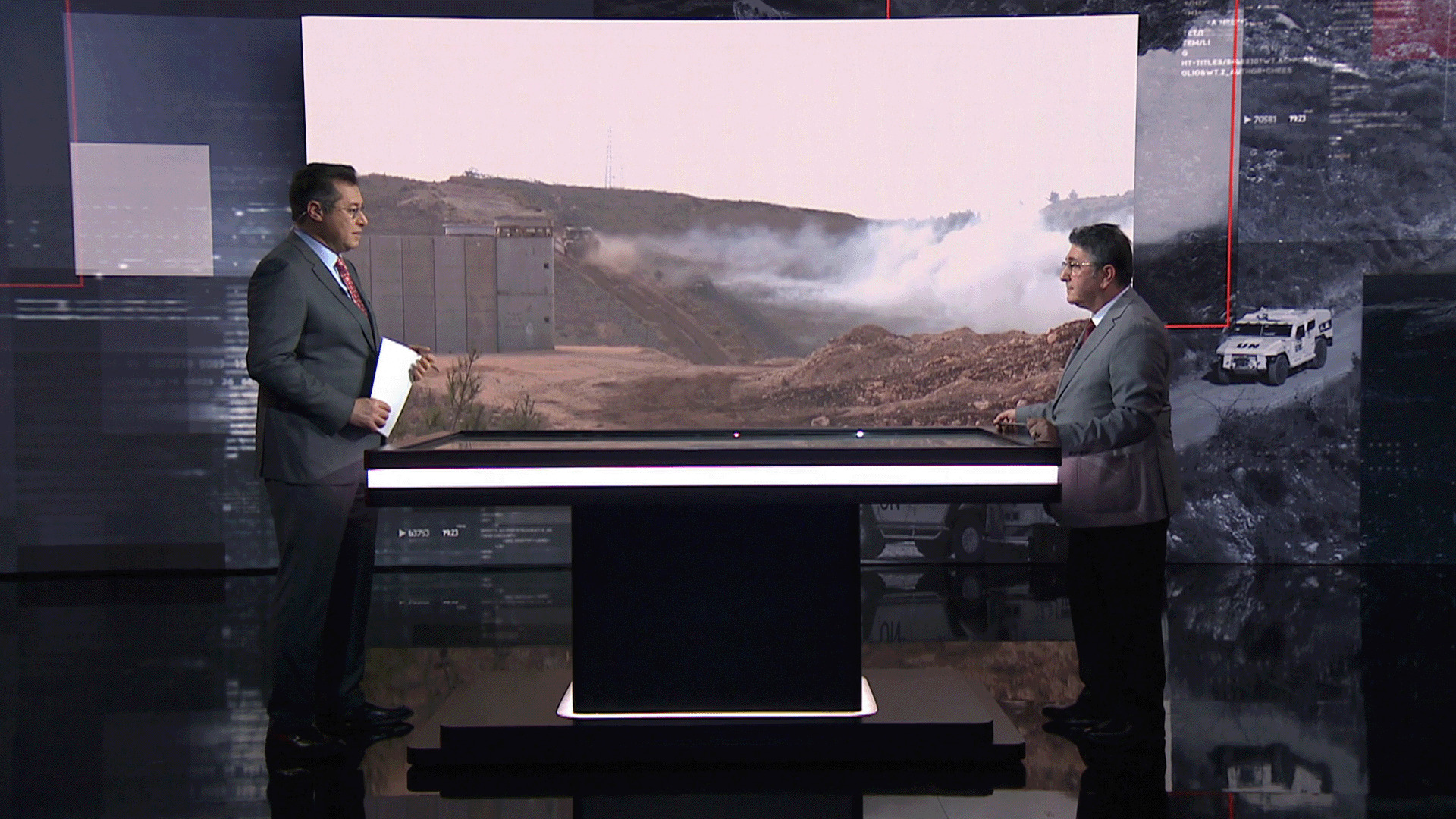
Israel has constructed a border wall in the areas of يارون (Yaroun) and مارون الراس (Maroun el-Ras). While some perceive this as a strategic attempt to permanently alter the border, General Jouni believes its purpose is more operational and likely temporary. He suggests the wall is currently linked to specific security needs, rather than an indication of long-term, strategic intentions. This assessment is vital in understanding the nuances of the الوضع في جنوب لبنان.
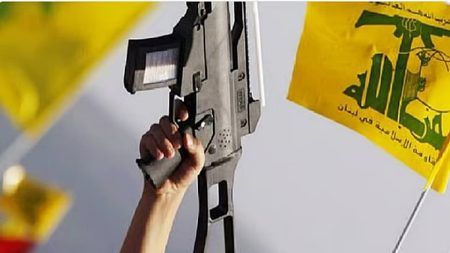
Throughout the past year, Israel has demonstrably failed to adhere to the terms of the ceasefire agreement, repeatedly justifying its actions through alleged security concerns. Despite the commitment of Hezbollah to the terms of the agreement, Israel has launched hundreds of violations, resulting in the deaths of several Hezbollah military leaders and targeting numerous civilian locations under the pretext of weapons storage or use by the party.
تحركات دبلوماسية لتجنب التصعيد (Diplomatic Efforts to Avoid Escalation)
With growing fears that the agreement may entirely collapse, especially given Israel’s consistent threats of a large-scale military operation aimed at disarming Hezbollah – a task the Lebanese government is accused of failing to accomplish – diplomatic efforts are intensifying to de-escalate the situation.
Recent reports indicate a potential increase in the level of Israeli participation in direct negotiations with Lebanon, taking place at رأس الناقورة (Ras al-Naqoura). Sources report that Yossi Draznin, Deputy Head of the Israeli National Security Council, will be present at today’s meeting, alongside Lebanese and American envoys.
While officially presented as focusing on economic cooperation along the border, the true objective of these talks is to prevent the resumption of hostilities. These negotiations are crucial for stabilizing the الوضع في جنوب لبنان and averting further conflict.
دعم الجيش اللبناني: اجتماع باريس (Supporting the Lebanese Army: The Paris Meeting)
Parallel to the talks in رأس الناقورة, a significant diplomatic initiative occurred in Paris. A meeting convened officials from France, the United States, and Saudi Arabia to discuss bolstering support for the Lebanese Army.
During the meeting, Lebanese Army Commander General Rudolf Hekl emphasized the Army’s dedication to securing Lebanon and implementing the first phase of the arms control plan within the established timeframe. He presented the progress made in implementing the plan and outlined the Army’s “needs” to continue this work, noting a consensus on the importance of documenting this progress and establishing a mechanism for monitoring the ceasefire. Strengthening the Army is key to ultimately controlling the الوضع في جنوب لبنان. This also highlights the importance of دعم الجيش اللبناني (Supporting the Lebanese Army) as a secondary keyword.
الخلاصة (Conclusion)
The الوضع في جنوب لبنان remains fragile and precarious. The continued Israeli occupation, coupled with the lack of adequate resources for the Lebanese Army, poses a significant obstacle to achieving lasting peace and security. The ongoing diplomatic efforts, including the negotiations at رأس الناقورة and the discussions in Paris, offer a glimmer of hope for de-escalation and a return to compliance with UN Resolution 1701. However, lasting stability will require a genuine commitment from all parties to address the root causes of the conflict and allow the Lebanese Army to fully exercise its sovereign authority throughout Southern Lebanon. Readers are encouraged to stay informed about developments in the region and to advocate for peaceful resolutions that respect the sovereignty and security of Lebanon. Further information on regional conflicts can be found at [insert reliable news source link here – consider Al Jazeera, Reuters, Associated Press arabic versions].